Emerging Approaches in Healthcare
Cheatsheet Content
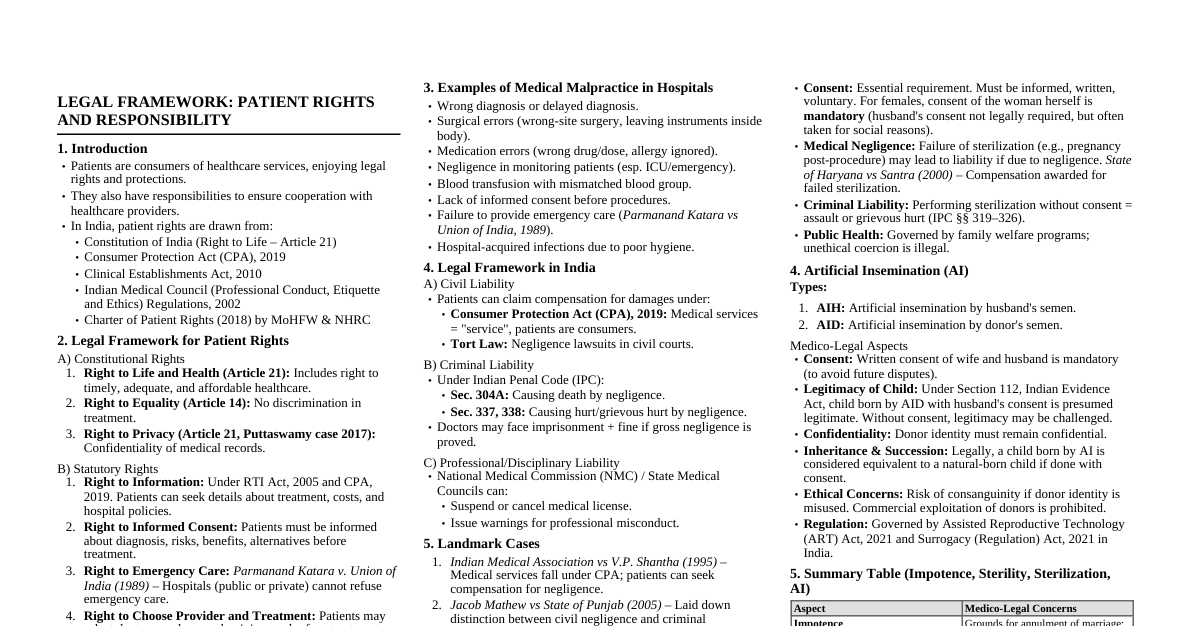
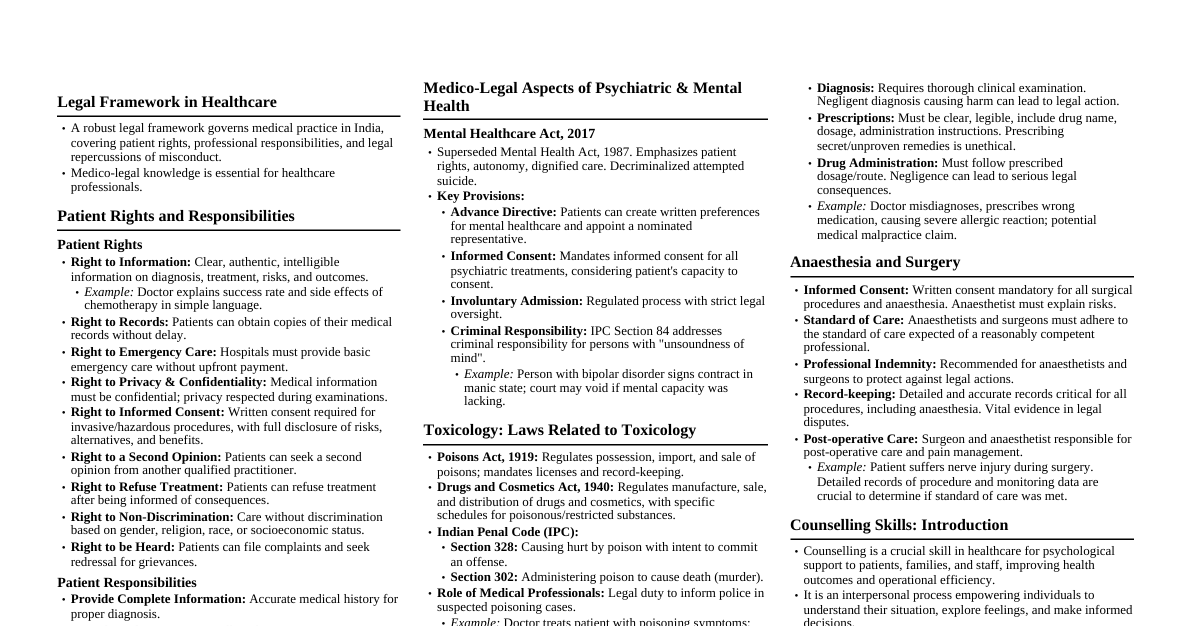
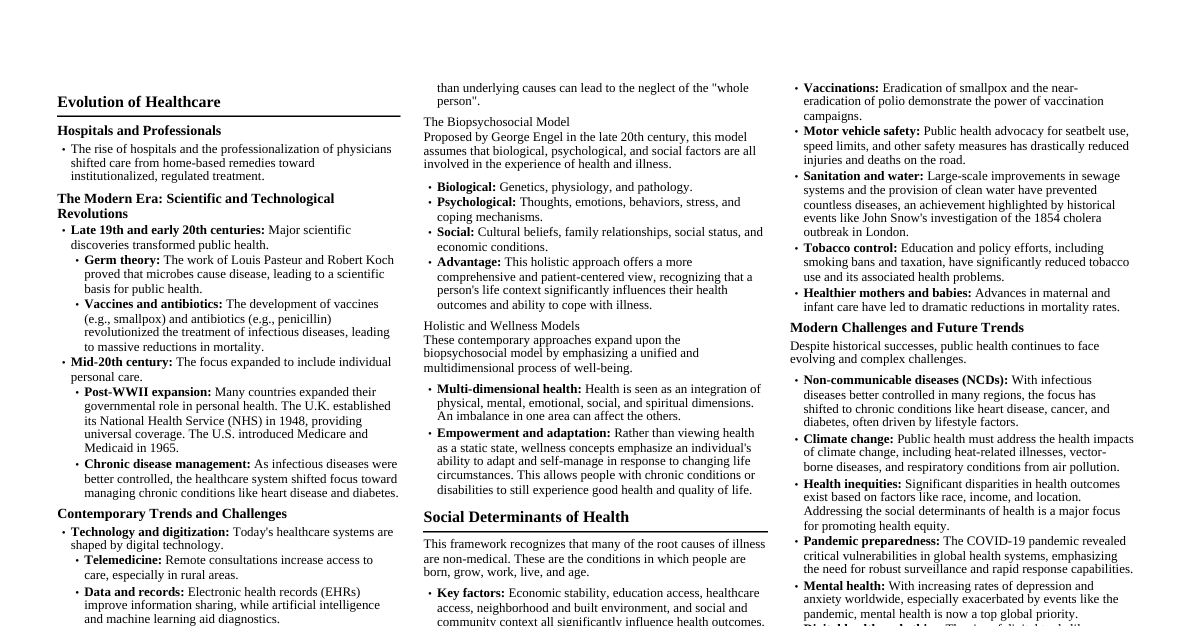
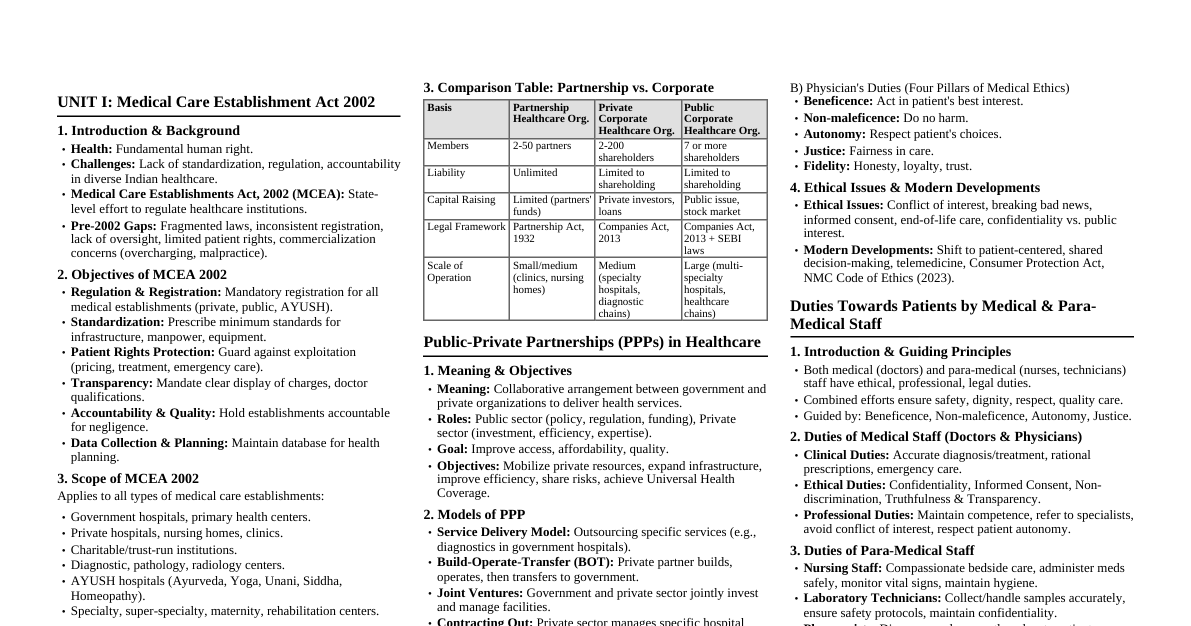
Emerging Approaches in Healthcare Healthcare is rapidly transforming due to technology, patient expectations, policy reforms, and an emphasis on quality, accessibility, and cost-effectiveness. New approaches aim for a patient-centered, predictive, preventive, participatory, and personalized healthcare ecosystem. 1. Digital Health Transformation Integrates technology with healthcare delivery to improve efficiency, reach, and outcomes. Telemedicine & Telehealth: Remote consultations via video/audio. Useful in rural areas, chronic disease follow-up, mental health counseling. Facilitates continuity of care. mHealth (Mobile Health): Mobile apps for monitoring vitals, medication reminders, fitness tracking. Helps patients self-manage chronic conditions (e.g., diabetes, hypertension). AI & Machine Learning: Used for early disease detection (e.g., cancer, stroke prediction). Automated image analysis in radiology, pathology. Clinical decision support systems for diagnosis and treatment planning. Electronic Health Records (EHRs): Integrated patient data accessible across hospitals. Reduces duplication, improves coordination and safety. 2. Precision Medicine / Personalized Medicine A shift from "one-size-fits-all" to individual-specific care. Key Features: Uses genetic, lifestyle, and environmental data. Enables customized treatment strategies. Important in oncology (targeted therapy), rare diseases, and pharmacogenomics. Benefits: Improved treatment response. Reduced adverse drug reactions. Better disease prevention through genetic risk profiling. 3. Genomics, Proteomics & Biotechnology Advancements Gene Editing (CRISPR-Cas9): Potential to cure genetic disorders. Gene Therapy: Delivering functional genes to replace defective ones (e.g., hemophilia, retinal dystrophy). Synthetic Biology: Development of engineered biological systems, new vaccines, and biologics. 4. Regenerative Medicine Deals with repairing or replacing damaged tissues and organs. Components: Stem cell therapy, tissue engineering, 3D bioprinting of organs and tissues. Applications: Burn and wound healing, orthopedic repairs, neuro-regeneration research. 5. Wearable and Remote Monitoring Technologies Examples: Smartwatch ECG, SpO2, heart rate monitoring, continuous glucose monitors, wearable patches. Benefits: Real-time monitoring reduces hospital visits, enables early detection, supports home-based care. 6. Robotics in Healthcare Surgical Robots (Da Vinci system): High precision, minimally invasive procedures, reduced recovery time. Assistive Robots: Support elderly and disabled patients, rehabilitation robots. Logistics Robots: Automated medication delivery, reduces human error. 7. Big Data & Predictive Analytics Uses large-scale health data to generate insights. Applications: Forecasting disease outbreaks, predicting patient admissions, identifying high-risk individuals. Benefits: Improved healthcare planning, personalized risk-based interventions. 8. Internet of Medical Things (IoMT) Network of connected medical devices. Examples: Smart infusion pumps, connected inhalers, remote pacemakers. Advantages: Continuous patient data flow, improved accuracy/safety, proactive care. 9. Value-Based Healthcare Shift from volume-based to value-based care, emphasizing outcomes and cost-effectiveness. Key Concepts: Patient-centered outcomes, hospital performance indicators, cost-quality balance, accountability. 10. Holistic & Integrative Healthcare Combines conventional medicine with alternative therapies. Examples: Ayurveda, Yoga, Naturopathy, Homeopathy, meditation, mindfulness. Focus Areas: Lifestyle disease prevention, mental health, and emotional well-being. 11. Virtual Reality (VR) & Augmented Reality (AR) Applications: Surgical training, simulation, phobia/PTSD treatment, pain management, patient education. 12. Green and Sustainable Healthcare Growing emphasis on environmental responsibility. Trends: Energy-efficient hospitals, biomedical waste reduction, eco-friendly manufacturing. 13. Home-Based & Community-Based Healthcare Home ICUs, home dialysis, community health workers. Reduces hospital load, supports personalized care. 14. Blockchain in Healthcare Uses: Secure patient data sharing, fraud prevention, drug supply chain transparency. 15. Recent Trends in Healthcare (Summary) AI-driven diagnostics and automation, Digital therapeutics (DTx). Point-of-care testing, portable diagnostic devices, Cloud healthcare systems. Smart hospitals, Universal Health Coverage (UHC), mental health/well-being. Biosensors and nanotechnology. Related Ethical and Legal Issues Healthcare's sensitive nature necessitates a strong ethical and legal framework. Modern advancements bring new concerns. 1. Ethical Issues in Healthcare 1.1 Patient Autonomy: Right to make informed decisions, informed consent. Ethical dilemmas: unconscious patients, lack of decision-making capacity, conflict with family wishes. 1.2 Beneficence and Non-Maleficence: Duty to do good and avoid harm. Ethical challenges: end-of-life care decisions, risk-benefit balancing in new therapies, overuse of diagnostic tech. 1.3 Confidentiality and Privacy: Patient data protection. Ethical dilemmas: data sharing across EHRs, telemedicine confidentiality, genetic information privacy. 1.4 Justice: Fair distribution of healthcare resources. Ethical issues: allocation of ICU beds/ventilators, healthcare inequalities, access to life-saving drugs. 1.5 End-of-Life Ethical Issues: Euthanasia, physician-assisted death, withdrawal of life support, advanced directives, organ donation. 1.6 Ethical Issues in Research: Use of human subjects, placebo-controlled trials, ethical use of animals, voluntariness, avoiding exploitation. 1.7 Ethical Issues in Genetic and Biotechnological Advances: Gene editing ("designer babies"), genetic testing privacy, stem cell research controversies, cloning. 1.8 Ethical Issues in AI and Digital Health: Algorithm bias, AI replacing clinical judgment, transparency/explainability of AI, liability for incorrect predictions, patient-generated data use. 1.9 Ethical Issues in Pharmacy: Drug pricing/affordability, promotion of new drugs, conflict of interest, dispensing errors. 2. Legal Issues in Healthcare 2.1 Medical Negligence and Malpractice: Legal liability: breach of duty of care, patient damage/injury (e.g., wrong surgery, drug dispensation, hospital-acquired infections). Important Acts: Consumer Protection Act 2019, Indian Penal Code sections. 2.2 Legal Issues in Patient Rights: Right to informed consent, confidentiality, emergency care, dignity, access to medical records. 2.3 Legal Issues in Medical Records and Data Protection: Telemedicine and EHR require strong data protection. Issues: cybersecurity breaches, unauthorized data sharing, misuse of genetic data. India's Digital Personal Data Protection Act (DPDPA). 2.4 Legal Regulations in Pharmacy: Drugs and Cosmetics Act, Pharmacy Act, Poisons Act, Narcotic Drugs and Psychotropic Substances Act, Drug Price Control Order. Legal challenges: misbranding, unethical promotion, illegal sales, online pharmacy issues. 2.5 Legal Issues in Biotechnology and Genetics: Need for regulation of gene-editing, patent issues, human DNA sampling, stem cell therapy rules. 2.6 Legal Issues in Medical Devices: Medical Device Rules (MDR) 2017, safety/quality certification, post-market surveillance. Issues: device malfunction, faulty implants, liability disputes. 2.7 Telemedicine Legal Issues: Governed by Telemedicine Practice Guidelines (2020). Issues: authentication of tele-prescriptions, consent in virtual consultations, jurisdiction problems. 2.8 Legal Issues in Clinical Trials: Registration with DCGI & CTRI, compensation for injury, ethical committee approval. 2.9 Health Insurance Legal Issues: IRDAI regulations, fraudulent claims, denial of legitimate claims, misinterpretation of policy terms, rights of insured persons. 2.10 Public Health Law Issues: Quarantine, isolation, pandemic laws, vaccination laws, food safety, environmental health laws. Contracting in Healthcare Formal process where healthcare entities agree to deliver services under defined terms. Used in hospital management, public-private partnerships, insurance-based care, and outsourcing. Helps improve efficiency, expand service coverage, reduce cost, utilize specialized skills, and increase accountability. 1. Meaning of Healthcare Contracting A legally binding agreement setting obligations, responsibilities, deliverables, service quality, timelines, and payment terms. Examples: Hospitals with diagnostic labs, government contracting NGOs, insurance companies with hospitals, outsourcing housekeeping/laundry. 2. Objectives of Contracting in Healthcare To improve access to healthcare services. To reduce operational costs. To enhance efficiency. To ensure quality assurance. To fill gaps where public systems lack capacity. To increase accountability and transparency. To strengthen public-private partnerships (PPP). 3. Types of Healthcare Contracting 1. Service Contracts: Outsourcing non-clinical services (e.g., housekeeping, security). 2. Clinical Service Contracts: For specialized clinical care (e.g., radiology, dialysis, medical specialists). 3. Public-Private Partnerships (PPP): Government collaborates with private providers (e.g., 108 Ambulance, Janani Suraksha Yojana). 4. Insurance Contracting: Between insurers and hospitals (e.g., Ayushman Bharat, ESI, CGHS). 5. Procurement Contracts: Buying medical supplies, drugs, equipment. 6. Employment/Consultant Contracts: Hiring doctors, nurses, technicians. 4. Key Elements of a Healthcare Contract 1. Scope of Work: Detailed description of services, deliverables, performance outcomes. 2. Duration of Contract: Start/end date, renewal conditions. 3. Payment Terms: Fixed rate, per-case, capitation, incentives/penalties, billing rules. 4. Quality Standards: Minimum service norms, accreditation requirements (NABH/NABL), clinical guidelines. 5. Monitoring and Evaluation: Audits, performance indicators, reporting mechanisms. 6. Legal and Regulatory Compliance: Labour laws, biomedical waste rules, Drugs and Cosmetics Act, professional licensing. 7. Termination Clause: Conditions for cancellation, liability, penalties. 8. Dispute Resolution: Arbitration, mediation, legal jurisdiction. 5. Advantages of Contracting in Healthcare 1. Improved Efficiency: Specialized expertise and technology. 2. Cost-Effectiveness: Reduces capital expenditure and administrative burden. 3. Better Quality of Care: Standardized service delivery, measurable outcomes. 4. Increased Access: Useful in underserved/rural areas. 5. Flexibility: Scaling services based on performance. 6. Disadvantages / Challenges 1. Quality Variability: Private providers may compromise quality/safety. 2. Monitoring Issues: Weak oversight. 3. Higher Long-Term Costs: Private partners may demand higher payments. 4. Conflict of Interest: Profit motives overshadow patient-centered care. 5. Administrative Burden: Complex contract management. 7. Contracting Models Used in India 1. Management Contracts: Private parties manage PHCs/CHCs. 2. Service Delivery Contracts: Outsourced diagnostic centers. 3. Contracting NGOs & Voluntary Organizations: Under RNTCP (TB), HIV/AIDS, maternal/child health programs. 4. Health Insurance Contracts: Ayushman Bharat packages, reimbursement rates. 5. Emergency Response Contracts: PPP for 108/102 ambulance services. 8. Legal Considerations in Healthcare Contracting Must comply with Indian Contract Act, 1872. Adherence to healthcare laws (Clinical Establishment Act, Bio-medical Waste Management Rules, Drugs & Cosmetics Act, Labour regulations, Medical Council regulations). Liability for negligence must be clearly defined. Ethical transparency and patient safety must be prioritized. 9. Conclusion (Contracting) Essential strategy for improving efficiency, expanding coverage, and better health outcomes. Requires clear roles, monitoring, and legal safeguards to avoid quality issues, inequities, and financial risks. Effective Media Communication Use of various mass media channels to disseminate information to the public in healthcare. Plays a vital role in educating people, influencing behavior, shaping public opinion, and promoting health awareness. Ensures messages reach the right audience in a clear, timely, and understandable manner, aiding disease prevention, emergency response, and public welfare. 1. Meaning and Importance Delivering accurate, timely, clear, and culturally appropriate information through suitable media channels. Importance in Healthcare: Spreads awareness, supports health campaigns (vaccination, sanitation), aids emergency communication, reduces rumors/myths, encourages community participation, builds trust. 2. Principles of Effective Media Communication 1. Accuracy: Information must be true, factual, evidence-based, and verified. 2. Clarity: Simple language, short sentences, clear messages. 3. Timeliness: Provide information at the right time (e.g., during outbreaks). 4. Audience-Centered Approach: Understand age, literacy, culture, values, beliefs, media preference; tailor messages. 5. Consistency: Maintain uniform messaging across platforms. 6. Transparency: Honest communication builds public trust. 7. Cultural Sensitivity: Respect local norms, language, customs. 8. Engagement: Encourage feedback, queries, participation. 3. Media Channels Used in Health Communication 1. Traditional Media: a) Television: Wide reach, visual impact, useful for health campaigns. b) Radio: Effective for rural populations, disaster communication. c) Newspapers/Magazines: Detailed information, health articles, public notices. d) Outdoor Media: Posters, banners, hoardings, IEC materials. 2. Digital and Social Media: a) Social Media Platforms: Facebook, Instagram, X (Twitter), YouTube; fastest way to reach youth, bidirectional communication. b) Mobile Messaging: SMS alerts, WhatsApp campaigns, mobile health applications. c) Websites and Portals: Government health portals (MoHFW, WHO), authentic guidelines and updates. 3. Community-Based Media: Street plays (Nukkad Natak), community radio, village meetings, health workers using posters/flip charts (vital for low-literacy populations). 4. Steps in Effective Media Communication 1. Identify the Objective: Disease prevention, behavioral change, awareness creation, emergency warning. 2. Define Target Audience: Age, gender, location, educational level, cultural background. 3. Select Appropriate Media Channel: Based on reach, cost, literacy, urgency. 4. Develop Message: Clear, concise, actionable, use visuals, avoid technical jargon. 5. Pre-test the Message: Pilot testing, feedback, and refinement. 6. Dissemination: Multi-channel strategy, scheduling (peak hours, festivals). 7. Monitor and Evaluate: Track reach, engagement, behavior change, modify strategies. 5. Applications in Public Health 1. Epidemic Outbreak Communication: COVID-19 advisories, preventive measures, vaccination updates. 2. National Health Programs: Pulse Polio, Mission Indradhanush, TB elimination campaigns, HIV/AIDS awareness. 3. Disaster Management: Early warnings, safety instructions, relief updates. 4. Behavioral Change Communication (BCC): Anti-smoking campaigns, nutrition/sanitation education, family planning awareness. 6. Barriers to Effective Media Communication Misinformation on social media, language/literacy barriers, cultural resistance, misinterpretation of technical terms, limited access to technology in rural areas. 7. Strategies to Improve Media Communication Use local languages, involve influencers, create user-friendly content, strengthen fact-checking, collaborate with NGOs, use AI-driven tools. Robotic Surgery Advanced form of minimally invasive surgery (MIS) where surgeons use computer-controlled robotic systems for complex procedures with high precision, flexibility, and control. Enhances surgeon's capabilities, reduces patient trauma and recovery time. Most widely used system: da Vinci Surgical System. Newer systems: Versius, Senhance, Hugo RAS. 1. Definition Surgical technique where surgeons operate using robotic arms controlled through a console, incorporating high-definition 3D visualization, micro-precision instruments, and computer-assisted movement for enhanced accuracy and dexterity. 2. Components of a Robotic Surgical System 1. Surgeon Console: Surgeon controls robotic arms, provides 3D, high-definition, magnified view. 2. Patient-side Robotic Arms: Hold surgical instruments/camera, provide tremor-free movement, can rotate more than human wrists. 3. Vision System: 3D high-definition camera, enhanced magnification/clarity, better depth perception. 4. Endowrist Instruments: Miniaturized tools mimicking human hand movements. 3. Types of Robotic Surgery 1. Tele-surgery: Surgeon operates from a distant location, enabled by advanced communication networks. 2. Robotic-Assisted Minimally Invasive Surgery: Most common, surgeon controls robotic arms from a nearby console. 3. Autonomous Robotic Surgery (Emerging): AI-assisted robots perform basic surgical tasks; human supervision mandatory. 4. Common Procedures Performed with Robotic Surgery Urology: Prostatectomy, kidney/bladder surgery. Gynecology: Hysterectomy, endometriosis surgery, myomectomy. General Surgery: Colorectal surgeries, gallbladder removal, hernia repair. Cardiothoracic Surgery: Mitral valve repair, lung resections. Pediatric Surgery: Congenital defect repair, urological surgeries. 5. Advantages of Robotic Surgery For Surgeons: Tremor elimination, greater precision/control, enhanced ergonomics, better access to hard-to-reach areas. For Patients: Smaller incisions, less blood loss, reduced postoperative pain, lower infection risk, shorter hospitalization, faster recovery, better cosmetic outcomes. For Hospitals: Standardized, reproducible surgical results, reduced complication rates. 6. Limitations / Disadvantages High Cost: Initial installation, high maintenance, disposable instrument costs. Training Requirements: Specialized training/certification, steep learning curve. Limited Tactile Feedback: Surgeon relies on visual cues. Technical Issues: Robot malfunction risk, dependence on power/advanced technology. Limited Accessibility: Mainly in tertiary hospitals and metro cities. Safety and Ethical Considerations: Informed consent, standard protocols, liability for complications, ethical concerns in AI-supported actions, patient data privacy. 7. Future Trends in Robotic Surgery AI-guided surgery, haptic feedback technology, micro-robots, remote surgeries (5G), cost-efficient compact systems, integration with AR. Telemedicine Use of information and communication technologies (ICT) to provide clinical healthcare services remotely. Enables medical professionals to evaluate, diagnose, monitor, and treat patients without physical presence. Bridges geographical gaps, improves access to specialists, reduces healthcare costs, and enhances continuity of care. Essential component in rural and underserved areas. 1. Definition Delivery of healthcare services (diagnosis, treatment, consultation, follow-up, monitoring) using electronic communication technologies like video conferencing, mobile apps, and digital platforms. WHO defines it as "delivery of healthcare services where distance is a critical factor, using ICT for exchange of valid information for diagnosis, treatment and prevention of diseases." 2. Components of Telemedicine 1. Patient (Remote Location): At home, rural health center, or remote station. 2. Healthcare Provider: Doctor, nurse, or specialist providing consultation. 3. Telecommunication System: Smartphones, telemedicine apps, video conferencing tools, internet (Wi-Fi, 4G/5G). 4. Peripheral Medical Devices: Digital stethoscope, ECG monitors, pulse oximeter, glucometer, digital thermometer. 5. Telemedicine Platform / Software: e-Sanjeevani, Apollo TeleHealth, Practo, AIIMS Telemedicine Network. 3. Types of Telemedicine 1. Based on Communication Mode: a) Real-time Telemedicine: Live video consultations, immediate interaction (e.g., Tele-ICU, tele-cardiology). b) Store-and-Forward Telemedicine: Medical data (images, reports, X-rays) sent for later review (e.g., radiology, dermatology). 2. Based on Clinical Use: Tele-consultation, tele-diagnosis, tele-treatment, tele-pharmacy, tele-surgery, tele-education. 3. Based on Technology Used: a) Tele-consultation (Audio/Video): Remote consultations. b) Remote Patient Monitoring (RPM): Continuous monitoring with devices (glucometers, BP monitors, ECG patches) for chronic diseases. d) Mobile Health (mHealth): Health services via mobile apps, SMS, alerts. 4. Applications of Telemedicine 1. Rural and Remote Healthcare: Access to specialists in underserved regions. 2. Emergency and Critical Care: Tele-ICU monitoring, remote support for trauma/cardiac emergencies. 3. Chronic Disease Management: Diabetes, hypertension, asthma, heart failure monitoring. 4. Mental Health Services (Tele-psychiatry): Convenient, stigma-free counseling. 5. Radiology and Imaging: Teleradiology for remote reporting of X-rays, CT, MRI. 6. Home Healthcare: Monitoring elderly and bedridden patients. 7. During Epidemics and Pandemics: COVID-19 triage, remote consultations, reduces hospital visits. 5. Benefits of Telemedicine For Patients: Saves travel time/cost, access to specialists, early diagnosis, convenience, reduced hospital visits. For Healthcare Providers: Efficient follow-up care, better patient monitoring, reduced workload, can consult multiple patients remotely. For Healthcare System: Reduces burden on hospitals, supports disaster/emergency management, cost-effectiveness, resource optimization. 6. Challenges / Limitations 1. Technical Issues: Poor internet connectivity, limited device availability, software glitches. 2. Lack of Physical Examination: Tactile assessment not possible, relies on patient's self-reporting. 3. Data Privacy and Security: Cybersecurity risks, need for encryption/secure platforms. 4. Legal and Ethical Concerns: Licensing/jurisdiction issues, informed consent, liability for misdiagnosis. 5. Digital Literacy Barriers: Elderly and rural populations may struggle with technology. 7. Legal Framework in India Guided by Telemedicine Practice Guidelines (2020) issued by MoHFW & NITI Aayog. Key points: Doctors must verify patient identity, obtain consent, choose appropriate mode, maintain digital records, prescribing rules, privacy/confidentiality norms. Telemedicine is legally recognized as a form of medical practice in India. 8. Future Trends AI-powered teleconsultations, telemedicine with 5G, advanced tele-ICUs/tele-surgery, integration with EHR. Medical Tourism Organized travel of patients across international borders for medical treatment, healthcare services, or wellness therapies. A major global industry driven by technology, rising costs in developed nations, and affordable care in developing countries (India, Thailand, Singapore, Malaysia). 1. Meaning and Concept Fusion of healthcare services and tourism activities. Patients seek medical care abroad and may combine treatment with leisure travel. Encompasses: Curative care (surgeries, organ transplants), elective procedures (cosmetic surgery), wellness/alternative therapies (Ayurveda, yoga), diagnostics/second opinions. Driven by globalization and ease of travel, offering more choices and better value. 2. Factors Driving Medical Tourism a. Cost Advantage: High healthcare costs in Western nations make treatment abroad attractive. Example: Cardiac bypass surgery costs $1/5 \text{ to } 1/10$ in India compared to the US. b. High-Quality Healthcare: Countries like India/Singapore offer advanced technologies and internationally accredited hospitals (JCI, NABH). c. Shorter Waiting Times: Long waiting lists in public health systems encourage travel abroad. d. Skilled Healthcare Professionals: India known for globally trained doctors/surgeons. e. Availability of Specialized Services: Organ transplants, IVF, robotic surgeries, cancer care at competitive rates. f. Wellness, AYUSH, and Holistic Healing: India's heritage of Ayurveda, Yoga, Unani, Siddha, Naturopathy attracts wellness tourists. 3. Popular Medical Tourism Destinations India: Cardiac care, organ transplants, orthopedics, oncology, IVF, Ayurveda. Thailand: Cosmetic surgery, dental care, wellness retreats. Singapore: Oncology, neurosurgery, advanced diagnostics. Malaysia: Orthopedics, fertility treatments. Turkey, Mexico, UAE: Cosmetic surgery, dental tourism. 4. Medical Tourism in India India is a leading medical tourism destination due to: a. Cost-effectiveness: Treatment costs $60-90\%$ lower than Western countries. b. Advanced Hospitals and Technologies: NABH/JCI accredited hospitals. c. AYUSH and Yoga: Government initiatives like Heal in India, Ayush Visa. d. Highly Specialized Surgeries: Cardiac, orthopedic, robotic surgeries offered by renowned experts. e. Cultural and Linguistic Advantages: English-speaking staff, translators. 5. Benefits of Medical Tourism For Patients: Affordable treatment, access to high-end technologies, minimal waiting time, opportunity to combine treatment with travel. For Host Countries: Foreign exchange earnings, healthcare sector growth, employment generation, international reputation building. 6. Challenges in Medical Tourism Quality/safety concerns if hospitals lack accreditation. Legal/ethical issues (organ trafficking, consent, malpractice claims). Post-operative follow-up difficulties. Language/cultural barriers. Travel risks for high-risk patients. 7. Government Initiatives in India Medical Visa and Medical Attendant Visa. Heal in India digital portal. Ayush Visa for traditional treatments. Integration of hospitals with e-Medical Tourism Portal. Promotion through National Medical & Wellness Tourism Board (NMWTB). Conclusion (Medical Tourism) Medical tourism is expanding as global patients seek affordable, high-quality healthcare. India has emerged as a strong destination due to its world-class medical expertise, low costs, advanced technology, and holistic healing traditions. Proper regulation, international collaboration, and quality assurance strengthen a country's healthcare and economic landscape.