Infectious Disease & AI in Dia
Cheatsheet Content
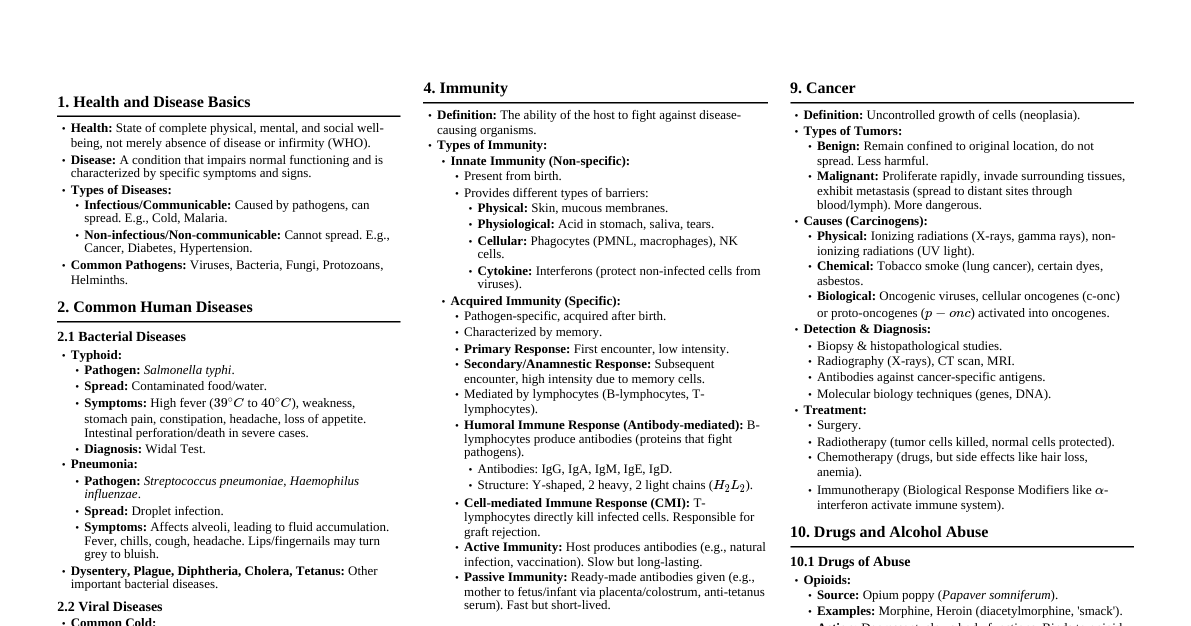
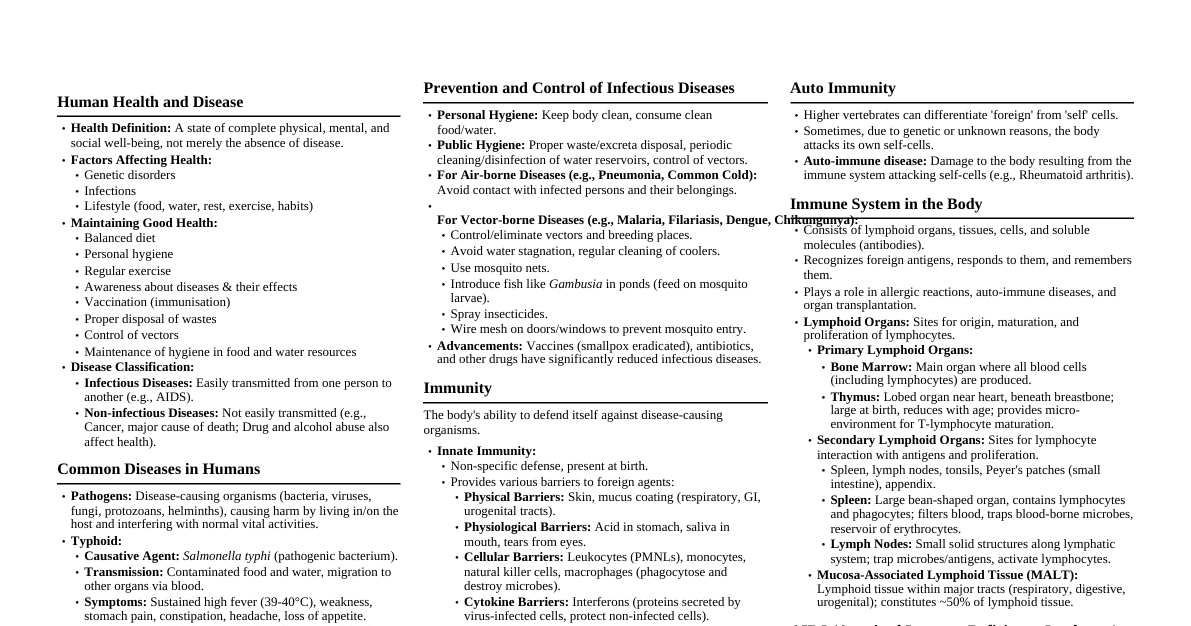
### Introduction to Infectious Diseases Infectious diseases significantly contribute to mortality, especially in: - Elderly individuals - Immunosuppressed patients - Those with chronic disease states #### How Microorganisms Cause Disease - Humans harbor a complex ecosystem of microflora. - Attenuation of normal host defense ("healthy" microbial flora) can lead to pathologic infections. - Non-commensal organisms exhibit a wide range of virulence. - Highly infectious microbes can produce disease even in healthy individuals. ### Types of Infectious Diseases #### Bloodborne Diseases - **HIV/AIDS** - **Hepatitis B and C** #### Bacterial - "Staph" skin infection - Pneumonia - Urinary tract infection - Anthrax - Botulism #### Viral - Influenza (flu) - Respiratory infections - Diarrhea - Chickenpox, measles, mumps #### Fungi - Candidiasis - Aspergillosis #### Parasitic - Malaria #### Infectious Diseases: Definitions - **Disease:** A pathological condition of body parts or tissues characterized by an identifiable group of signs and symptoms. - **Infectious Disease:** Disease caused by an infectious agent (bacteria, virus, fungi, protozoa) that can be passed on to others. - **Infection:** Occurs when an infectious agent enters the body and begins to reproduce; may or may not lead to disease. - **Pathogen:** An infectious agent that causes disease. - **Host:** An organism infected by another organism. - **Virulence:** The relative ability of an agent to cause rapid and severe disease in a host. #### Phases of Infectious Disease 1. **Incubation period:** Time between infection and the appearance of signs and symptoms. 2. **Prodromal phase:** Mild, nonspecific symptoms that signal the onset of some diseases. 3. **Clinical phase:** A person experiences typical signs and symptoms of disease. 4. **Decline phase:** Subsidence of symptoms. 5. **Recovery phase:** Symptoms have disappeared, tissues heal, and the body regains strength. #### Classification of Disease - **By duration:** - **Acute:** Develops and runs its course rapidly. - **Chronic:** Develops more slowly, is usually less severe, and may persist for a long, indefinite period. - **Latent:** Characterized by periods of no symptoms between outbreaks of illness. - **By location:** - **Local:** Confined to a specific area of the body. - **Systemic:** A generalized illness that infects most of the body. - **By timing:** - **Primary:** Initial infection in a previously healthy person. - **Secondary:** Infection that occurs in a person weakened by a primary infection. #### Modes of Disease Transmission | Mode of Transmission | Diseases Spread Include | |---|---| | **Contact Transmission** | | | Direct Contact: e.g., handshaking, kissing, sexual intercourse, bites | Cutaneous anthrax, genital warts, gonorrhea, herpes, rabies, staphylococcal infections, syphilis | | Indirect Contact: e.g., drinking glasses, toothbrushes, toys, punctures | Common cold, enterovirus infections, influenza, measles, Q fever, pneumonia, tetanus | | Droplet transmission: e.g., droplets from sneezing (within 1 meter) | Whooping cough, streptococcal pharyngitis (strep throat) | | **Vehicle Transmission** | | | Airborne: e.g., dust particles | Chickenpox, coccidiomycosis, histoplasmosis, influenza, measles, pulmonary anthrax, tuberculosis | | Waterborne: e.g., streams, swimming pools | Campylobacter infections, cholera, Giardia diarrhea | | Foodborne: e.g., poultry, seafood, meat | Food poisoning (botulism, staphylococcal), hepatitis A, listeriosis, tapeworms, toxoplasmosis, typhoid fever | | **Vector Transmission** | | | Mechanical: e.g., (on insect bodies) flies, roaches | E. coli diarrhea, salmonellosis, trachoma | | Biological: e.g., lice, mites, mosquitoes, ticks | Chagas' disease, Lyme disease, malaria, plague, Rocky Mountain spotted fever, typhus fever, yellow fever | #### Epidemics - Plague in India - Avian (H5N1) influenza in Hong Kong - Ebola hemorrhagic fever in central Africa - Nipah virus (niv) infection in Malaysia and Singapore required national and international response. #### Specific Infectious Diseases - **Plague (Black Death):** - Caused by *Yersinia pestis*. Transmitted from rodents to humans by aerosols or fleabites. - **Bubonic plague:** Most common, characterized by painful swollen lymph nodes ('buboes') that can become inflamed, tense, painful, and may turn into open sores filled with pus. - **Pneumonic plague:** Lung-based, most virulent form. - **Anthrax:** - Caused by *Bacillus anthracis*. Prevalent in animals in contact with spore-contaminated soil. - Human infection occurs through exposure to contaminated animal products or powdered spores (biologic weapon). - **3 major syndromes:** - **Cutaneous:** Painless, pruritic papules become edematous vesicles, followed by a black eschar. - **Inhalation:** Flu-like symptoms rapidly lead to sepsis, shock, and death. - **GI:** Caused by eating contaminated meat, resulting in severe, bloody diarrhea and death. - **Smallpox:** - Acute contagious disease caused by the *Variola* virus. - Symptoms: High recurrent fever, malaise, widespread skin rash (flat spots changing to raised bumps, then fluid-filled blisters that scab), severe headache, backache, abdominal pain, vomiting, diarrhea. - **Influenza:** - Acute contagious disease caused by influenza virus. - Causes respiratory tract infection with systemic symptoms. - Seasonal epidemics with low fatality, but pandemics can be more deadly. - Rapid onset, chills, fever, malaise/fatigue, headache, sore throat, cough, nasal congestion, and GI symptoms. - **Viral Hemorrhagic Fever:** - Infectious diseases causing severe, life-threatening illness. - Damage blood vessel walls, causing leakage, and hamper blood clotting. - Early symptoms: Fever, fatigue, weakness, dizziness, muscle/bone/joint aches, nausea, vomiting, diarrhea. - Examples: Dengue, Ebola, Lassa, Marburg, Yellow fever. - Severe symptoms: Bleeding under skin, internal organs, mouth/eyes/ears; nervous system malfunctions, coma, delirium, major organ failure. - **Tularaemia ("Rabbit Fever"):** - Caused by *Francisella tularensis*. - Typically found in animals (rodents, rabbits, hares), a rural disease. - Symptoms: Rapid onset, fever, dyspnoea, headache, malaise, cough, hemoptysis (coughing up blood). - **Botulism:** - Caused by *Clostridium botulinum*, which produces dangerous toxins in low-oxygen conditions. - Toxins block nerve functions, leading to respiratory and muscular paralysis. - Foodborne botulism is serious and potentially fatal, often from improperly processed food. - Symptoms: Fatigue, weakness, blurred vision, difficulty swallowing/speaking, descending muscle paralysis, respiratory failure. - **Malaria:** - Caused by *Plasmodium falciparum* (severe), *P. vivax, P. ovale, P. malariae*. - Transmitted by infected female *Anopheles* mosquitoes injecting *Plasmodium* sporozoites. - Sporozoites travel to the liver, multiply asexually (7-10 days, no symptoms). - Merozoites released from liver cells invade red blood cells, multiply, and burst, causing fever. - Some infected blood cells develop into gametocytes, which circulate in the bloodstream. - When a mosquito bites an infected human, it ingests gametocytes, which develop into gametes. - Fertilized gametes develop into ookinetes, burrow through the mosquito's midgut wall, and form oocytes on the exterior surface. - Oocysts burst, releasing sporozoites that travel to the mosquito's salivary glands. - The cycle of human infection begins again when the mosquito bites another person. ### Bioterrorism Acts and Their Functions | ACTS | COUNTRY | YEAR | FUNCTIONS | |---|---|---|---| | The Pandemic and All-Hazards Preparedness Act (PAHPA) | United States | 2006 | Improve the nation's public health, medical preparedness and response capabilities in emergencies. | | Public Readiness and Emergency Preparedness Act (PREP Act) | United States | 2005 | Protects from liability claims arising from administration, vaccine manufacturers, distributors, program planners, and qualified persons involved in the administration. | | Biodefense and Pandemic Vaccine and Drug Development Act | United States | 2005 | Provides incentives for domestic manufacturing of vaccines and broad liability protections to the companies. | | The Project Bioshield Act | United States | 2004 | Provides permanent funding for the procurement of medical countermeasures during emergencies. | | Public Health Security and Bioterrorism Preparedness and Response Act (Bioterrorism Act) | United States | 2002 | Issue regulations on enhancing controls on dangerous biological agents and toxins, protecting safety and security of food and drug supply, drinking water security and safety. | | Homeland Security Act | United States | 2002 | Create the Department of Homeland Security (DHS), that prevent or minimize damage and assist in recovery for terrorist attacks. | | USA Patriot Act | United States | 2001 | Uniting and strengthening America by providing appropriate tools required to intercept and obstruct terrorism. | | Chemical and Biological Weapons Control Act | United States | 1991 | Strengthen efforts to control chemical and biological agents, precursors, and equipment. | ### Disease Management **Health:** The condition of being sound in body, mind or spirit, especially freedom from physical disease or pain. #### Factors Influencing Health 1. **Genetic disorders:** Deficiencies a child is born with or inherits. 2. **Infections** 3. **Life style:** Food & water, rest & exercise, habits. #### Types of Diseases - **Congenital Disease:** Inborn and genetically inherited. - Disease due to gene mutation: e.g., Haemophilia, Color blindness. - Disease due to chromosomal mutation: e.g., Down's syndrome, Klinefelter's syndrome. - **Acquired Disease:** Occurs after birth and is not inherited. - **Communicable or infectious diseases:** Transmitted via air, water, food, physical contact, or vectors (Bacteria, Virus, Protozoa, Helminth, Fungus, etc.). - **Non-communicable or non-infectious diseases:** Deficiency diseases (Diabetes), Degenerative diseases (Arthritis), Cancerous & Allergic diseases (Asthma). #### What is Disease Management? - A system of coordinated healthcare interventions and communications for defined patient populations with conditions where self-care efforts can be implemented. - Empowers individuals, working with healthcare providers, to manage their disease and prevent complications. - Improvements in quality of care and patient outcomes should be the primary indicator of successful disease management. #### Infectious Diseases Can Be Caused By - **Bacteria:** One-cell organisms responsible for illnesses like strep throat, urinary tract infections, and tuberculosis. - **Viruses:** Even smaller than bacteria, viruses cause diseases ranging from the common cold to AIDS. - **Fungi** - **Parasites** #### Common Infectious Diseases - Chickenpox - Common cold - Diphtheria - Giardiasis - HIV/AIDS - Influenza (flu) #### Lifestyle Diseases Ailments primarily based on daily habits. - Atherosclerosis - Heart disease - Stroke - Obesity - Type 2 diabetes - Hypertension - Diseases associated with smoking and alcohol and drug abuse - Colon cancer - Premature mortality #### Chronic Diseases - Affect every aspect of a person's life (physical, mental health, family, social life, finances, employment). - Can shorten a person's life. - Conditions like asthma and diabetes require regular monitoring to prevent progression to life-threatening levels. - **Chronic disease management** is essential for improving health outcomes and containing healthcare costs. #### Prevention or Control of Diseases - Infectious diseases can be prevented through maintenance of personal and public hygiene. #### 10 Steps for Coping with a Chronic Condition 1. Get a prescription for information. 2. Make your doctor a partner in care. 3. Build a team. 4. Coordinate your care. 5. Make a healthy investment in yourself. 6. Make it a family affair. 7. Manage your medications. 8. Beware of depression. #### Prevent Chronic Diseases (Contd.) - **Eat Healthy:** Helps prevent, delay, and manage heart disease, type 2 diabetes, and other chronic diseases. - **Get Regular Physical Activity:** Helps prevent, delay, or manage chronic diseases. - **Avoid Alcohol.** - **Get Screened.** - **Get Enough Sleep.** #### Food & Water Borne Diseases - **Proper personal hygiene:** Keep body clean; consume clean drinking water, food, vegetables, fruits. - **Proper public hygiene:** Proper disposal of waste and excreta; periodic cleaning and disinfection of water reservoirs, pools, cesspools, and tanks; observing standard practices of hygiene in public catering. - **Examples:** Typhoid (*Salmonella typhii*), Amoebiasis (*Amoeba*), Ascariasis (*Ascaris*). #### Air Borne Diseases - Close contact with infected persons and their belongings should be avoided. - Personal hygiene is also very important to prevent diseases. - **Examples:** Pneumonia and Common cold. #### Vector Borne Diseases - Controlling or eliminating vectors and their breeding places. - Avoiding stagnation of water in and around residential areas, regular cleaning of household coolers, use of mosquito nets. - Introducing fishes like *Gambusia* in ponds (feed on mosquito larvae), spraying insecticides in ditches, drainage areas, and swamps. - Doors and windows with wire mesh to prevent mosquito entry. - **Examples:** *Aedes* & *Culex* mosquitoes, Houseflies. - Malaria, Filariasis, Dengue, and Chikungunya. #### Vaccines and Immunisation - Diseases can now be prevented by vaccines and immunisation. - A **vaccine** is a biological preparation that provides active acquired immunity to a particular infectious disease. - Vaccines have eradicated smallpox, polio, and significantly reduced diphtheria, pneumonia, and tetanus. - Biotechnology allows for newer and safer vaccines. - Discovery of antibiotics and other drugs has enabled effective treatment of infectious diseases. #### Immunity - Foreign agents (pathogens or foreign substances) can cause disease in a host. - The overall ability of a host to fight against disease-causing organisms is **Immunity**. #### Types of Immunity 1. **Innate Immunity:** Present from birth, not pathogen-specific. 2. **Acquired Immunity:** Not present from birth, pathogen-specific; immunity is conferred based on the immune system's memory for that pathogen. #### Principle of Vaccination - "Property of 'memory' of the immune system." - **Antigenic proteins** of a pathogen or **activated/weakened pathogen** (vaccine) are introduced into the body. - Antibodies produced neutralize pathogenic agents during actual infection. - Vaccines generate memory B and T-cells that recognize the pathogen quickly on subsequent exposure, leading to a massive production of antibodies. - **Recombinant DNA technology:** Antigenic polypeptides of pathogens are produced in bacteria or yeast for large-scale production and immunisation (e.g., Hepatitis B vaccine). #### Types of Vaccines - **Killed Vaccines** - **Live Attenuated Vaccines** - **Toxoids Subunit Vaccines** - **Polysaccharides Subunit Vaccines** - **Peptide Subunit Vaccines** - **Conjugate Vaccines** - **Recombinant Vaccines** - **DNA Vaccines** - **Edible Vaccines** #### Immunization - The process of making a person immune or resistant to an infectious disease, typically by vaccine administration. - Vaccines stimulate the body's own immune system to protect against subsequent infection. - **Two Types:** 1. **Active Immunisation:** Slow immune response, infected from mild dosage of dead/pretreated live microbe. E.g., Measles, Mumps, Rubella. 2. **Passive Immunisation:** Quick immune response. - Direct injection of preformed antibodies (e.g., Tetanus) or antitoxin (e.g., Snakebites). #### Allergy - Hypersensitivity disorder of the immune system where an exaggerated response to certain antigens (allergens) occurs. - **Allergens:** Substances that induce allergy (e.g., mites in dust, pollens, animal dander). - Antibodies produced: IgE type. - Symptoms: Sneezing, watery eyes, runny nose, difficulty breathing. - Reason: Release of chemicals like **histamine** and **serotonin** from mast cells. - Diagnosis: Injecting small dosage of possible allergens to observe reactions. - Drugs: Antihistamine, adrenalin, and steroids quickly reduce symptoms. - Protected environment: Lowered immunity can lead to increased sensitivity to allergens. #### Acquired Immuno Deficiency Syndrome (AIDS) - Disease caused by a deficiency of the immune system, acquired during lifetime (not congenital). - First reported in 1981; 25 million persons killed in 25 years. - **Causative organism:** Human Immunodeficiency Virus (HIV) - a retrovirus (RNA virus with RNA genome enclosed by protein coat). #### Modes of Transmission of HIV Infection - Sexual contact with infected person. - Transfusion of contaminated blood and blood products. - Sharing infected needles (intravenous drug abusers). - From infected mother to child through placenta. - High chance of AIDS for individuals with multiple sexual partners, drug addicts, those requiring repeated blood transfusions, and children born to HIV-infected mothers. - Symptoms appear 5-10 years after infection. #### HIV/AIDS Symptoms, Diagnosis & Treatment - **Symptoms:** - HIV attacks Helper T lymphocytes, causing severe **Cellular immuno-deficiency**. - Bouts of fever, diarrhea, weight loss. - Highly susceptible to *Mycobacterium*, viruses, fungi, parasites like *Toxoplasma*. - Infected person becomes opportunistic to infections. - **Diagnosis:** Enzyme-linked immunosorbent assay (ELISA). - **Treatment:** Anti-retroviral drugs (partially effective). Drugs can prolong life but cannot prevent death. #### Prevention of AIDS - Educating people to generate awareness. - National AIDS Control Organization (NACO) and other NGOs promote awareness. - WHO programs: Safe blood from blood banks, use of disposable needles/syringes, free condom distribution, controlling drug abuse, advocating safe sex, regular check-ups for HIV in susceptible populations. - HIV infection should not be hidden to prevent further spread. #### Cancer - Malignant tumor; a group of diseases involving abnormal **cell growth** with potential to invade or spread. - Major cause of death worldwide. - Its severity and oncogenic transformation process require intense research in biology and medicine for treatment and control. - Can be induced by external factors (**Carcinogens**). #### Causes of Cancer - Normal cells transform into cancerous neoplastic cells due to physical, chemical, and biological agents, collectively called **carcinogens**. - **Physical agents:** Ionizing radiation (X-rays, gamma rays) and non-ionizing radiation (UV-rays). - **Chemical agents:** Tobacco smoke, sodium azide, methyl ethane sulphonate. - **Biological agents:** - Cancer-causing viruses (**oncogenic viruses**) have **viral oncogenes** that induce transformation of neoplastic cells. - **Cellular oncogenes** (c-onc) or **proto-oncogenes** in normal cells, when activated, lead to oncogenic transformation. #### Normal and Cancer Cells Structure #### Mechanism of Transformation to Cancerous Cell - Cell growth and differentiation are normally highly controlled and regulated; this is lost in cancerous cells. - Normal cells exhibit **contact inhibition**, inhibiting uncontrolled growth. - Cancer cells lose this property, continuing to divide and form masses called **tumors**. #### Types of Tumors - **Benign tumors:** - Normally remain confined to their original location. - Do not spread. - Cause little damage. - **Malignant tumors:** - Mass of proliferating cells called **neoplastic** or tumor cells. - Grow very rapidly, invade and damage surrounding tissues. - Actively divide and grow, starving normal cells. - Cancerous cells escape the site of origin, move to distant places via blood, and form new tumors (**metastasis**). #### Four Main Types of Cancer - **Carcinomas:** Begin in the skin or tissues covering internal organs and glands. - **Sarcomas:** Begin in tissues supporting and connecting the body. - **Leukemias:** Cancer of the blood. - **Lymphomas and Myelomas:** Cancer of the immune system. #### Detection of Cancer - **Biopsy and histopathological study:** - Tissue, blood, and bone marrow tests for increased cell counts (leukemias). - Biopsy involves staining and examining suspected tissue under microscope. - **Radiography (X-rays, CT - computerized tomography):** - Used to detect cancers of internal organs. - CT uses X-rays to generate 3D images of internal objects. - **MRI (magnetic resonance imaging):** - Uses strong magnetic fields and non-ionizing radiations to detect pathological and physiological changes in living tissue. - **Antibodies against cancer-specific antigen:** - Used for detection of certain cancers; genetic predisposition may advise preventive measures. #### Cancer Treatment - **Surgery:** Removal of cancer cells. - **Radiotherapy:** Destruction of cancer cells using radiation. - **Chemotherapy:** Destruction of cancer cells using drugs (anti-cancer agents). #### Pandemic Management Platform - Contact Tracing Command Center Automation - Location History Management - Risk Assessment for Individual - Health Assessment Screening Bot - QnA Bot - Mass Surveillance Over Edge - Quarantine Enforcement - E-Pass Verification API - Pandemic Analytical Models ### Introduction to Telemedicine #### TELEMEDICINE World Health Organization defines telemedicine as "The delivery of health care services, where distance is a critical factor, by all health care professionals using information and communication technologies for the exchange of valid information for diagnosis, treatment and prevention of disease and injuries, research and evaluation, and for the continuing education of health care providers, all in the interests of advancing the health of individuals and their communities." #### TELEHEALTH "The delivery and facilitation of health and health-related services including medical care, provider and patient education, health information services, and self-care via telecommunications and digital communication technologies." #### Who can be associated with Telemedicine system? **REGISTERED MEDICAL PRACTITIONER (RMP)**: A person enrolled in the State Medical Register or the Indian Medical Register under the Indian Medical Council Act 1956. #### Telemedicine Applications - Patient management approach combining various information technologies for monitoring patients at a distance. - Information technology application domains in healthcare include telemedicine and home telecare. - **Chronic health conditions:** Pulmonary conditions, diabetes, hypertension, and cardiovascular diseases are often preventable or treatable. - Telemedicine helps manage these conditions, saving funds and improving care. - Includes **Telepsychiatry, Teleradiology, Teledermatology, and Teleophthalmology**. - Provides specialist consultation to distant communities, offering a tool for self-management of chronic disease. #### Home Telecare - Focused on providing care in a home setting to support the patient, rather than health professionals. - **Home telemonitoring:** Uses audio, video, and other telecommunication technologies to monitor patient status at a distance. #### Tools for Telemedicine - Telephone, video, devices connected over LAN, WAN, Internet, mobile or landline phones. - Chat Platforms like WhatsApp, Facebook Messenger. - Mobile Apps or internet-based digital platforms. - Data transmission systems like Skype/email/fax. #### Telemedicine Application Classification Can be classified into four basic types based on: 1. Mode of communication. 2. Timing of the information transmitted. 3. Purpose of the consultation. 4. Interaction between individuals (RMP-to-patient/caregiver, or RMP to RMP). #### Advantages of Telemedicine - Real-time data. - Decreased hospitalizations. - Actionable alerts. - Early identifications can be reported. - Client satisfaction. #### Disadvantages of Telemedicine - Reducing complications remains inconsistent across chronic illnesses. - Few reported changes in medication regimens and quality of life. - Clinical effects in cardiac studies often minimal and inconclusive. #### Telemedicine in Karnataka (India) - Introduced Telemedicine Network Project in 2001 by ISRO. - **First phase:** Rolled out in district hospitals (Mandya, Chitradurga, Chamarajnagar, Tumkur, Chikmagalur, Karwar, Shimoga, Gadag). - **Taluk level:** Hospitals offering telemedicine services in Sagara, Maddur, Yadgir. - Expert medical advice from specialists at St. John's Medical College and Hospital, NIMHANS, Jayadeva Institute of Cardiology, Narayana Hrudayalaya (Bangalore), and JSS hospital (Mysore). - Coordinated by Karnataka State Remote Sensing Applications Centre (KSRSAC) using Indian Remote Sensing Satellite. - Hospitals in remote locations connected to super-specialty hospitals via INSAT satellites. - Customized software integrated with computer hardware and diagnostic instruments, joined to Very Small Aperture Terminal (VSAT) at every location. ### AI in Diagnosis **Artificial intelligence (AI)** is an interdisciplinary science concerned with building smart machines capable of performing tasks that typically require human intelligence. - Coined in 1956 by John McCarthy. - Preceded by work on the Turing test (Alan Turing) and chess-playing programs (Dietrich Prinz). #### AI in Diagnosis - Healthcare is being transformed by digital technologies like AI, 3D printing, robotics, and nanotechnology. - Digitized healthcare reduces human errors, improves clinical outcomes, and tracks data. - AI methods (machine learning, deep learning) are crucial for well-being-related domains, improving clinical systems, patient information, and treating illnesses. - AI techniques are efficient in identifying different types of diseases. - Computerized reasoning (AI) offers unprecedented opportunities to improve medical services, recuperate patients, and reduce costs. - AI models provide data creation and suggestions for shared evaluation. - AI helps recognize demographics or environmental areas with high frequency of illness or high-risk behaviors. #### Development of an Artificially Intelligent Model 1. Problem Selection 2. Data Collection 3. Model Development 4. Training and Validation 5. Model Assessment 6. Model Deployment #### Applications of AI in Diagnosis / Biomedical Engineering 1. **Medical Imaging** - **Image Analysis:** AI algorithms enhance accuracy of image interpretation (X-rays, MRIs, CT scans) by identifying abnormalities (tumors, fractures, lesions). - **Early Detection:** AI systems detect diseases like cancer at earlier stages, improving prognosis. - **Radiomics:** AI extracts features from medical images not visible to the human eye, aiding personalized treatment. 2. **Predictive Analytics** - **Risk Assessment:** AI tools analyze patient data to predict likelihood of developing conditions (diabetes, heart disease, sepsis). - **Outcome Prediction:** Machine learning models forecast patient outcomes, helping clinicians make informed decisions. 3. **Personalized Medicine** - **Genomic Data Analysis:** AI processes genetic information to identify mutations linked to diseases, leading to targeted therapies. - **Tailored Treatment Plans:** AI analyzes patient-specific data to devise individualized treatment strategies based on genetics, lifestyle, and environmental factors. 4. **Drug Discovery and Development** - **Molecular Screening:** AI accelerates drug discovery by predicting compound interactions with biological targets, reducing time and cost. - **Clinical Trial Optimization:** AI identifies suitable candidates for clinical trials and predicts patient responses, enhancing efficiency. 5. **Clinical Decision Support Systems (CDSS)** - **Evidence-Based Recommendations:** AI systems provide clinicians with evidence-based treatment suggestions, improving decision-making and patient safety. - **Alerts for Potential Issues:** Flag potential drug interactions, allergies, or deviations from best practices. 6. **Robotic Surgery** - **Precision and Control:** AI-powered robotic systems assist surgeons in complex procedures with enhanced precision and minimally invasive techniques. - **Learning from Data:** Robotic systems continuously learn from surgical outcomes to improve performance. 7. **Telemedicine** - **Virtual Health Assistants:** AI-driven chatbots provide immediate responses to health inquiries, triaging patients. - **Remote Monitoring:** AI systems analyze data from wearables to monitor patient health in real-time, alerting providers to changes. 8. **Natural Language Processing (NLP)** - **Clinical Documentation:** AI automates transcription of clinical notes, making documentation more efficient. - **Information Retrieval:** NLP tools sift through medical literature, extracting relevant information for clinicians. 9. **Behavioral Health** - **Mental Health Monitoring:** AI analyzes speech patterns and facial expressions to assess mental health status and provide timely interventions. - **Chatbots for Therapy:** AI chatbots offer cognitive behavioral therapy (CBT) techniques, supporting patients outside traditional therapy. 10. **Administrative Workflow Optimization** - **Scheduling and Resource Management:** AI optimizes appointment scheduling and resource allocation, enhancing operational efficiency. - **Claims Processing:** AI automates insurance claims processing, reducing errors and speeding reimbursements. 11. **Patient Engagement and Education** - **Personalized Health Content:** AI tailors health education materials to individual patient needs, enhancing understanding and compliance. - **Health Reminders:** Automated systems send reminders for medication adherence, follow-up appointments, and preventive care. 12. **Epidemiology and Public Health** - **Disease Outbreak Prediction:** AI analyzes health data patterns to predict and monitor outbreaks. - **Population Health Management:** AI identifies high-risk populations, guiding interventions. 13. **Wearable Health Technologies** - **Continuous Monitoring:** AI processes data from wearables for insights into vital signs, activity levels, and overall health. - **Lifestyle Recommendations:** AI suggests personalized lifestyle changes based on user data. 14. **Biomedical Signal Processing** - **Noise Reduction:** AI enhances quality of signals from biomedical sources (EEG, ECG) by filtering noise. - **Pattern Recognition:** AI identifies patterns in biological signals, aiding diagnosis (epilepsy, cardiac arrhythmias). 15. **Social Determinants of Health** - **Data Analysis:** AI analyzes social determinants (socioeconomic status, education, environment) to understand impact on health outcomes. - **Targeted Interventions:** AI helps design interventions to address determinants, promoting equity. 16. **Chronic Disease Management** - **Monitoring and Alerts:** AI systems track chronic conditions (asthma, diabetes, hypertension), sending alerts for interventions. #### AI in Diagnosis Presents Several Challenges 1. **Data Quality and Availability** - **Incomplete Data:** Healthcare datasets can be incomplete or inconsistent, leading to inaccurate AI models. - **Bias in Data:** If training data is not representative of diverse populations, AI systems may perform poorly for underrepresented groups, leading to biased diagnoses. 2. **Interpretability and Transparency** - **Black Box Problem:** Many AI models (deep learning) function as "black boxes," making it difficult for clinicians to understand decisions. - **Trust and Acceptance:** Clinicians may be hesitant to rely on AI recommendations without clear explanations. 3. **Integration with Clinical Workflows** - **Compatibility Issues:** Integrating AI tools into existing healthcare systems can be complex and require significant changes. - **User Training and Adoption:** Clinicians and staff need training to effectively use AI tools, which can be time-consuming and costly. 4. **Regulatory and Ethical Concerns** - **Regulatory Approval:** Navigating the regulatory landscape for AI in healthcare is challenging due to varying standards. - **Ethical Considerations:** Issues around patient consent, data privacy, and AI replacing human decision-making raise ethical questions. 5. **Reliability and Generalization** - **Overfitting:** AI models trained on specific datasets may not generalize well to new or varied patient populations. - **Performance Variability:** AI system performance varies based on input data quality, requiring validation in diverse environments. 6. **Cost and Resource Allocation** - **Implementation Costs:** Developing, validating, and implementing AI systems can be expensive. - **Resource Limitations:** Smaller practices may lack resources, leading to disparities in access to advanced diagnostic tools. 7. **Liability and Accountability** - **Legal Responsibility:** Determining liability for incorrect AI diagnoses is complex, raising questions about accountability among developers, clinicians, and institutions. #### Around the World: AI in Medical Sciences | Company | Purpose | Website | |---|---|---| | AiCure (New York City) Patient-oriented | Uses video, audio, and behavioral data to better understand the connection between patients, disease and treatment. | [aicure.com](https://aicure.com) | | Aidence (Amsterdam, The Netherlands) Clinician-oriented | AI for radiologists: improving diagnostics for the treatment of lung cancer. | [aidence.com](https://www.aidence.com) | | Aiva Health (Los Angeles) Administrative and Operational-oriented | The first voice-powered care assistant: connects patients with the correct physician for communication. | [aivahealth.com](https://aivahealth.com) | | Babylon Health (London) Administrative and Operational-oriented | Uses NLP and AI to create internationally accessible and affordable health system for all. | [babylonhealth.com](https://www.babylonhealth.com) | | Bot MD (Singapore) Clinician-oriented | Bot assistant: answers clinical questions, transcribes dictated case notes and automatically organizes images and files. | [botmd.io/en/](https://www.botmd.io/en/) | | Suki (San Francisco) Clinician-oriented | Voice enabled digital assistant for physicians. | [suki.ai](https://www.suki.ai) | | Insitro (San Francisco) Patient-oriented | Uses advanced machine learning with computational genomics to reduce the time and cost associated with drug discovery for patients. | [insitro.com](http://insitro.com/) | #### Status in India: AI in Healthcare - **Scope:** ICMR guidelines apply to AI-based tools for all biomedical and health research and applications involving human participants and/or their biological data. - **Application of AI in Healthcare:** - **Diagnosis and Screening:** AI technologies provide an edge in diagnosing diseases, tackling diagnostic and screening burdens. - **Therapeutics, Drug Discovery and Development:** AI (Machine Learning) accelerates drug discovery and vaccine development, making it cost-effective. - **Genetic based analysis and personalized drugs:** AI guides treatment plans for specific health conditions. - **Behavioral and Mental Healthcare:** Medical AI models provide possibilities for behavioral and mental health treatment, assisting diagnoses, managing symptoms, and predicting flare-ups. - **Health Management Systems:** AI improves and optimizes operational functions in healthcare settings (scheduling, admission, EMR, accounting, billing, claim settling). - **Robotic process automation (RPA):** Advanced financial accounting, medical billing, and claims. NLP automates clinical documentation. #### Status in India: Ethical Principles in AI for Health - Non-Discrimination and Fairness - Optimization and Data Quality - Validity - Accessibility and Equity - Trustworthiness (Data Security and Trustworthy) - Risk Minimization and Safety - Accountability and Liability - Collaboration - Data Privacy - Autonomy #### AI Healthcare Tools (Examples) - **Merative (formerly IBM Watson Health):** Helps medical professionals make better decisions, automate tasks, and access patient records for quicker, more accurate diagnoses. - **Viz.ai:** Replaces outdated care practices with a convenient platform for healthcare professionals and patients to access and share information quickly, leading to faster treatment decisions. - **Enlitic:** Healthcare intelligence platform improving data accuracy with AI-powered solutions like Enlitic Curie™ for precision diagnosis and clinical decision support. - **Regard:** Comprehensive intelligent platform automating clinical tasks, giving providers more time with patients, and providing instant insights into patient pictures. - **Diagnostic Tools:** - **Aidoc:** AI-powered radiology platform for real-time detection of abnormalities in medical images. - **Zebra Medical Vision:** AI solutions for analyzing medical imaging data to identify various conditions, including cardiovascular diseases and cancers. - **PathAI:** Uses deep learning to improve accuracy of pathology diagnostics by analyzing tissue samples. - **Clinical Decision Support:** - **IBM Watson Health:** AI-driven insights to assist healthcare providers in clinical decision-making and patient management. - **Epic Systems:** Integrates AI algorithms into electronic health records (EHRs) for clinical decision support and predictive analytics. - **Virtual Health Assistants:** - **Babylon Health:** AI-driven health app for symptom checking and virtual consultations. - **Ada Health:** Chatbot for understanding symptoms and personalized health information. - **Drug Discovery and Development:** - **Insilico Medicine:** AI to accelerate drug discovery by predicting drug efficacy and identifying potential candidates. - **Atomwise:** Leverages deep learning to identify new drugs and predict interactions. - **Patient Monitoring and Management:** - **Biofourmis:** AI-powered solutions for remote patient monitoring and personalized health management, especially for chronic diseases. - **Sensei:** AI to monitor patient vitals and health metrics in real-time, providing alerts and insights. - **Population Health and Predictive Analytics:** - **Health Catalyst:** AI and data analytics to improve healthcare outcomes through predictive modeling and population health management. - **Qventus:** AI platform optimizing hospital operations by predicting patient flow and automating decision-making processes. - **Research and Development:** - **DeepMind Health:** AI research to improve healthcare, particularly in eye disease diagnostics and patient management. - **Mayo Clinic's AI Platform:** AI tools to enhance research, diagnostics, and patient care. - **Imaging and Radiology:** - **Lunit:** AI solutions for analyzing medical images, particularly in oncology and chest radiography. - **RadNet:** AI-driven platform for radiology providing insights and automating workflows. - **Personalized Medicine:** - **Tempus:** Combines clinical and molecular data for personalized treatment options for cancer patients through AI analysis. - **General Health Platforms:** - **CureMetrix:** AI tool focused on mammography analysis, improving breast cancer detection rates. - **WellDoc:** AI-based platform providing real-time support for managing chronic conditions like diabetes. #### AI Solutions For Healthcare - Powered Diagnostics and Imaging - Robotics in Surgery - Telemedicine and Remote Patient Monitoring - Medical Records Management - Chatbots in Communication - Reduction of Medical Errors - Automated Decision-Making - Early Detection and Diagnosis using AI - Making Healthcare Affordable #### Microsoft AI (The Path to Medical Superintelligence) - **Microsoft AI Diagnostic Orchestrator (MAI-DxO):** Benchmarked against real-world case records, it correctly diagnoses up to 85% of NEJM cases, over four times higher than experienced physicians, and more cost-effectively. #### How Does AI Perform? - Interactive case challenges from NEJM case series (Sequential Diagnosis Benchmark - SD Bench). - MAI-DxO transforms NEJM cases into stepwise diagnostic encounters, allowing models or human physicians to iteratively ask questions and order tests. - As new information becomes available, the model or clinician updates reasoning, narrowing toward a final diagnosis. - This diagnosis is compared to the gold-standard outcome published in the NEJM. - The MAI-Dx Orchestrator turns any language model into a virtual panel of clinicians: it can ask follow-up questions, order tests, or deliver a diagnosis, then run a cost check and verify its own reasoning before deciding whether to proceed.