New sheet - 11/24 20:28
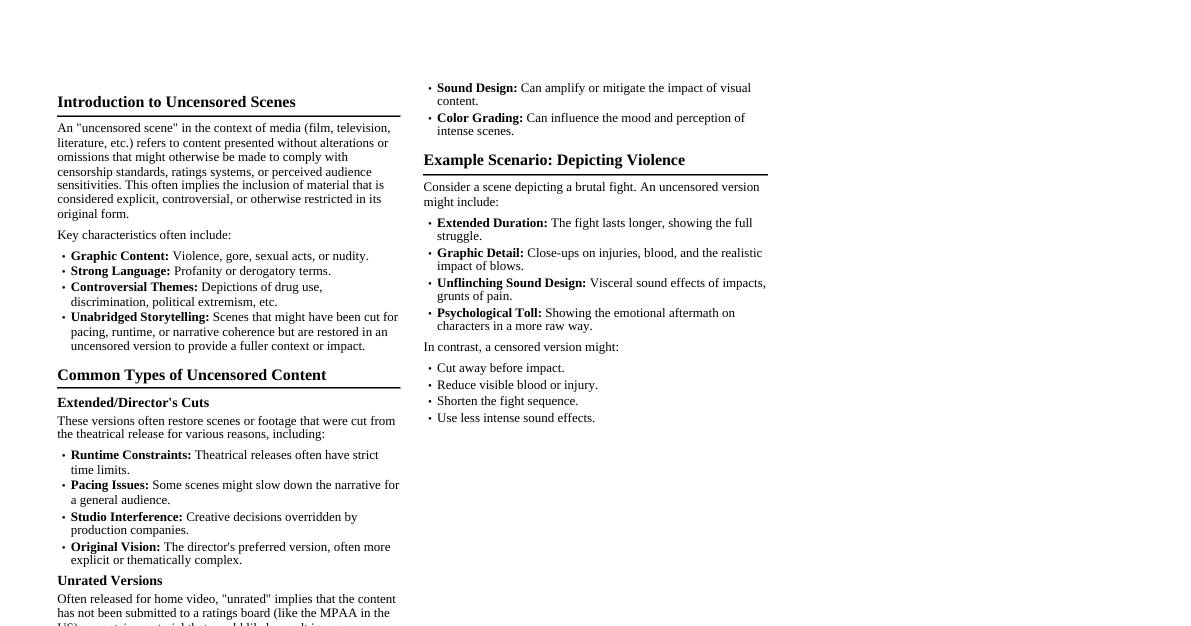
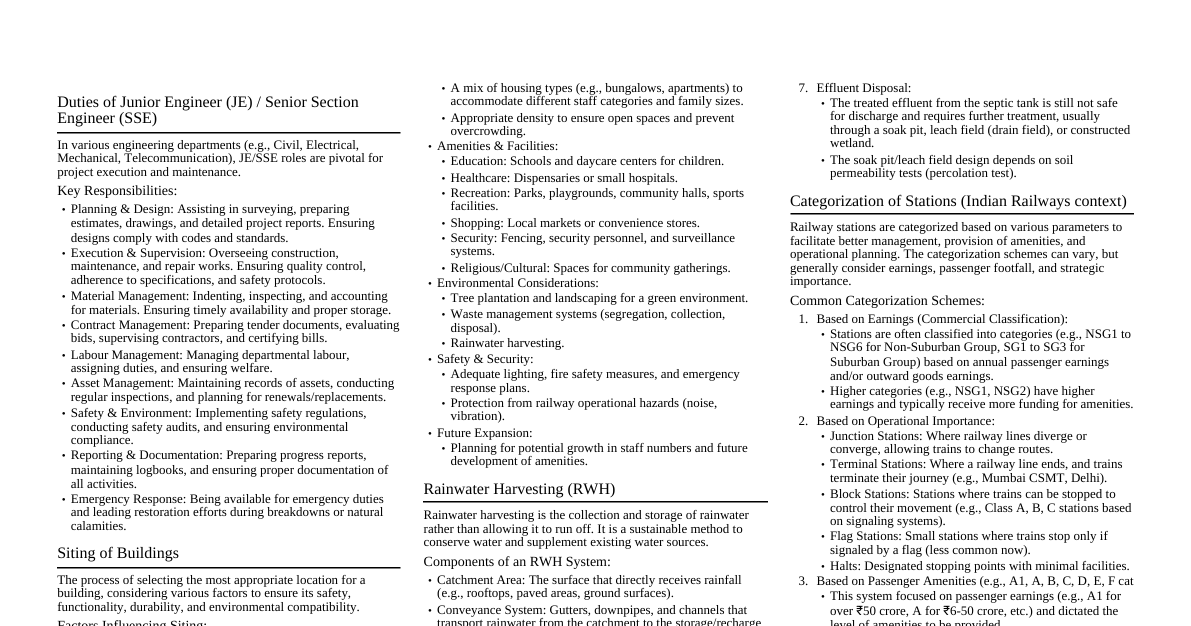
Cheatsheet Content
LONG Answer Type Questions (5 MARKS) 1. Why did nationalist tension emerge in the Balkans? Nationalist tension emerged in the Balkans due to a complex interplay of factors: Ethnic Diversity: The Balkans was a region of immense ethnic and linguistic diversity, with Slavic, Greek, Albanian, Romanian, and Turkish populations. Each group aspired for its own independent nation-state. Decline of the Ottoman Empire: The Ottoman Empire, which had controlled much of the Balkans for centuries, was in decline. This created an opportunity for various ethnic groups to assert their independence and for European powers to expand their influence. Romantic Nationalism: The spread of romantic nationalism in the 19th century inspired many Balkan groups to demand self-rule and unification with their ethnic kin. Great Power Rivalry: Major European powers like Russia, Germany, Austria-Hungary, and Britain had strategic interests in the Balkans. They often supported different groups, exacerbating tensions and leading to proxy conflicts. Russia, for instance, supported Slavic nationalists, while Austria-Hungary feared the rise of independent Slavic states. Series of Wars: The region experienced several wars (e.g., Balkan Wars of 1912-1913) as various states fought for territory and independence, further fueling nationalist fervor and animosity. 2. What are the different forms of power sharing in modern democracies? Modern democracies employ various forms of power sharing to ensure stability and representativeness: Horizontal Power Sharing (among different organs of government): Legislature: Makes laws. Executive: Implements laws. Judiciary: Interprets laws. This system of 'checks and balances' prevents any one organ from becoming too powerful. For example, judges are appointed by the executive but can declare executive actions unconstitutional. Vertical Power Sharing (among different levels of government): Union/Federal Government: For the entire country (e.g., defense, foreign affairs). State/Provincial Government: For specific regions (e.g., education, health). Local Government: At village or city level (e.g., sanitation, local infrastructure). This is known as federalism, where power is divided between central and regional authorities. Power Sharing among Different Social Groups: Community Government: In some countries (e.g., Belgium), different social groups (linguistic or ethnic) have separate governments to handle cultural, educational, and language-related issues. Reserved Constituencies: Seats are reserved in legislatures for minorities, women, or scheduled castes/tribes to ensure their representation. Minority Rights: Constitutional provisions protect the rights of minority groups. Power Sharing among Political Parties, Pressure Groups, and Movements: Coalition Governments: When no single party gets a majority, multiple parties form an alliance to govern, sharing power. Pressure Groups: Groups like trade unions, business associations, and environmental movements influence government decisions through protests, lobbying, and advocacy. Movements: Social movements often challenge existing power structures and demand policy changes, bringing new issues into public discourse. 3. Discuss the Salt March. The Salt March, also known as the Dandi March, was a pivotal act of nonviolent civil disobedience led by Mahatma Gandhi in colonial India. It began on March 12, 1930, and lasted until April 6, 1930. Background: The British Raj had a monopoly on salt production and imposed a heavy salt tax, affecting all Indians, especially the poor. Gandhi saw this as a symbol of British oppression. The March: Gandhi, along with 78 of his trusted volunteers, began a 240-mile trek from his ashram in Sabarmati to the coastal village of Dandi in Gujarat. Thousands joined him along the way. Breaking the Salt Law: On April 6, Gandhi reached Dandi and symbolically picked up a lump of natural salt from the seashore, thus manufacturing salt and openly defying the British salt law. Impact: It sparked a nationwide Civil Disobedience Movement, with millions of Indians breaking the salt law and other colonial laws. Women participated in large numbers, breaking social barriers. It garnered widespread international attention, exposing the oppressive nature of British rule. The movement led to the arrest of over 60,000 people, including Gandhi. Eventually, it pressured the British government to negotiate with Gandhi, leading to the Gandhi-Irwin Pact in 1931. The Salt March demonstrated the power of nonviolent resistance and significantly advanced India's struggle for independence. 4. How have technical and economic development led to more consumption of resources? Technical and economic development have significantly increased resource consumption in several ways: Industrialization: Modern industries require vast amounts of raw materials (minerals, fossil fuels, water) and energy for production processes. As economies grow, industrial output increases, leading to higher resource demand. Urbanization: Economic development often leads to rapid urbanization. Cities require extensive infrastructure (buildings, roads, utilities), which consumes large quantities of construction materials (cement, steel, sand) and energy. Urban populations also have higher consumption patterns. Increased Per Capita Consumption: As incomes rise, people tend to consume more goods and services, including consumer electronics, vehicles, and processed foods. This 'consumerism' drives demand for resources. Technological Advancements: While some technologies can be resource-efficient, many new technologies (e.g., smartphones, electric vehicles) require rare earth metals and other specific resources for their production. The rapid obsolescence of technology also leads to a 'throwaway' culture. Globalization and Trade: Globalized supply chains and international trade make it easier to access resources from around the world, often at lower prices, which can encourage higher consumption without considering local resource scarcity. Population Growth: While not directly a result of development, population growth, especially in developing economies, combined with rising living standards, puts immense pressure on global resources. Energy Demand: Economic development is heavily reliant on energy. Most of this energy still comes from non-renewable fossil fuels (coal, oil, gas), leading to their rapid depletion. 5. What are the major reasons for the slow growth of handicrafts and handloom industry in U.T. of Jammu and Kashmir? The handicrafts and handloom industry in Jammu and Kashmir, despite its rich heritage, has experienced slow growth due to several challenges: Lack of Marketing and Branding: Insufficient marketing strategies and lack of proper branding limit the reach of J&K's unique products to national and international markets. Artisans often struggle to compete with mass-produced goods. Limited Access to Finance: Artisans and small handloom units often lack access to formal credit and financial assistance, hindering their ability to invest in better raw materials, tools, and expansion. Inadequate Infrastructure: Poor infrastructure, including unreliable power supply, limited transportation networks, and lack of modern workshops, affects production efficiency and timely delivery. Competition from Machine-Made Goods: The market is flooded with cheaper, machine-made imitations, which undercut the prices of genuine handmade products, making it difficult for artisans to earn a fair livelihood. Exploitation by Middlemen: A long chain of middlemen often exploits artisans, buying products at low prices and selling them at high margins, leaving the creators with minimal profit. Lack of Design Innovation and Adaptation: While traditional designs are valued, there's sometimes a lack of innovation to adapt to changing consumer tastes and modern aesthetics, limiting market appeal. Scarcity of Raw Materials: Availability and fluctuating prices of quality raw materials (like Pashmina wool, specific woods) can be a significant challenge for sustained production. Political Instability and Conflict: The region's history of political instability and conflict has severely disrupted tourism and trade, which are crucial for the handicraft sector. This has also led to a decline in artisan numbers and investment. Generational Shift: Younger generations often find traditional crafts less lucrative or appealing, leading to a decline in the number of skilled artisans and the potential loss of traditional knowledge. 6. Briefly trace the process of Italy's unification. Italy's unification, known as the Risorgimento , was a complex process spanning several decades in the 19th century: Early 19th Century Fragmentation: Italy was divided into several independent states, many under foreign rule (Austrian Habsburgs, Bourbons). Nationalist sentiment began to grow, inspired by the French Revolution. Role of Revolutionary Movements (1830s-1848): Figures like Giuseppe Mazzini formed secret societies (e.g., Young Italy) advocating for a unified Italian republic. Revolutions in 1848 failed to achieve unification but highlighted the desire for it. Leadership of Sardinia-Piedmont: The Kingdom of Sardinia-Piedmont, under King Victor Emmanuel II and his shrewd Chief Minister Count Camillo Cavour, emerged as the leading force for unification. Cavour's strategy was to unite Italy under the Sardinian monarchy, using both diplomacy and military force. Alliance with France (1859): Cavour allied with France (Napoleon III) against Austria. Sardinia-Piedmont defeated Austria, annexing Lombardy. This victory inspired other northern Italian states to join Sardinia-Piedmont. Garibaldi's Campaign (1860): Giuseppe Garibaldi, a charismatic nationalist, led his "Red Shirts" expedition to Sicily and Naples, liberating the Kingdom of the Two Sicilies from Bourbon rule. He then handed these territories over to Victor Emmanuel II. Annexation of Papal States (1860-1870): Most of the Papal States (excluding Rome) joined Italy in 1860. Rome itself was finally annexed in 1870 after France withdrew its troops during the Franco-Prussian War, completing the unification. In 1861, Victor Emmanuel II was proclaimed King of a united Italy. The process was a blend of diplomatic maneuvering, popular uprisings, and military campaigns. 7. State one prudential reason and one moral reason for power sharing with an example from the Indian context. Prudential Reason: Power sharing is good because it helps to reduce the possibility of conflict between social groups. Social conflict often leads to violence and political instability. Example from India: The system of reserved constituencies in India is a prudential measure. Seats are reserved in the Lok Sabha and State Legislative Assemblies for Scheduled Castes (SCs) and Scheduled Tribes (STs). This ensures that these historically marginalized communities have a voice in governance, preventing their exclusion from power, which could otherwise lead to social unrest and conflicts. Moral Reason: Power sharing is the very spirit of democracy. A democratic rule involves sharing power with those affected by its exercise, and who have to live with its effects. Example from India: The establishment of Panchayati Raj and Municipalities (Local Self-Government) through constitutional amendments (73rd and 74th) is a moral reason for power sharing. It decentralizes power to the grassroots level, allowing ordinary citizens to directly participate in decision-making processes concerning their local areas. This embodies the democratic ideal of giving power to the people. 8. Name the types of soils found in India. Discuss any one in detail. India has a diverse range of soils due to its varied relief features, landforms, climatic realms, and vegetation types. The major types of soils found in India are: Alluvial Soil Black Soil (Regur Soil) Red and Yellow Soil Laterite Soil Arid Soil Forest Soil Detailed Discussion: Alluvial Soil Formation: Alluvial soils are formed by the deposition of sediments brought by rivers. They are widespread in the northern plains and also found in the deltas of the Mahanadi, Godavari, Krishna, and Kaveri rivers. Characteristics: Texture: These soils are typically sandy loam to clayey in texture. They are fine-grained and highly porous. Composition: They are rich in potash, phosphoric acid, and lime, making them very fertile. However, they are often deficient in nitrogen and humus. Color: The color varies from light grey to ash grey. Types: Khadar (New Alluvium): Finer, more fertile, renewed almost every year by flood deposits. Ideal for intensive agriculture. Bhangar (Old Alluvium): Coarser, contains kankars (calcareous concretions), found away from the flood plains. Less fertile than Khadar. Crops: Alluvial soils are highly fertile and suitable for the cultivation of a wide range of crops such as paddy, wheat, sugarcane, maize, pulses, and oilseeds. Distribution: Found in the Indo-Gangetic-Brahmaputra plains (Punjab, Haryana, Uttar Pradesh, Bihar, West Bengal, Assam) and the eastern coastal plains. Significance: These soils are among the most productive in India, supporting a large population and contributing significantly to the country's agricultural output. 9. Identify major agricultural crops grown in Jammu and Kashmir. Distribute these crops according to Kharif and Rabi seasons. Jammu and Kashmir, with its varied agro-climatic zones, grows a diverse range of crops. The major agricultural crops can be categorized by season: Kharif Crops (Monsoon/Summer Crops - sown June-July, harvested Sept-Oct): Rice (Paddy): The most important Kharif crop, especially in the Kashmir Valley and parts of Jammu. Maize: Widely grown, particularly in hilly and rain-fed areas. Pulses: Some varieties of pulses like Moong and Urad. Fodder Crops: Essential for livestock. Vegetables: Various summer vegetables. Rabi Crops (Winter Crops - sown Oct-Nov, harvested March-April): Wheat: The most prominent Rabi crop, mainly in the plains of Jammu. Barley: Grown in colder regions. Oilseeds: Mustard, Rapeseed. Pulses: Gram (Chickpea). Fodder Crops: Winter fodder. Saffron: A high-value spice crop, unique to Kashmir (Pampore region), harvested in autumn (Sept-Oct). Horticultural Crops (Perennial, not strictly seasonal but yield periods vary): J&K is famous for these. Fruits: Apples, pears, cherries, apricots, walnuts, almonds, peaches, plums, grapes. Vegetables: Cabbage, cauliflower, potato, tomato, onion, garlic. Spices: Saffron, cumin, fennel. 10. How does horticulture contribute to the state economy? Horticulture plays a crucial role in the economy of Jammu and Kashmir, contributing significantly to its Gross State Domestic Product (GSDP) and providing livelihoods to a large segment of the population: Major Source of Income and Employment: Horticulture is a primary source of income for a large number of farmers, especially in the Kashmir Valley and parts of Jammu. It provides direct and indirect employment throughout the year, from cultivation, harvesting, grading, packaging, transportation, to processing. High-Value Crops: Fruits like apples, pears, cherries, apricots, and walnuts are high-value crops, generating substantial revenue compared to traditional field crops. Saffron, a unique and expensive spice, also contributes significantly. Export Potential: J&K's horticultural products, particularly apples and dry fruits, have a strong demand in national and international markets, leading to significant export earnings and foreign exchange. Support to Allied Industries: The horticulture sector fuels several allied industries such as fruit processing (juices, jams, dried fruits), cold storage, packaging, transportation, and agricultural machinery, creating a diversified economic ecosystem. Rural Development: By providing sustainable livelihoods and higher incomes to rural communities, horticulture helps in poverty alleviation and improves the living standards of farmers. Tourism Linkage: The scenic orchards and fruit gardens attract tourists, especially during blooming and harvesting seasons, indirectly boosting the tourism sector. Environmental Benefits: Orchards and fruit crops contribute to green cover, soil conservation, and biodiversity, which are vital for the ecological balance of the region. 11. Define minerals. What are various metallic and non-metallic minerals found in Jammu and Kashmir? Definition of Minerals: A mineral is a naturally occurring, inorganic substance with a definite chemical composition and a characteristic crystalline structure. They are formed through geological processes and are the building blocks of rocks. Minerals Found in Jammu and Kashmir: Jammu and Kashmir is known more for its scenic beauty and horticulture than for extensive mineral resources, but it does possess some significant deposits: Metallic Minerals: Bauxite: Found in the Udhampur and Poonch districts. It is the primary ore for aluminium. Copper: Scattered occurrences in areas like Reasi, Doda, and Ladakh. Lead and Zinc: Minor occurrences reported in parts of the Zanskar range and Udhampur. Iron Ore: Small deposits of low-grade iron ore are found in Reasi and Udhampur districts. Chromite: Found in limited quantities in Ladakh. Non-Metallic Minerals: Coal: Significant reserves of lignite and bituminous coal are found in the Jammu region (Kalakot, Metka, Sair, Chakar). This is one of the most important mineral resources of the region. Limestone: Abundant and widely distributed across various districts (Kathua, Udhampur, Reasi, Anantnag, Baramulla). It is crucial for cement production and building materials. Gypsum: Found in Doda, Baramulla, and Poonch districts. Used in cement, plaster of Paris, and fertilizer industries. Magnesite: Deposits are found in the Jammu region. Used in refractories and chemicals. Dolomite: Occurrences in Reasi and Udhampur. Used in steelmaking and as a building material. Sapphire: The famous Padder Sapphire mines in Kishtwar district are known for producing high-quality sapphires, though extraction is challenging. Slate: Used for roofing and flooring. Marble: Found in parts of Ladakh and Kashmir. Clay: Various types of clays (including fire clay) are found, used in pottery and brick-making. 12. Briefly trace the process of German unification. German unification, also known as the Unification of Germany, was completed in 1871 under the leadership of Prussia, culminating in the creation of the German Empire. Fragmentation and Rise of Nationalism: In the early 19th century, Germany was a collection of over 300 independent states, loosely bound by the German Confederation. Nationalist sentiments, fueled by cultural and linguistic unity, grew after the Napoleonic Wars. Prussian Leadership: Prussia, the most powerful and militaristic of the German states, took the lead in the unification movement. Otto von Bismarck, appointed as Chief Minister of Prussia in 1862, became the architect of unification. He believed in "Blood and Iron" – military strength and industrial power – to achieve his goals. Danish War (1864): Prussia, allied with Austria, fought Denmark over the Schleswig-Holstein question. This victory increased Prussian prestige and allowed it to annex Schleswig, while Austria took Holstein. Austro-Prussian War (1866): Bismarck intentionally provoked a war with Austria. Prussia's superior military technology (needle gun) and tactics led to a swift victory. This dissolved the German Confederation and excluded Austria from German affairs, paving the way for Prussian dominance. Prussia then formed the North German Confederation, bringing most northern German states under its control. Franco-Prussian War (1870-1871): Bismarck skillfully manipulated diplomatic tensions with France. The Ems Dispatch incident provoked France into declaring war. The southern German states, fearing French aggression, allied with Prussia. The unified German forces decisively defeated France. Proclamation of the German Empire (1871): Following the victory, on January 18, 1871, in the Hall of Mirrors at the Palace of Versailles, King William I of Prussia was proclaimed Emperor of Germany. This marked the official unification of Germany, incorporating all major German states (except Austria) into a single nation-state. Bismarck's strategic diplomacy and military prowess were central to this process. 13. Write in detail the types of soil found in India. India's diverse geography and climate have resulted in a variety of soil types, each with distinct characteristics and agricultural potential. These types are primarily classified based on their formation, color, texture, and chemical properties: Alluvial Soils: Formation: Formed by the deposition of sediments brought by rivers, primarily in the Indo-Gangetic-Brahmaputra plains and river deltas. Characteristics: Highly fertile, light grey to ash grey, rich in potash, phosphoric acid, and lime but deficient in nitrogen and humus. They are generally porous. Types: Khadar (New Alluvium): Finer, more fertile, renewed annually by floods. Bhangar (Old Alluvium): Coarser, contains calcareous concretions (kankars), found away from flood plains. Crops: Ideal for paddy, wheat, sugarcane, maize, pulses, and oilseeds. Distribution: Northern plains, deltas of eastern coast. Black Soils (Regur Soils): Formation: Derived from weathered basaltic rock (Deccan Trap region) and volcanic lava flows. Characteristics: Black in color, extremely fertile, rich in calcium carbonate, magnesium, potash, and lime. They are clayey, highly moisture-retentive, and develop cracks when dry. Deficient in phosphoric content. Crops: Best suited for cotton (hence 'Black Cotton Soil'), sugarcane, tobacco, wheat, and oilseeds. Distribution: Deccan Plateau (Maharashtra, Madhya Pradesh, Gujarat, parts of Andhra Pradesh and Karnataka). Red and Yellow Soils: Formation: Develops on crystalline igneous rocks in areas of low rainfall. Red soil forms when iron in the rocks oxidizes, and it looks yellow when hydrated. Characteristics: Reddish color due to iron content. Generally poor in humus, nitrogen, phosphorus, and lime. They are sandy to clayey loam. Crops: Suitable for groundnuts, tobacco, millets, pulses, and potatoes with proper irrigation and fertilizers. Distribution: Eastern and Southern parts of the Deccan Plateau (Odisha, Chhattisgarh, parts of Ganga plain, Western Ghats). Laterite Soils: Formation: Develops under tropical and subtropical climates with alternating wet and dry seasons, due to intense leaching by heavy rainfall. Characteristics: Red to yellowish-red, coarse, acidic, and generally poor in plant nutrients (nitrogen, potash, phosphorus, lime). Humus content is low. Crops: Suitable for tea, coffee, cashew nuts, and rubber. Distribution: Western Ghats, Eastern Ghats, North-Eastern regions, parts of Odisha and West Bengal. Arid Soils: Formation: Found in dry regions with high temperatures and low rainfall. Characteristics: Sandy texture, saline, light brown to red. Lacks humus and moisture. The lower horizons have 'kankars' (calcium carbonate concretions) that restrict water infiltration. Crops: With proper irrigation, crops like wheat, bajra, jowar, and pulses can be grown. Distribution: Western Rajasthan, parts of Gujarat and Haryana. Forest Soils: Formation: Found in forest areas, especially in hilly and mountainous regions, formed by the deposition of organic matter from forest vegetation. Characteristics: Loamy and silty in valley sides, coarse-grained on upper slopes. Varies in texture and structure depending on the mountain environment. They are generally acidic with low humus content in upper slopes, but fertile in valley bottoms. Crops: Suitable for tea, coffee, spices, and various fruit crops. Distribution: Himalayas, Western and Eastern Ghats, and other forested hilly regions. 14. What steps did the French revolutionaries take to create a sense of collective identity among the French people? The French revolutionaries, from 1789 onwards, took several crucial steps to forge a sense of collective identity (nationalism) among the diverse French population: Ideas of La Patrie (The Fatherland) and Le Citoyen (The Citizen): They emphasized the concept of a united community enjoying equal rights under a constitution. This fostered a sense of collective belonging and shared identity. New French Flag: The royal standard was replaced by the new tricolour flag, chosen to represent the nation. This became a powerful visual symbol of national unity. National Anthem: New hymns were composed, oaths taken, and martyrs commemorated, all in the name of the nation. The "Marseillaise" became the national anthem, a song of patriotism and revolution. Centralized Administration and Uniform Laws: A centralized administrative system was put in place, and uniform laws were formulated for all citizens within its territory. This created a sense of legal equality and shared governance. Internal Customs Duties Abolished: Internal customs duties and dues were abolished, and a uniform system of weights and measures was adopted. This facilitated economic unity and a sense of a common market. Abolition of Feudal System: The abolition of the feudal system and serfdom freed peasants and created a more egalitarian society, fostering loyalty to the nation rather than local lords. Promotion of French Language: Regional dialects were discouraged, and French, as spoken and written in Paris, became the common language of the nation. This promoted linguistic unity. Formation of National Assembly: The Estates General was renamed the National Assembly and was elected by active citizens, giving the notion of popular sovereignty and collective representation. 15. Some people feared the effect of easily available printed books. Why? The easy availability of printed books, especially after the invention of the printing press, caused apprehension among certain sections of society for several reasons: Religious Authority: Religious authorities, particularly the Church, feared that printed books would spread heretical ideas and challenge their established doctrines. The Bible, once exclusive to the clergy, became accessible to common people, leading to new interpretations and questioning of religious orthodoxy. This fear led to censorship and the Inquisition. Social Hierarchy and Elite Control: The elite (aristocracy, wealthy merchants) feared that widespread access to knowledge would undermine their social status and authority. If common people could read and form their own opinions, it could lead to questioning of traditional hierarchies and social order. Spread of Seditious Ideas: Rulers and governments were concerned that printed matter could disseminate revolutionary or seditious ideas, leading to dissent, rebellion, and political instability. Pamphlets and newspapers could rapidly spread calls for change. Erosion of Traditional Values: Some feared that new ideas and narratives in printed books would corrupt people's minds, particularly women and children, and erode traditional values, morality, and culture. Loss of Control over Information: Before print, information was largely controlled by scribes, monasteries, and royal courts. Print democratized information, making it difficult for authorities to control what people read and believed. 16. What were the effects of the spread of print culture for poor people in 19th century India? The spread of print culture in 19th-century India had a mixed but generally transformative effect on poor people: Access to Religious Texts: Earlier, religious texts were often inaccessible to the poor due to cost and illiteracy. Print made religious books cheaper and more widely available, allowing them to read and interpret sacred texts for themselves, sometimes leading to new religious movements. Spread of Reformist Ideas: Social reformers used print to spread messages against caste discrimination, sati, child marriage, and other social evils. This helped raise awareness among the poor about their rights and the need for social change. Political Awareness: Nationalist newspapers and pamphlets, often published in vernacular languages, informed the poor about colonial exploitation, political developments, and the struggle for independence, fostering a sense of national identity. Educational Opportunities: Though literacy rates were low, the availability of textbooks and primers encouraged some poor individuals to learn to read, opening avenues for basic education. Public libraries also emerged. New Forms of Entertainment: Cheaply printed popular books, folk tales, and dramas provided entertainment and moral lessons to the poor, often through public readings. Exploitation and Misinformation: Not all effects were positive. Sometimes, print was used to spread communal hatred or misinformation, which could be exploited by vested interests, affecting the vulnerable poor. Challenges of Illiteracy: Despite the availability of books, widespread illiteracy remained a major barrier for the majority of the poor to fully benefit from print culture. Many relied on public readings or word-of-mouth. 17. Define soil erosion. What steps can be taken to control soil erosion in hilly areas? Definition of Soil Erosion: Soil erosion is the process by which the top layer of soil, which is the most fertile, is removed or displaced by natural forces like wind and water, or by human activities. It leads to the degradation of land and loss of agricultural productivity. Steps to Control Soil Erosion in Hilly Areas: Hilly areas are particularly vulnerable to soil erosion due to steep slopes and heavy rainfall. Effective control measures include: Contour Ploughing: Ploughing along the contour lines rather than up and down the slope. This creates natural barriers for water to flow down the slope, slowing it down and preventing soil runoff. Terrace Farming: Cutting steps (terraces) into the slopes of hills. Terraces restrict the flow of water, reduce surface runoff, and allow for cultivation on otherwise uncultivable land. Strip Cropping: Large fields are divided into strips. Strips of grass are grown between strips of crops. The grass strips help to break up the force of the wind and water, preventing them from eroding the soil. Shelterbelts (Windbreaks): Planting lines of trees or shrubs around fields or along the boundaries of farms. These act as windbreaks, reducing wind velocity and protecting the soil from wind erosion. Construction of Dams/Check Dams: Building small dams across gullies or streams to check the flow of water and prevent gully erosion. This also helps in water harvesting. Afforestation and Reforestation: Planting more trees and maintaining forest cover. Tree roots bind the soil, preventing it from being washed away by rain or blown away by wind. Mulching: Covering the bare ground between plants with a layer of organic material like straw, leaves, or crop residue. This helps retain soil moisture, suppress weeds, and protect the soil from direct impact of raindrops. Rotation of Crops: Practicing crop rotation helps maintain soil fertility and structure, making it less susceptible to erosion. 18. Describe the impact of globalisation on Indian agriculture. Globalisation has had a multifaceted impact on Indian agriculture, bringing both opportunities and challenges: Opportunities: Increased Exports: Indian agricultural products like spices, tea, coffee, cotton, and rice found new markets globally, boosting export earnings. Access to New Technologies: Farmers gained access to advanced farming techniques, improved seeds, pesticides, and machinery, leading to increased productivity in some sectors. Diversification: Global demand encouraged diversification into high-value crops like horticulture and floriculture. Foreign Investment: Increased foreign direct investment (FDI) in food processing, cold storage, and agricultural infrastructure. Challenges: Competition from Cheaper Imports: Indian farmers face stiff competition from cheaper agricultural imports from developed countries that often provide subsidies to their farmers. Price Volatility: Global price fluctuations for agricultural commodities can severely impact farmers' incomes, making them vulnerable to market risks. Shift to Cash Crops: Farmers often shift from food crops to cash crops (e.g., cotton, sugarcane) due to global market demand, sometimes at the expense of food security and local consumption needs. Increased Input Costs: Reliance on expensive hybrid seeds, fertilizers, and pesticides (often from multinational companies) increases the cost of cultivation, reducing farmers' profit margins. Land Degradation: Intensive farming practices to meet global demand can lead to soil degradation, water depletion, and environmental issues. "Farm Crisis" and Indebtedness: Many small and marginal farmers, unable to compete or cope with market fluctuations and high input costs, have faced indebtedness and distress, leading to farmer suicides in some regions. Impact on Small Farmers: Globalisation often favors large-scale commercial farming, making it difficult for small and marginal farmers to integrate into global supply chains. 19. Describe the geographical conditions required for the growth of rice. Rice (Paddy) is a staple crop in India and requires specific geographical conditions for optimal growth: Temperature: High temperatures, generally above $25^\circ C$, are required during the growing season. It thrives in hot and humid climates. Rainfall: Abundant rainfall (over 100 cm) is essential. In areas with less rainfall, irrigation is necessary, as rice requires standing water for a significant period of its growth. Soil: Alluvial soil, which is rich in clay content and can retain water, is ideal. Clayey loamy soils are also suitable as they are fertile and can hold water. Soils rich in humus are preferred. Topography: Plain areas are best suited for rice cultivation as they facilitate easy flooding and retention of water. Terrace farming is practiced in hilly regions to create artificial plains for rice cultivation. Labor: Rice cultivation, especially traditional methods, is labor-intensive, requiring a large workforce for transplanting, weeding, and harvesting. Due to these requirements, rice is primarily grown in the plains of North and North-Eastern India, coastal areas, and the deltaic regions of major rivers. 20. Write a short note on Handloom and Handicraft industry in J&K. The Handloom and Handicraft industry in Jammu and Kashmir is a cornerstone of its cultural heritage and economy, renowned for its exquisite artistry and unique products. Rich Heritage: J&K has a centuries-old tradition of handloom weaving and handicraft making, passed down through generations. These crafts reflect the region's diverse cultural influences and natural beauty. Key Products: Handlooms: Famous for Pashmina shawls, Kani shawls, woolens, and silk carpets. Pashmina, made from the fine wool of Himalayan goats, is globally recognized for its warmth and softness. Handicrafts: Includes intricate wood carving (walnut wood), papier-mâché items, crewel embroidery, chain stitch, copperware, pottery, and stone carving. Economic Significance: Livelihood: Provides direct and indirect employment to a substantial portion of the population, especially in rural areas, empowering artisans and women. Export Potential: Many products, particularly Pashmina and carpets, are highly sought after internationally, generating significant foreign exchange. Tourism: A major attraction for tourists, contributing to the state's tourism revenue. Challenges: The industry faces challenges such as competition from machine-made imitations, lack of proper marketing and branding, limited access to finance for artisans, scarcity of raw materials, and impact of political instability. Government Initiatives: Efforts are being made by the government to promote these sectors through skill development, design intervention, GI (Geographical Indication) tagging for authentic products, and market linkages to support artisans and preserve these traditional crafts. 21. How does Tourism act as a service sector of UT of J & K? Tourism is a vital component of the service sector in the Union Territory of Jammu and Kashmir, playing a crucial role in its economy and development: Major Revenue Generator: Tourism brings significant revenue to the UT through various channels such as accommodation (hotels, guesthouses), transportation (taxis, airlines), food and beverage services, shopping (local handicrafts), and adventure activities. Employment Provider: It is a major employer, providing direct jobs in hotels, restaurants, travel agencies, as guides, drivers, and indirect employment in souvenir shops, local transport, handicraft industry, and food supply chains. Development of Infrastructure: The demand from tourism spurs the development of infrastructure like roads, airports, railways, communication networks, and civic amenities, benefiting both tourists and local residents. Promotion of Local Culture and Crafts: Tourism provides a market for local handicrafts, handlooms, traditional cuisine, and cultural performances, helping to preserve and promote the rich cultural heritage of J&K. Foreign Exchange Earnings: International tourists contribute to foreign exchange earnings, strengthening the UT's economy. Regional Development: It helps in the development of remote and rural areas by creating economic opportunities and reducing migration to urban centers. Multiplier Effect: The money spent by tourists circulates within the local economy, generating further economic activity and income for various stakeholders. Branding and Image Building: Successful tourism promotes J&K as a global destination, enhancing its image and attracting further investment. 22. What is Economy? What are three sectors of economy? Economy: An economy is a system of production, distribution, and consumption of goods and services within a particular geographic region or country. It encompasses all human activities related to earning a livelihood and satisfying needs and wants. The primary goal of an economy is to allocate scarce resources to meet unlimited human wants. Three Sectors of Economy: Economies are typically divided into three main sectors based on the nature of their activities: Primary Sector: Definition: This sector involves activities that directly use or extract natural resources. It is the base of all other products. Examples: Agriculture (farming, cultivation), forestry, fishing, mining, and quarrying. Characteristic: Often referred to as the 'agricultural sector' or 'raw material extraction sector'. Secondary Sector: Definition: This sector involves processing raw materials obtained from the primary sector into finished goods. It is associated with industrial activity. Examples: Manufacturing (producing textiles from cotton, sugar from sugarcane), construction (buildings, infrastructure), and power generation. Characteristic: Often called the 'industrial sector' or 'manufacturing sector'. Tertiary Sector: Definition: This sector provides services rather than producing goods directly. These services support the primary and secondary sectors and cater to consumer needs. Examples: Transport, banking, insurance, trade, communication, education, healthcare, tourism, information technology. Characteristic: Also known as the 'service sector'. It is the largest and fastest-growing sector in many developed economies. 23. How was the history of nationalism in Britain unlike the rest of Europe? The history of nationalism in Britain (specifically Great Britain) was significantly different from that in mainland Europe: No Sudden Revolution or Struggle: Unlike countries like France or Germany, where nationalism emerged from revolutions or long struggles for unification, British nationalism was not a result of a sudden upheaval or a single common cultural identity. Gradual and Evolutionary Process: It was a long-drawn-out process of forming a 'nation-state' through the gradual expansion of England's influence over other island nations (Scotland, Wales, Ireland). Act of Union (1707): The formation of the 'United Kingdom of Great Britain' in 1707 was a result of the Act of Union between England and Scotland. This was more of a political and economic arrangement than a spontaneous surge of nationalist feeling. England, being dominant, was able to impose its culture and institutions on Scotland. Parliamentary Domination: The English Parliament, which had seized power from the monarchy in 1688, was the instrument through which a nation-state with England at its center was forged. Suppression of Other Identities: The growth of a British identity meant the suppression of the distinct cultures and political institutions of the constituent units. For example, Catholic revolts in Ireland were brutally suppressed, and Ireland was forcibly incorporated into the UK in 1801. Dominance of English Culture: The symbols of the new Britain – the British flag (Union Jack), the national anthem (God Save Our Noble King/Queen), and the English language – were actively promoted, leading to the marginalization of other identities. No Common Language or Ethnicity to Start: While continental European nationalism often emphasized a shared language, ethnicity, or history, Britain was initially a multi-ethnic island with distinct languages (English, Welsh, Gaelic) and cultural traditions. The "nation" was built around political and economic power rather than pre-existing cultural unity. 24. Discuss the major economic reforms introduced by the post-1947 governments in the Jammu and Kashmir State. Post-1947, particularly under Sheikh Abdullah's government, Jammu and Kashmir introduced significant economic reforms, primarily aimed at land redistribution and economic upliftment of the masses: Land Reforms (Big Landed Estates Abolition Act, 1950): This was perhaps the most revolutionary reform. It abolished large landed estates without compensation to the landlords, taking land from big landowners (jagirdaars, muafidaars) and distributing it to the landless tillers. The ceiling for landholding was fixed at 22.75 acres. Impact: This significantly reduced rural inequality, empowered peasants, and provided them with land ownership, which was a major step towards economic justice. Abolition of Indebtedness: Measures were taken to relieve peasants of their chronic indebtedness to moneylenders, providing them with a fresh start. Promotion of Co-operative Movement: The government encouraged the formation of co-operatives for agricultural credit, marketing, and supply of inputs, to protect farmers from exploitation. Development of Agriculture and Horticulture: Focus was laid on improving agricultural practices, providing irrigation facilities, and distributing improved seeds and fertilizers. Special emphasis was given to horticulture, recognizing its potential for high-value crops (fruits, saffron) and export. Industrial Development: Efforts were made to establish small-scale industries and promote traditional crafts (handlooms, handicrafts) to diversify the economy and create non-agricultural employment. Infrastructure Development: Investment in roads, power generation, and communication to support economic activities and improve connectivity. State Control and Planning: The early governments adopted a more socialist pattern of development with significant state intervention in economic planning and resource allocation. 25. Explain the main features of the State government's education policy during Bakshi's period. During Bakshi Ghulam Mohammad's tenure as Prime Minister of Jammu and Kashmir (1953-1964), the state government made significant strides in education, focusing on making it accessible and broad-based: Free Education at All Levels: A landmark policy was the introduction of free education from primary to university level. This removed financial barriers, making education accessible to all sections of society, especially the poor and marginalized. Expansion of Educational Institutions: There was a rapid increase in the number of schools, colleges, and technical institutions across the state. New schools were opened in remote areas to ensure wider reach. Emphasis on Technical Education: Recognizing the need for skilled manpower, the government laid stress on establishing polytechnics and other technical institutes to provide vocational training. Promotion of Women's Education: Special efforts were made to encourage girls' education, including opening separate schools and providing incentives. Curriculum Development: Efforts were made to modernize the curriculum, making it more relevant to the needs of the state and aligned with national standards, while also preserving local cultural aspects. Teacher Training and Welfare: Initiatives were taken to improve the quality of teaching through training programs and to ensure better salaries and working conditions for teachers. Adult Literacy Programs: Programs were launched to address adult illiteracy, recognizing that education for adults was crucial for overall societal development. Scholarships and Financial Aid: Provision of scholarships and financial assistance to meritorious and needy students to pursue higher education. Bakshi's education policy aimed at universalizing education and laying a strong foundation for human resource development in J&K. 26. Describe the main mineral resources of Jammu and Kashmir Union Territory. The Union Territory of Jammu and Kashmir, while not as richly endowed as some other regions of India, possesses several significant mineral resources: Coal: This is one of the most important mineral resources. Significant reserves of lignite and bituminous coal are found in the Jammu region, particularly in areas like Kalakot, Metka, Sair, and Chakar. These deposits are crucial for meeting local energy demands and for industrial use. Limestone: Abundant and widely distributed across various districts including Kathua, Udhampur, Reasi, Anantnag, and Baramulla. Limestone is a key raw material for the cement industry and is also used in construction and as flux in metallurgy. Gypsum: Found in Doda, Baramulla, and Poonch districts. Gypsum is used in the manufacturing of cement, plaster of Paris, fertilizers, and as a soil conditioner. Bauxite: Deposits are found in the Udhampur and Poonch districts. Bauxite is the primary ore from which aluminium is extracted. Magnesite: Occurrences are found in the Jammu region. Magnesite is used in refractories (heat-resistant materials), chemicals, and as a source of magnesium metal. Dolomite: Found in Reasi and Udhampur districts. Dolomite is used in the steel industry as a flux, as a building material, and in agriculture as a soil additive. Sapphire: The famous Padder Sapphire mines in the Kishtwar district are known for producing high-quality sapphires. While extraction is challenging, these precious stones are highly valued internationally. Copper, Lead, and Zinc: Minor occurrences of these metallic ores are reported in various parts, including Reasi, Doda, Ladakh, and the Zanskar range. Marble and Slate: Building stones like marble are found in parts of Ladakh and Kashmir, while slate is used for roofing and flooring. Exploration and sustainable extraction of these minerals are crucial for the economic development of the UT. 27. Explain the hurdles in economic development of Jammu and Kashmir. Jammu and Kashmir faces several significant hurdles in its economic development, which have historically hampered its growth potential: Political Instability and Conflict: Decades of political instability, militancy, and cross-border tensions have severely disrupted economic activities, discouraged investment, and led to loss of life and property. This creates an uncertain environment for businesses. Inadequate Infrastructure: Despite improvements, many areas still suffer from poor infrastructure, including limited road connectivity to remote regions, unreliable power supply, and underdeveloped industrial estates. This hinders industrial growth and market access. Limited Industrial Base: The industrial sector is relatively underdeveloped, with a heavy reliance on traditional sectors like agriculture, horticulture, and handicrafts. Lack of large-scale manufacturing limits job creation and diversification. Unemployment: High rates of unemployment, especially among educated youth, lead to social unrest and underutilization of human resources. Limited job opportunities outside traditional sectors exacerbate this issue. Natural Disasters: The region is prone to natural disasters like floods, earthquakes, and landslides, which cause significant damage to infrastructure, agriculture, and property, setting back development efforts. Geographical Constraints: The mountainous terrain makes construction and maintenance of infrastructure costly and challenging. Harsh winters can disrupt economic activities and connectivity. Limited Access to Markets: Due to geographical isolation and security concerns, businesses often face challenges in accessing wider national and international markets, affecting profitability and growth. Brain Drain: The lack of opportunities and prevailing instability sometimes leads to skilled professionals and educated youth migrating to other parts of India or abroad, causing a 'brain drain'. Dependence on Central Assistance: The UT has historically been heavily reliant on financial assistance from the central government, indicating a need for greater self-sufficiency and revenue generation. SHORT ANSWER TYPE QUESTIONS (3 MARKS) 1. Write a short note on: a) Simon Commission The Simon Commission was a group of seven British Members of Parliament, led by Sir John Simon, appointed in 1927 by the British government to report on the working of the Indian constitution established by the Government of India Act 1919. The major criticism was that it had no Indian members, which was seen as an insult to Indian self-respect. This led to widespread protests and boycotts by all Indian political parties upon its arrival in India in 1928, with the slogan "Simon Go Back!". b) Jallianwala Bagh Jallianwala Bagh is a public garden in Amritsar, Punjab, infamous for the massacre that took place on April 13, 1919. On that day, a large, unarmed crowd had gathered to protest against the Rowlatt Act and the arrest of two nationalist leaders. General Reginald Dyer ordered his troops to open fire on the trapped crowd without warning, killing hundreds and injuring thousands. This brutal act became a turning point in the Indian nationalist movement, fueling widespread outrage and intensifying the demand for Swaraj. c) Outraged by the Rowlatt Act The Rowlatt Act was passed by the Imperial Legislative Council in 1919, despite the unanimous opposition of Indian members. It authorized the British government to imprison any person suspected of terrorism without trial for up to two years. This draconian law was seen as a blatant violation of civil liberties and fundamental rights. It outraged Indians, leading to widespread protests, hartals, and demonstrations across the country, with Mahatma Gandhi launching a nationwide Satyagraha against it. d) Satyagraha Satyagraha, literally "truth-force," was Mahatma Gandhi's philosophy and practice of nonviolent resistance. It is a method of protest based on the power of truth and the need to search for truth. It suggests that if the cause is true and the struggle is against injustice, then physical force is not necessary to fight the oppressor. A satyagrahi would appeal to the conscience of the oppressor through non-cooperation and nonviolence. Gandhi successfully used Satyagraha in South Africa and then in various movements in India, such as Champaran, Kheda, Ahmedabad Mill Strike, and the Salt March. 2. Name the eight National Parties of India. As of recent classifications by the Election Commission of India, there are currently six recognized National Parties. However, if considering a broader historical context or a slightly older list, eight parties might be referred to. The current six are: Bharatiya Janata Party (BJP) Indian National Congress (INC) Bahujan Samaj Party (BSP) Communist Party of India (Marxist) (CPI-M) National People's Party (NPP) Aam Aadmi Party (AAP) (Note: Previously, the Communist Party of India (CPI) and Trinamool Congress (TMC) were also National Parties but lost their status in 2023. If the question refers to a time before 2023, these would be included.) 3. State how caste inequalities are still continuing in India. Despite constitutional prohibitions and laws, caste inequalities continue to persist in India in various forms: Economic Disparities: Dalits and other marginalized castes often face discrimination in access to education, jobs, and land, leading to lower incomes, higher poverty rates, and limited economic opportunities. Social Discrimination and Untouchability: Practices like untouchability, though legally banned, still occur in subtle or overt forms, especially in rural areas, affecting access to public spaces, water sources, and religious sites. Access to Education: Children from lower castes may face discrimination, lack of resources, and social barriers in schools, affecting their attendance, performance, and completion rates. Marriage and Social Interaction: Inter-caste marriages still face strong opposition and violence in many parts, indicating the continued rigidity of caste boundaries in social relations. Political Representation (Subtle Forms): While reserved seats ensure political presence, individuals from lower castes may still face challenges in exercising power or influencing policy due to dominant caste dynamics. Violence and Atrocities: Lower castes, particularly Dalits, continue to be subjected to violence, atrocities, and hate crimes by dominant caste groups, often for asserting their rights or defying traditional norms. Occupational Segregation: Many traditional caste-based occupations persist, limiting social mobility for individuals from certain castes, who are often relegated to menial or stigmatized jobs. 4. What is meant by Bretton Woods Agreement? The Bretton Woods Agreement was a landmark international monetary agreement signed in July 1944 at a conference in Bretton Woods, New Hampshire, USA. It established a system of fixed exchange rates where the US dollar was pegged to gold at $35 per ounce, and other major currencies were pegged to the dollar. It also led to the creation of the International Monetary Fund (IMF) and the International Bank for Reconstruction and Development (IBRD, now part of the World Bank). The aim was to ensure global monetary stability and facilitate post-World War II reconstruction and economic cooperation. 5. What are the main employment generating sectors of the economy of Jammu and Kashmir? The main employment-generating sectors in the economy of Jammu and Kashmir are: Agriculture and Horticulture: This is the largest employer, particularly in rural areas. It includes cultivation of staple crops, fruits (apples, walnuts), vegetables, and saffron. Tourism and Allied Services: A crucial service sector, providing employment in hotels, guesthouses, restaurants, transport, guiding, and souvenir shops. Handicrafts and Handlooms: Traditional crafts like Pashmina weaving, papier-mâché, wood carving, and embroidery provide livelihoods to a significant number of artisans. Government Sector (Public Administration): Government jobs (state and central) are a major source of stable employment in the UT. Trade and Commerce: Retail, wholesale, and local trading activities generate employment in towns and cities. Construction: Infrastructure development and housing projects provide jobs for skilled and unskilled labor. 6. What is the role of community during the disaster? During a disaster, the community plays a critical and often first-responder role: Immediate Response: Community members are often the first to provide help, rescue, and first aid to victims, often before external aid arrives. Local Knowledge: They possess invaluable local knowledge about the terrain, vulnerable areas, safe routes, and who might be most at risk, which is crucial for effective rescue operations. Resource Mobilization: Communities can quickly mobilize local resources like food, shelter, clothes, and volunteers for relief efforts. Emotional Support: They provide crucial emotional and psychological support to affected individuals, helping them cope with trauma. Reconstruction and Rehabilitation: Post-disaster, communities are vital in rebuilding efforts, participating in reconstruction, and helping in the long-term rehabilitation of affected families. Information Dissemination: They can help disseminate warnings and critical information from authorities to local residents. 7. What are the objectives of first-aid? The primary objectives of first-aid are summarized by the "3 Ps": Preserve Life: To save the life of the injured or sick person and prevent their condition from worsening. This involves addressing immediate life-threatening issues like severe bleeding, choking, or breathing difficulties. Prevent Worsening: To prevent the injury or illness from becoming more severe. This includes actions like stopping bleeding, immobilizing fractures, or cooling burns to minimize damage. Promote Recovery: To help the casualty start on the road to recovery by providing initial care and comfort, and arranging for further medical assistance. This involves making the person comfortable and reassuring them until professional medical help arrives. 8. Explain in detail the first, second and third degree of burns. Burns are injuries to the skin or other organic tissue primarily caused by heat or radiation, radioactivity, electricity, friction, or contact with chemicals. They are classified by depth: First-Degree Burns (Superficial): Affected Layers: Only the outermost layer of the skin (epidermis). Symptoms: Redness, mild swelling, pain, and sensitivity to touch. No blisters. Appearance: Skin looks dry, red, and may peel after a few days. Treatment: Usually heals within a week without scarring. Treat with cool water, aloe vera, and mild pain relievers. Second-Degree Burns (Partial Thickness): Affected Layers: Epidermis and part of the underlying dermis layer. Symptoms: Intense pain, redness, significant swelling, and most notably, blisters. The skin may appear wet or weeping. Appearance: Skin can be blotchy, red, or white. Treatment: Healing can take 2-3 weeks, often with scarring. Requires wound care to prevent infection and promote healing. Medical attention is usually recommended. Third-Degree Burns (Full Thickness): Affected Layers: All layers of the skin (epidermis and dermis) and potentially underlying fat, muscle, or bone. Symptoms: The burned area may appear white, leathery, charred, or waxy. Surprisingly, there may be little or no pain due to nerve damage. Appearance: Skin is dry and rigid. Treatment: These are severe and life-threatening burns. They cannot heal on their own and require immediate medical attention, often involving skin grafting and extensive rehabilitation. 9. Write a brief note on micro, small and medium scale industries in employment generation in J & K. Micro, Small, and Medium Enterprises (MSMEs) are vital for employment generation in Jammu and Kashmir. They include a wide range of units from traditional handicrafts to small manufacturing and service units. MSMEs are crucial because: Large Scale Employment: They are significant employers, especially in the absence of large-scale industries. They absorb a large number of local youths, particularly those with limited formal education, and provide opportunities for skilled artisans. Promoting Traditional Crafts: The handicraft and handloom sectors, which fall under MSMEs, are major employers and preserve the unique cultural heritage of J&K (e.g., Pashmina, papier-mâché, wood carving). Decentralized Growth: MSMEs facilitate economic growth in rural and remote areas, reducing migration to urban centers and promoting balanced regional development. Low Capital Investment: They require relatively lower capital investment compared to large industries, making them accessible for local entrepreneurs. Diversification of Economy: MSMEs help diversify the economy beyond agriculture, reducing dependence on a single sector. Innovation and Local Needs: They can cater to local demands and foster small-scale innovation. However, MSMEs in J&K face challenges like limited access to finance, marketing issues, and competition, requiring government support for their continued growth and employment contribution. 10. What is Chauri Chaura incident? The Chauri Chaura incident was a violent event that took place on February 4, 1922, at Chauri Chaura in the Gorakhpur district of the United Provinces (modern-day Uttar Pradesh). During a large protest by Indian nationalists, part of Mahatma Gandhi's Non-Cooperation Movement, a large crowd of peasants clashed with the police. In retaliation for police firing, the protestors set fire to a police station, killing 22 policemen. Mahatma Gandhi, a staunch believer in nonviolence, was deeply disturbed by this incident. He immediately called off the Non-Cooperation Movement, believing that the movement had turned violent and that the satyagrahis were not yet ready for true nonviolent resistance. 11. Explain the three types of movements or flows within international economic exchange. Historians often identify three types of movements or "flows" that characterize international economic exchange in the modern world, particularly since the 19th century: Flow of Trade (Goods): This refers to the movement of goods (e.g., textiles, food grains, raw materials) across national borders. Historically, this flow was driven by colonial expansion and the demand for raw materials in industrializing nations and markets for their finished goods. Today, it's characterized by global supply chains and free trade agreements. Flow of Capital (Investment): This involves the movement of capital (money, investments) across countries. In the 19th century, European powers invested heavily in colonies for mining, plantations, and infrastructure. Today, it includes foreign direct investment (FDI), portfolio investment, and international loans, driven by profit motives and global financial integration. Flow of Labour (Migration): This is the movement of people in search of employment or better economic opportunities across national borders. In the 19th century, millions of Indians and Chinese indentured laborers migrated to work in mines and plantations in other colonies. Today, it includes both skilled and unskilled migration, driven by wage differentials, demographic changes, and global labor demands. These three flows are interconnected and have profoundly shaped the global economy. 12. Find one example of each type of flow which involved India and Indians and write a short account of it. Flow of Trade (Goods) - Export of Indian Textiles: Account: For centuries, India was a leading producer and exporter of fine cotton textiles (muslins, calicoes) to markets across Asia and Europe. During the British colonial period, India became a major supplier of raw cotton to British textile mills in Manchester and Liverpool, while also serving as a captive market for British machine-made textiles. This flow of goods fundamentally altered India's economy, leading to the decline of its traditional handloom industry but integrating it into the global trading system. Flow of Capital (Investment) - British Investment in Indian Railways: Account: The British colonial government and private British companies made significant capital investments in India, particularly in developing the railway network from the mid-19th century. This investment was primarily aimed at facilitating the transport of raw materials from the interior to ports for export and distributing British manufactured goods throughout India. While it created some employment and modernized infrastructure, the primary beneficiaries were British economic interests, and it deepened India's role as a colonial resource base. Flow of Labour (Migration) - Indentured Labour Migration: Account: From the mid-19th century, millions of Indian indentured laborers were recruited to work on plantations (sugar, rubber) and in mines across the British Empire, particularly in the Caribbean (Trinidad, Guyana), Fiji, Mauritius, and South Africa. These workers, often fleeing poverty and famine in India, were bound by contracts that were often exploitative, resembling a new system of slavery. Their migration created significant Indian diasporic communities globally and represented a massive flow of cheap labor from India to support colonial economies. 13. Why did some industrialists in nineteenth century Europe prefer hand labour over machines? In 19th-century Europe, despite the advent of machines, some industrialists preferred hand labor for several reasons: Abundance of Labor: In many European countries, there was a surplus of labor due to rural-to-urban migration. This meant cheap and readily available workers, making hand labor a cost-effective option compared to expensive machines. High Cost of Machinery: Machines were expensive to buy, install, maintain, and repair. Industrialists often preferred to use human labor to avoid these high capital investments, especially for small-scale production. Seasonal Industries: Many industries were seasonal (e.g., gas works, breweries, bookbinding, printing). In such industries, machines were uneconomical because they would sit idle for much of the year. Hand labor could be hired for specific seasons. Demand for Specific Designs and Variety: In the mid-19th century, the demand for goods with intricate designs, specific shapes, and a wide variety of colors was high, particularly among the aristocracy and bourgeoisie. Machines produced standardized goods, while hand labor could create customized, unique, and finely finished products. Perceived Quality: Handmade goods were often associated with better quality, craftsmanship, and elegance, especially in luxury markets. Unreliable Technology: Early machines were often unreliable, prone to breakdowns, and required skilled operators, which were sometimes scarce. 14. Explain the causes and consequences of Great Depression. The Great Depression was a severe worldwide economic depression that took place during the 1930s. Causes: Agricultural Overproduction: Post-World War I, agricultural overproduction led to falling food prices. Farmers' incomes declined, and they couldn't repay loans, leading to rural distress. Stock Market Crash of 1929: The "Wall Street Crash" triggered panic selling, wiping out fortunes and leading to a collapse of investor confidence. Banking Crisis: Many banks collapsed as people withdrew their money and banks couldn't collect loans. This led to a credit crunch, further stifling economic activity. Withdrawal of US Loans: The USA, a major lender, withdrew its loans from other countries, particularly Germany, severely impacting European economies. Protectionism and Tariffs: Countries raised import duties (e.g., US Smoot-Hawley Tariff Act), leading to a collapse in international trade. Unequal Distribution of Wealth: A significant portion of wealth was concentrated in the hands of a few, limiting overall consumer demand. Consequences: Mass Unemployment: Millions lost their jobs worldwide, leading to widespread poverty and social distress. Economic Contraction: Industrial production plummeted, trade collapsed, and national incomes fell sharply. Social Unrest: Widespread poverty, hunger, and homelessness led to social unrest, protests, and political instability in many countries. Rise of Authoritarian Regimes: The economic crisis contributed to the rise of extremist political ideologies (e.g., Nazism in Germany, Fascism in Italy) as people sought radical solutions. Increased Government Intervention: Governments worldwide began to play a more active role in managing their economies, leading to the development of welfare states and Keynesian economic policies. Impact on Colonies: Colonies like India experienced a sharp fall in agricultural prices and exports, leading to increased peasant indebtedness and distress. 15. The East India Company appointed gomasthas to supervise weavers in India. Explain. When the East India Company established its political power in India, it sought to control the production of textiles, which was a major export commodity. To ensure a regular supply of cotton and silk goods, the Company adopted a system of management by appointing gomasthas . Who were Gomasthas? They were paid servants of the East India Company, acting as supervisors over weavers. Their Role: Supervision: Gomasthas supervised weavers, collected supplies, and examined the quality of cloth. Advance System: They gave advances to weavers to purchase raw materials, binding them to the Company. Weavers who took advances had to hand over the cloth to the gomastha and could not sell it to any other buyer. Quality Control: They ensured that the cloth produced met the Company's quality standards. Impact on Weavers: Loss of Bargaining Power: Earlier, weavers could bargain for prices with different buyers. Now, they were forced to sell to the Company at prices dictated by the gomasthas. Exploitation: Gomasthas often acted arrogantly, punished weavers for delays, and prevented them from dealing with other buyers. Indebtedness: The advance system often trapped weavers in a cycle of debt, as they struggled to meet production targets and quality requirements under oppressive conditions. Clashes: There were frequent clashes between weavers and gomasthas, leading to protests and many weavers abandoning their ancestral profession. 16. Describe the important features of rice cultivation. Rice cultivation is characterized by distinct features that make it a staple crop, especially in monsoon Asia: Water-Intensive: Rice requires high levels of water, often standing water, during much of its growth period. This makes it suitable for areas with high rainfall or assured irrigation. Warm Climate: It thrives in tropical and subtropical regions with high temperatures (above $25^\circ C$) and high humidity. Labor-Intensive: Traditional rice cultivation, especially transplanting seedlings and harvesting, is highly labor-intensive, requiring a large workforce. Alluvial Soils: Best grown in fertile alluvial or clayey soils that can retain water effectively. Crop Cycle: Typically a Kharif (monsoon) crop in India, sown in June-July and harvested in September-October. In some regions, multiple crops (Aus, Aman, Boro) are grown. Nursery and Transplanting: Often involves growing seedlings in a nursery and then transplanting them to flooded fields, which ensures better plant spacing and yield. Fertilizer and Pest Management: Requires significant use of fertilizers and pesticides to achieve high yields, especially in intensive farming. Staple Food: It is the basic food crop for a large population in India and globally, making its cultivation economically and socially crucial. 17. Describe the four different types of coal found in India. Coal is a major fossil fuel resource in India. It is classified into four main types based on its carbon content, moisture, and volatile matter: Anthracite: Carbon Content: Highest (over 80-90%). Characteristics: Hard, brittle, lustrous, burns with a very hot, clean flame. Heat Value: Highest. Distribution in India: Found mainly in the small quantity in Jammu and Kashmir (Kalakot). It is a rare type in India. Bituminous Coal: Carbon Content: 60-80%. Characteristics: Most common type, black, dense, burns with a smoky flame. Good quality metallurgical coal. Heat Value: High. Distribution in India: Most widely found in India, especially in the Damodar Valley (Jharkhand, West Bengal), Mahanadi (Odisha), Godavari, and Wardha valleys. Used for power generation and steel production. Lignite: Carbon Content: 40-55%. Characteristics: Brownish-black, soft, high moisture content, burns with smoke. Heat Value: Low. Distribution in India: Found in Neyveli (Tamil Nadu), parts of Gujarat, Rajasthan, and Jammu and Kashmir. Primarily used for electricity generation. Peat: Carbon Content: Lowest (less than 40%). Characteristics: First stage of coal formation, contains high moisture and volatile matter, low heating capacity. Heat Value: Very low. Distribution in India: Occurs in swampy areas, not a significant commercial fuel in India. 18. Describe the distribution of coal in India. Coal is the most abundant fossil fuel in India, and its distribution is primarily concentrated in two major geological periods: Gondwana Coal Fields (over 200 million years old): These are the most important and largest coal deposits in India, accounting for over 98% of the country's coal reserves and producing over 99% of its coal. They are mainly bituminous coal, suitable for metallurgical purposes and power generation. Major Regions: Damodar Valley: Jharkhand (Jharia, Bokaro, Raniganj, Giridih) and West Bengal (Raniganj). Raniganj is the oldest coalfield. Mahanadi Valley: Odisha (Talcher, Ib River). Godavari Valley: Andhra Pradesh and Telangana (Singareni). Son Valley: Madhya Pradesh (Singrauli) and Uttar Pradesh. Wardha Valley: Maharashtra. Tertiary Coal Fields (around 15-60 million years old): These are relatively younger deposits, mainly lignite and sub-bituminous coal. They have lower carbon content and higher moisture content compared to Gondwana coal. Major Regions: Neyveli (Tamil Nadu): Largest lignite reserves in India. North-Eastern States: Assam, Meghalaya (Cherrapunji), Arunachal Pradesh, Nagaland. Jammu and Kashmir: Lignite and some anthracite in the Kalakot-Metka region. Gujarat and Rajasthan: Small lignite deposits. India is the second-largest producer of coal globally, and these reserves are crucial for its energy security. 19. Why did political leaders differ sharply over the question of separate electorates? Political leaders in India differed sharply over the question of separate electorates during the colonial period due to fundamentally different visions for India's political future and the role of communities within it: Support for Separate Electorates (e.g., Muslim League, some Dalit leaders like B.R. Ambedkar initially): Argument: They believed that separate electorates were essential to ensure the genuine representation of minority communities (like Muslims or Dalits). They feared that in a joint electorate system, their voices would be suppressed by the majority community, and their representatives would be chosen by the majority, not truly representing their community's interests. Objective: To safeguard the political rights and identity of specific communities and prevent their marginalization. Opposition to Separate Electorates (e.g., Mahatma Gandhi, Indian National Congress): Argument: They strongly opposed separate electorates, arguing that they would divide the nation along communal lines, perpetuate caste/religious differences, and ultimately hinder the process of national integration. Gandhi believed that separate electorates would "disintegrate our society" and weaken the nationalist movement. Objective: To foster a united Indian nation based on common citizenship rather than fragmented communities, and to prevent "divide and rule" tactics by the British. Alternative: For Dalits, Gandhi proposed reserved seats in a joint electorate, which would ensure representation without creating separate political units (as seen in the Poona Pact of 1932). The debate was essentially between the desire for community safeguards and the vision of a unified national identity. 20. What are the characteristics of Intensive Subsistence Farming? Intensive subsistence farming is a type of agriculture where the farmer cultivates a small plot of land with simple tools and more labor to produce enough food for the family's consumption. Its key characteristics are: Small Land Holdings: Farms are typically small due to high population density and fragmentation of land. High Labor Input: It is labor-intensive, relying heavily on manual labor and family labor rather than machinery. High Yield Per Unit Area: Farmers aim to maximize output from their small plots, leading to high productivity per unit of land. Multiple Cropping: More than one crop is grown on the same plot in a year to maximize production. High Use of Inputs: Farmers use a significant amount of biochemical inputs like fertilizers, pesticides, and irrigation to achieve higher yields. Focus on Food Crops: The primary objective is to produce food grains (like rice, wheat) for self-consumption. Commercialization is minimal. Pressure on Land: Due to growing population, there is immense pressure on agricultural land, leading to intensive use. Dominant in Monsoon Asia: Prevalent in densely populated regions of Southeast, East, and South Asia (e.g., India, China, Bangladesh). 21. Distinguish between Conventional and Non-conventional sources of Energy. Energy sources are broadly classified into conventional and non-conventional based on their origin, availability, and environmental impact: Feature Conventional Sources of Energy Non-conventional Sources of Energy Definition Traditional sources that have been in use for a long time and are generally exhaustible. Newer sources that have been developed recently and are generally inexhaustible/renewable. Nature Non-renewable (except hydro-power, which is often grouped here due to its traditional use). Renewable and sustainable. Availability Limited, depleting over time. Abundant, available continuously. Environmental Impact Cause pollution (air, water), contribute to greenhouse gas emissions and climate change. Environmentally friendly, minimal pollution, reduced carbon footprint. Cost Generally cheaper to produce and use due to established infrastructure, but prices can fluctuate. Initial setup costs can be high, but operating costs are low; becoming more competitive. Examples Coal, petroleum, natural gas, nuclear energy, firewood, hydro-power (large dams). Solar energy, wind energy, tidal energy, geothermal energy, biomass, biogas. Technology Well-established and mature technologies. Evolving and improving technologies. 22. Why were the Corn Laws scrapped? Explain any three reasons. The Corn Laws, which restricted the import of cheap corn (grains) into Britain, were scrapped in 1846 due to several reasons: Pressure from Industrialists and Urban Dwellers: Industrialists wanted lower food prices to reduce wages and cut manufacturing costs, making their goods more competitive. Urban populations faced high food prices due to the Corn Laws, leading to widespread discontent and demands for their repeal. Rise of Free Trade Ideology: The 19th century saw the rise of liberal economic theories advocating for free trade and minimal government intervention in the economy. Economists like Adam Smith argued that free trade would lead to greater prosperity. The Corn Laws were seen as protectionist and contrary to the principles of free trade. Irish Potato Famine (1845-1849): The devastating potato blight in Ireland led to widespread famine and deaths. This humanitarian crisis highlighted the urgent need for cheap imported food to alleviate suffering and exposed the immorality of the Corn Laws that kept food prices artificially high. Public opinion shifted dramatically, forcing the government, led by Sir Robert Peel, to repeal the laws despite opposition from landowning aristocrats. 23. Why did the British Government decide to abolish Corn Laws? The British Government decided to abolish the Corn Laws primarily due to immense pressure from various groups and the humanitarian crisis of the Irish Potato Famine: Industrialists' Demands: Industrialists campaigned for the repeal, arguing that high food prices (due to restricted imports) meant they had to pay higher wages, increasing their production costs and making British goods less competitive internationally. Urban Poor's Suffering: The Corn Laws kept bread prices high, leading to widespread distress and poverty among the urban working class. There was growing agitation and calls for cheaper food. Advocacy for Free Trade: Economic liberals and the Anti-Corn Law League argued that free trade would benefit the British economy by allowing cheap food imports and opening up foreign markets for British manufactured goods. Irish Potato Famine: The catastrophic potato famine in Ireland (1845-49) made the repeal an urgent necessity. With millions starving, maintaining laws that artificially inflated food prices became politically untenable and morally indefensible. The Prime Minister, Sir Robert Peel, despite being a Conservative, recognized the gravity of the situation and pushed for the repeal. 24. Explain what is meant by proto-industrialisation. Proto-industrialisation refers to the early phase of industrial development that existed even before the establishment of factories. It was a system where goods were produced for an international market, but not in factories located in cities. Instead, it involved a network of merchants, peasants, and artisans: Decentralized Production: Merchants from towns supplied raw materials (like cotton) to peasants and artisans in the countryside. Household-Based Production: Production took place in rural households, with family labor, using simple tools. International Market Focus: The goods produced were primarily for export to international markets, not just for local consumption. Merchant Control: Merchants controlled the entire process, from supplying raw materials and advances to collecting finished goods and selling them internationally. Pre-Factory System: It was a precursor to the factory system, providing employment to many rural poor and laying the groundwork for later industrialization by creating entrepreneurial networks and markets. This system allowed merchants to overcome the limitations of urban guilds and provided additional income for rural families. 25. What are the geographical conditions needed for the cultivation of wheat? Wheat is a major Rabi (winter) crop in India and requires specific geographical conditions for its successful cultivation: Temperature: Growing Season: A cool growing season (around $10^\circ C$ to $15^\circ C$) is ideal. Ripening: A bright sunshine at the time of ripening (around $20^\circ C$ to $25^\circ C$) is crucial for good yield. Frost-free days are essential. Rainfall: Moderate rainfall (50 to 75 cm) is required, well-distributed over the growing season. Irrigation is often necessary in areas with lower rainfall. Soil: Well-drained loamy soil, especially fertile alluvial soil, is best suited. Clayey loams are also suitable. Topography: Plain areas are most conducive for mechanized cultivation and proper drainage. Gentle slopes can also be used. Distribution in India: The major wheat-growing regions in India are the Indo-Gangetic plains (Punjab, Haryana, Uttar Pradesh, Bihar) and parts of Rajasthan, Madhya Pradesh, and Maharashtra. 26. Group the given subjects under the Union, State and Concurrent lists: This question requires a list of subjects to be provided. Assuming a typical set of subjects related to governance in India: Union List (Central Government has exclusive power): Defense Foreign Affairs Banking Currency Railways Atomic Energy Communication State List (State Governments have exclusive power): Police Public Order Agriculture Local Government Public Health and Sanitation Land Prisons Concurrent List (Both Union and State Governments can legislate, with Union law prevailing in case of conflict): Education Forests Trade Unions Marriage Adoption Succession Criminal Law Protection of Wild Animals and Birds 27. Explain the challenges faced by the political parties. Political parties, vital for democracy, face several significant challenges: Lack of Internal Democracy: Often, power is concentrated in a few top leaders, and ordinary members have little say. No regular organizational meetings, lack of internal elections, or elections are rigged. This leads to a lack of accountability and disgruntlement among lower-level members. Dynastic Succession: Power tends to pass from one generation to the next within the same family. This is unfair to other members and bad for democracy, as it limits opportunities for new leaders to emerge based on merit. Money and Muscle Power: Parties often use money power (from rich donors, big companies) and muscle power (criminals, strongmen) during elections. This distorts the electoral process, making it difficult for ordinary citizens to compete and raising concerns about corruption. Lack of Meaningful Choice: Often, there is little ideological difference between major parties, especially on core economic issues. Voters might feel they are not given a real choice between distinct policies or programs. Defections: Elected representatives often change parties for personal gain or political leverage, undermining voter trust and stability. Communalism and Casteism: Many parties exploit caste and religious sentiments for electoral gains, polarizing society and undermining secular democratic values. 28. Mention different aspects of life in which women are discriminated or disadvantaged in India. Despite significant progress, women in India continue to face discrimination and disadvantage in various aspects of life: Economic Sphere: Lower Wages: Women often receive lower wages than men for the same work, particularly in unorganized sectors. Limited Property Rights: Despite legal provisions, women often have less control over land and property compared to men. Workforce Participation: Lower female labor force participation rates, often due to societal expectations, safety concerns, and lack of support infrastructure. Informal Sector Dominance: Many women are concentrated in the informal sector with no social security benefits. Education: Lower Literacy Rates: Historically, female literacy rates have been lower than male rates, especially in rural areas. School Dropout: Girls are more likely to drop out of school due to household responsibilities, early marriage, or lack of separate sanitation facilities. Health: Nutritional Disparities: Girls and women often face nutritional deficiencies due to discriminatory feeding practices. Maternal Mortality: High rates of maternal mortality, especially in rural areas, due to lack of access to proper healthcare. Sex-Selective Abortion: The practice of sex-selective abortion leads to an adverse sex ratio in some regions. Political Representation: Low Representation: Women's representation in Parliament and State Assemblies remains significantly low despite being half the population. Social and Cultural Aspects: Gender-Based Violence: High incidence of domestic violence, sexual harassment, and other forms of gender-based violence. Child Marriage: Despite being illegal, child marriage persists in some parts, depriving girls of their childhood and education. Patriarchal Norms: Deep-rooted patriarchal norms and societal attitudes often restrict women's freedom, mobility, and decision-making power. Dowry: The practice of dowry, though illegal, continues to be a burden and a cause of violence against women. 29. Name the eight Regional Parties of India. India has a large number of regional (or state) parties. Naming exactly eight can vary depending on the specific time or criteria. Here are eight prominent examples of state parties: Samajwadi Party (Uttar Pradesh) All India Anna Dravida Munnetra Kazhagam (AIADMK) (Tamil Nadu) Dravida Munnetra Kazhagam (DMK) (Tamil Nadu) Shiv Sena (Maharashtra) Biju Janata Dal (Odisha) Telugu Desam Party (Andhra Pradesh) Janata Dal (United) (Bihar) Shiromani Akali Dal (Punjab) 30. What was the impact of Great Depression on Indian Economy? The Great Depression (1929-1939) had a severe and profound impact on the Indian economy, which was then a colony of Britain: Sharp Decline in Agricultural Prices: The most devastating impact was the dramatic fall in agricultural prices (wheat, jute, cotton, etc.) by 50% or more. This was because India's agricultural exports to Britain and other countries plummeted as global demand contracted. Increased Peasant Indebtedness: Despite falling prices, the colonial government continued to demand land revenue at pre-Depression rates. Farmers, unable to sell their produce or getting very low prices, were pushed into severe debt and poverty, leading to widespread rural distress. Decline in Exports and Imports: India's exports halved, and imports also declined significantly, disrupting trade and leading to unemployment in port cities and trading centers. Gold Hoarding/Export: As prices fell and incomes dried up, people, especially in rural areas, sold their gold and silver ornaments (often their only asset) to meet expenses or repay debts. This led to a massive export of Indian gold to Britain, which helped Britain stabilize its economy but further drained India's wealth. Urban vs. Rural Impact: The Depression affected agricultural producers and the rural population far more severely than the urban dwellers or industrial workers, who sometimes benefited from falling food prices. Rise of Nationalist Sentiment: The economic hardship fueled anti-colonial sentiment and strengthened the nationalist movement, as people increasingly blamed British policies for their misery. 31. Write some of the inventions that helped the growth of textile industry. The textile industry was at the forefront of the Industrial Revolution, driven by several key inventions: Flying Shuttle (John Kay, 1733): This invention dramatically sped up the weaving process, allowing wider fabrics to be woven faster. This created a demand for more yarn. Spinning Jenny (James Hargreaves, 1764): This machine could spin multiple threads simultaneously, significantly increasing yarn production and addressing the bottleneck created by the flying shuttle. Water Frame (Richard Arkwright, 1769): A water-powered spinning machine that produced stronger and thicker thread than the Spinning Jenny. Its size required it to be housed in factories, marking the beginning of the factory system. Mule (Samuel Crompton, 1779): Combined features of the Spinning Jenny and Water Frame to produce fine, strong yarn. Power Loom (Edmund Cartwright, 1785): A steam-powered loom that greatly sped up the weaving process, enabling large-scale mechanized production of cloth. Cotton Gin (Eli Whitney, 1793): Although not directly involved in textile manufacturing, this machine efficiently separated cotton fibers from seeds, vastly increasing the supply of raw cotton and making it cheaper, thus fueling the growth of the textile industry. 32. What were the efforts made by Dogra Maharaja Ranbir Singh to organise silk industry in Kashmir? Maharaja Ranbir Singh (reigned 1856-1885) of the Dogra dynasty made significant efforts to revive and organize the silk industry in Kashmir, recognizing its economic potential: Import of Superior Silkworm Eggs: He imported better quality silkworm eggs from abroad, especially from Italy and France, to improve the quality and yield of silk. Establishment of Sericulture Department: A dedicated department was set up to oversee and manage the entire process of sericulture (silk farming), from rearing silkworms to reeling silk. Modern Techniques: He introduced modern methods of silkworm rearing and silk reeling, moving away from traditional, less efficient techniques. State Monopoly: The state took control of the silk industry, ensuring quality control and streamlining production. This also helped in preventing exploitation by middlemen. Infrastructure Development: Investment was made in establishing proper facilities for rearing silkworms and reeling silk. Training and Support: Farmers and workers involved in sericulture were provided with training and support to adopt new methods. These efforts laid the foundation for Kashmir's modern silk industry, which became a significant source of revenue and employment. 33. Explain any four characteristics of commercial farming in India. Commercial farming in India is characterized by the following features: High Yielding Varieties (HYV) Seeds: Farmers use modern inputs like HYV seeds to achieve higher productivity and larger yields per acre. Chemical Fertilizers and Pesticides: Extensive use of chemical fertilizers and pesticides is common to ensure optimal growth and protect crops from pests and diseases. Mechanization: Commercial farming often involves the use of modern machinery like tractors, harvesters, and threshers to reduce labor and increase efficiency. Market-Oriented Production: The primary objective is to produce crops for sale in the market (national and international) rather than for self-consumption. Large Land Holdings: Compared to subsistence farming, commercial farms tend to be larger, allowing for economies of scale and mechanized operations. Specialization: Farmers often specialize in growing one or two cash crops that have good market demand. 34. Describe the distribution of Iron Ore in India. India possesses rich deposits of high-grade iron ore, primarily hematite and magnetite, which are crucial for its steel industry. The major iron ore belts are: Odisha-Jharkhand Belt: Odisha: Rich hematite ores are found in Badampahar mines in the Mayurbhanj and Kendujhar districts. Jharkhand: High-grade hematite ore is mined in Gua and Noamundi in the Singhbhum district. Durg-Bastar-Chandrapur Belt: Chhattisgarh and Maharashtra: Lies in Chhattisgarh and Maharashtra. Very high-grade hematite ores are found in the Bailadila range of hills in Bastar district, Chhattisgarh. The range has 14 deposits of super high-grade hematite iron ore. Ballari-Chitradurga-Chikkamagaluru-Tumakuru Belt (Karnataka): This belt in Karnataka has large reserves of iron ore. The Kudremukh mines are one of the largest in the world, known for their magnetite deposits, which are exported as slurry through a pipeline to a port near Mangaluru. Maharashtra-Goa Belt: Goa and Ratnagari district of Maharashtra: This belt is known for its iron ore, though not of very high quality. The ores are exported through Mormugao port. India is a major producer and exporter of iron ore, primarily to Japan, Korea, and European countries. 35. Why did industrial production in India increase during the First World War? Industrial production in India witnessed a significant increase during the First World War (1914-1918) for several reasons: Decline in British Imports: British mills were busy producing goods for the war effort, leading to a sharp decline in British imports into India. This created a large domestic market for Indian industries. Increased Demand for War Goods: The war created a massive demand for industrial goods such as jute bags (for uniforms, tents), cloth for uniforms, boots for soldiers, tents, and other military supplies. Indian factories, particularly those in Bombay and Ahmedabad, were called upon to meet this demand. New Factories and Workers: New factories were set up, and existing ones worked multiple shifts to cope with the increased demand. This led to an influx of new workers into factories from rural areas. Government Orders: The colonial government placed huge orders for war supplies with Indian industries, providing a guaranteed market and impetus for expansion. Diversification of Production: Industries that previously produced for civilian markets shifted to wartime production, adapting their capacities. The war period effectively demonstrated the potential of Indian industries and provided a temporary boost, though it was largely driven by wartime necessity rather than a fundamental shift in colonial policy. 36. Why did the port of Surat decline by the end of the eighteen century? The port of Surat, once a crucial trading hub on the west coast of India, experienced a significant decline by the end of the 18th century due to several interconnected factors: Rise of Bombay (Mumbai): The East India Company's growing influence led to the shift of its trading operations to Bombay. Bombay's deep natural harbor, its strategic location, and the Company's political and administrative focus gradually eclipsed Surat. Loss of Local Control: The decline of the Mughal Empire and the rise of regional powers, along with the increasing dominance of European trading companies, meant that local merchants and bankers, who had sustained Surat's trade, lost their autonomy and influence. Competition from European Companies: European trading companies, with their naval power and control over trade routes, gradually squeezed out Indian merchants from the lucrative overseas trade. They imposed their own systems of trade and finance, bypassing Surat. Decline of the Mughal Empire: Surat was a major port for trade with the Mughal Empire. As the empire weakened, so did its ability to provide security and support for trade, impacting Surat's hinterland connections. Loss of Markets: As European companies established direct trade links with other parts of Asia and Africa, Surat's role as an intermediary port diminished. By the mid-18th century, Bombay had become the leading port on the west coast, and Surat was reduced to a mere coastal trading center. 37. Coming of rinderpest to Africa The "coming of rinderpest to Africa" refers to the devastating outbreak of a cattle plague in the late 1880s and 1890s that had catastrophic consequences for the African continent: Arrival: Rinderpest was brought to Africa in the late 1880s by infected cattle imported from British Asia, intended to feed Italian soldiers invading Eritrea. Rapid Spread: The disease spread rapidly across East Africa, reaching the Cape by 1892. It killed an estimated 90% of the cattle population in many areas. Impact on African Livelihoods: Economic Devastation: Cattle were the primary source of wealth, transportation, and food (milk, meat, hides) for many African communities. Their loss led to widespread famine and economic collapse. Social Disruption: Communities reliant on pastoralism were decimated, leading to social dislocation and increased vulnerability. Facilitation of Colonial Conquest: The rinderpest epidemic severely weakened African societies and economies, making them more susceptible to European colonial conquest. Impoverished Africans were forced to seek wage labor in mines and plantations to survive, providing a cheap labor force for colonial enterprises. The loss of cattle also undermined the resistance capabilities of many communities. Ecological Impact: The decimation of grazers led to an increase in bush growth, which in turn increased the tsetse fly population, further impacting livestock and human health. The rinderpest epidemic was a major turning point in African history, deeply impacting its ecology, economy, and political landscape, and facilitating the "Scramble for Africa." 38. What is referred as G77 and in what ways G77 G77 (Group of 77): The Group of 77 (G77) is a coalition of developing nations within the United Nations, designed to promote its members' collective economic interests and create an enhanced joint negotiating capacity within the UN system. It was founded on June 15, 1964, by 77 developing countries, but has since expanded to include 134 member countries. Ways the G77 Promotes its Objectives: Collective Bargaining Power: It provides a platform for developing countries to collectively voice their concerns and negotiate with developed nations on issues like trade, development aid, climate change, and global economic policies. This collective strength gives them more leverage than individual nations would have. South-South Cooperation: The G77 promotes cooperation among developing countries (South-South cooperation) in various fields, including trade, investment, technology transfer, and technical assistance, reducing their dependence on developed nations. Advocacy for New International Economic Order (NIEO): In the 1970s, the G77 strongly advocated for a New International Economic Order, demanding a fairer global economic system that would give developing countries more control over their resources and a greater say in international economic institutions. Policy Coordination: It facilitates coordination of policies and positions among member states on various international issues before major UN conferences and negotiations. Technical Assistance and Capacity Building: The group works towards enhancing the technical and negotiating capacities of its member states through various programs and initiatives. MAP BASED QUESTIONS India - Map Based Questions Please note: As an AI, I cannot actually "draw" or "mark" on a map. However, I can provide detailed instructions on where these features are located, which you can use to mark on a physical map. I will also provide SVG placeholder for a map. 1. Mark the North-South Corridor from Kashmir to Kanyakumari on the political map of India. The North-South Corridor (part of the Golden Quadrilateral and North-South-East-West Corridor project) runs vertically across India. Starting Point: Srinagar (Jammu & Kashmir) in the North. Ending Point: Kanyakumari (Tamil Nadu) in the South. Route: It passes through major cities like Delhi, Agra, Gwalior, Jhansi, Nagpur, Hyderabad, Bengaluru, Madurai. Marking: Draw a clear line from Srinagar in the north, passing through the central part of India, down to Kanyakumari at the southern tip. 2. Mark the East-West Corridor from Silchar to Porbandar on the political map of India. The East-West Corridor (part of the North-South-East-West Corridor project) runs horizontally across India. Starting Point: Silchar (Assam) in the East. Ending Point: Porbandar (Gujarat) in the West. Route: It passes through cities like Guwahati, Siliguri, Gorakhpur, Lucknow, Kanpur, Jhansi, Udaipur, Ahmedabad. Marking: Draw a clear line from Silchar in the far east of Assam, passing through northern India, to Porbandar on the western coast of Gujarat. Srinagar Kanyakumari Porbandar Silchar Map of India: Corridors Red: North-South Corridor Blue: East-West Corridor 3. National Highway 44 - Major Cities NH 44 is the longest national highway in India, running from Srinagar in the North to Kanyakumari in the South. It essentially follows the North-South Corridor. Cities on NH-44: Srinagar (Jammu & Kashmir) Jammu (Jammu & Kashmir) Pathankot (Punjab) Jalandhar (Punjab) Ludhiana (Punjab) Delhi Agra (Uttar Pradesh) Hyderabad (Telangana) Kanyakumari (Tamil Nadu) Marking: Locate these cities along the North-South Corridor line you drew previously. Use small dots or stars and label them. 4. On the political map of India, mark the four metro cities connected by the Golden Quadrilateral: The Golden Quadrilateral connects India's four largest metropolitan cities. Delhi (North) Mumbai (West) Chennai (South) Kolkata (East) Marking: Locate these four cities on the map. You can draw lines connecting them to show the Golden Quadrilateral route (Delhi-Kolkata-Chennai-Mumbai-Delhi). Delhi Mumbai Chennai Kolkata Map of India: Metro Cities & Golden Quadrilateral Purple: Golden Quadrilateral connecting Metro Cities 5. Locate and label the following International Airports: Sheikh-ul-Alam International Airport (Srinagar) - Locate Srinagar in J&K. Raja Sansi / Sri Guru Ram Dass Jee Airport (Amritsar) - Locate Amritsar in Punjab. Indira Gandhi International Airport (Delhi) - Locate Delhi. Chhatrapati Shivaji Maharaj International Airport (Mumbai) - Locate Mumbai in Maharashtra. Rajiv Gandhi International Airport (Hyderabad) - Locate Hyderabad in Telangana. Thiruvananthapuram International Airport (Kerala) - Locate Thiruvananthapuram (Trivandrum) in Kerala. Meenambakkam / Chennai International Airport (Chennai) - Locate Chennai in Tamil Nadu. Netaji Subhash Chandra Bose International Airport (Kolkata) - Locate Kolkata in West Bengal. Marking: Use an airplane symbol or a distinct dot for each airport and label it. Ensure accurate geographical placement. Srinagar Amritsar Delhi Mumbai Hyderabad Thiruvananthapuram Chennai Kolkata Map of India: International Airports Green circles indicate airports 6. Major Sea Ports of India Kandla (Gujarat) - On the Gulf of Kutch. Mumbai (Maharashtra) - Natural harbor. Marmagao (Goa) - On the estuary of River Zuari. New Mangalore (Karnataka) - In Karnataka. Kochi (Kerala) - On the Malabar Coast. Chennai (Tamil Nadu) - Oldest artificial port on the East Coast. Visakhapatnam (Andhra Pradesh) - Deepest landlocked port on the East Coast. Paradip (Odisha) - On the Mahanadi delta. Haldia (West Bengal) - Auxiliary port of Kolkata. Marking: Locate each port on the respective coastline and label it. Use an anchor symbol or a distinct dot. Kandla Mumbai Marmagao New Mangalore Kochi Chennai Visakhapatnam Paradip Haldia Map of India: Major Sea Ports Navy circles indicate ports 7. Important Railway Lines Jammu-Baramulla Railway Line showing major stations: Jammu - Udhampur - Katra - Sangaldan - Banihal - Qazigund - Anantnag - Srinagar - Baramulla Marking: Trace a railway line through these stations in J&K. Jammu-Ambala Railway Line: Marking: Draw a line connecting Jammu (J&K) to Ambala (Haryana). Amritsar-Ambala Railway Line: Marking: Draw a line connecting Amritsar (Punjab) to Ambala (Haryana). Ambala-Delhi Railway Line: Marking: Draw a line connecting Ambala (Haryana) to Delhi. Marking: Use distinct lines for each railway route. It's often helpful to use a different color or pattern for railway lines compared to roads. Jammu Baramulla Ambala Amritsar Delhi Map of India: Important Railway Lines Dashed lines indicate railways World - Map Based Questions 1. Federal Countries Mark on a world map the following federal countries: Australia Canada USA (United States of America) Russia Brazil India (already covered, but also a federal country) Marking: Locate and color or shade these countries on a world map. Label each. Federal countries have a division of power between a central government and constituent political units (states/provinces). Canada USA Russia Brazil Australia India World Map: Federal Countries Green shaded areas indicate federal countries 2. Unitary / Non-Federal Countries Mark on a world map the following unitary countries: China Japan United Kingdom Sri Lanka Marking: Locate and color or shade these countries on a world map. Label each. Unitary countries have a single central government that holds all governmental power. UK China Japan Sri Lanka World Map: Unitary Countries Purple shaded areas indicate unitary countries 3. India's Neighbouring Countries Mark and label the neighbouring countries of India: Afghanistan (North-West) Pakistan (West) China (North) Nepal (North) Bhutan (North-East) Sri Lanka (South - separated by sea) Maldives (South-West - separated by sea) Myanmar (East) Bangladesh (East) Marking: On a map of India and its surroundings, clearly mark and label each of these countries. Use different colors for India and its neighbors for clarity. INDIA Afghanistan Pakistan China Nepal Bhutan Myanmar Bangladesh Sri Lanka Maldives Map of India and Neighbouring Countries Light green shaded areas indicate neighboring countries