BSc Nursing Pharmacology
Cheatsheet Content
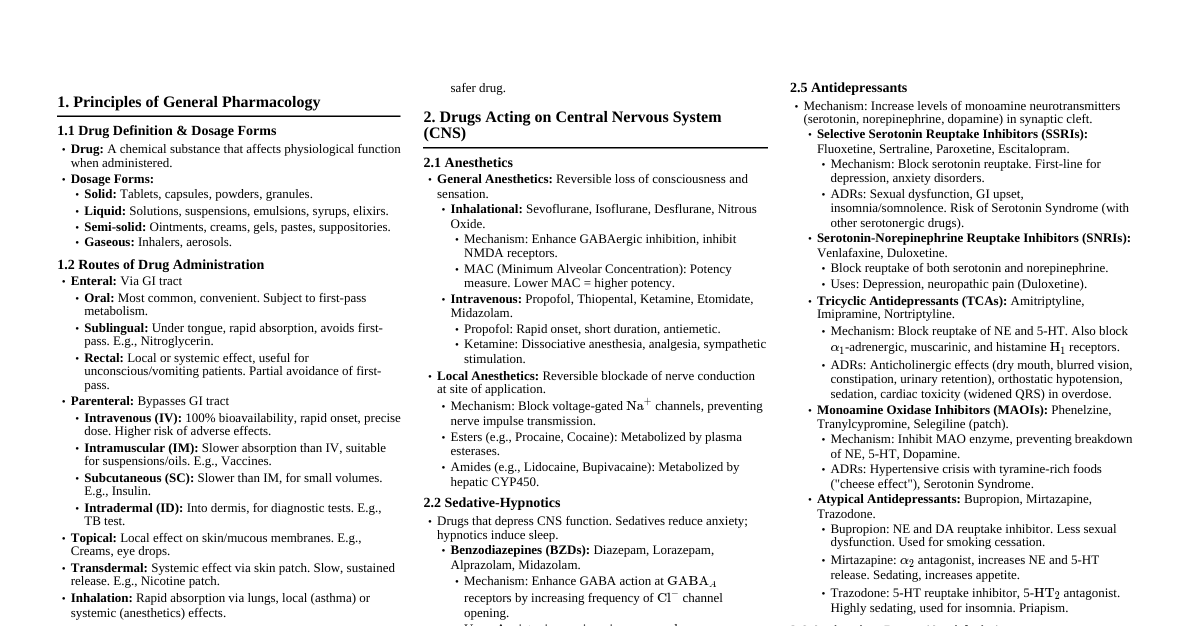
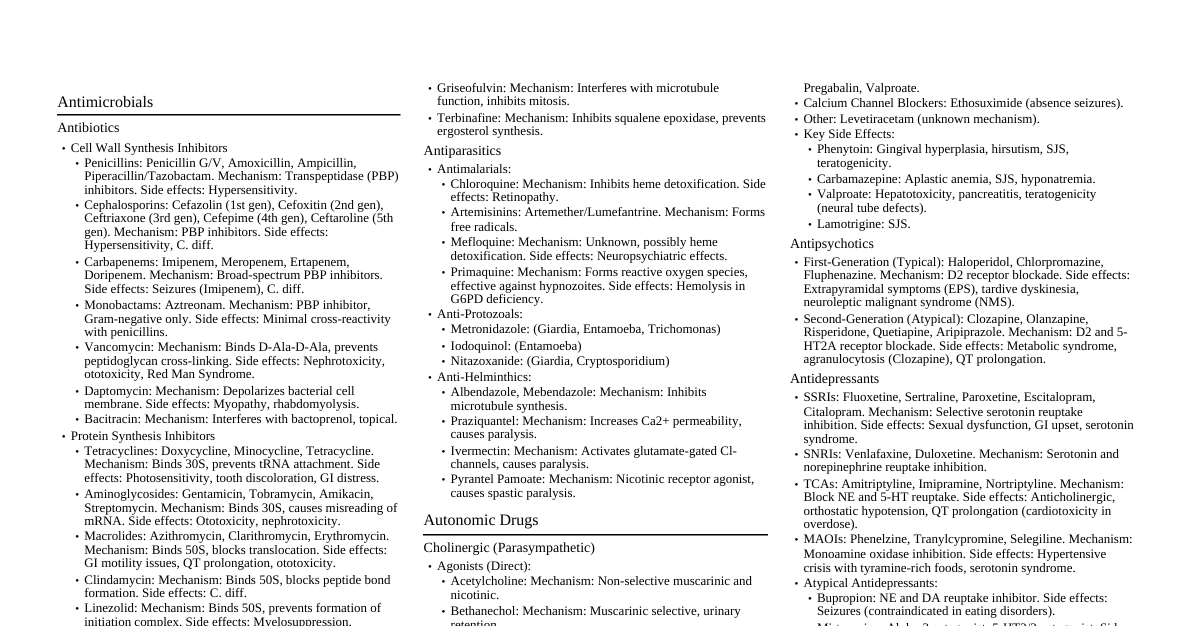
### Pharmacology Basics #### Pharmacokinetics - **Definition:** What the body does to the drug (Absorption, Distribution, Metabolism, Excretion - ADME). - **Absorption:** Movement of drug from site of administration into bloodstream. Factors: route, drug solubility, pH, blood flow. - **Distribution:** Movement of drug from bloodstream into tissues. Factors: blood flow, protein binding, tissue affinity. - **Metabolism (Biotransformation):** Chemical alteration of drugs by enzymes (mainly in liver). Converts lipid-soluble drugs into water-soluble metabolites for excretion. - **Excretion:** Elimination of drugs/metabolites from the body (kidneys, liver, lungs, sweat, breast milk). #### Pharmacodynamics - **Definition:** What the drug does to the body (mechanism of action, therapeutic and adverse effects). - **Mechanism of Action:** How a drug produces its effect (receptor binding, enzyme inhibition, physical/chemical actions). - **Receptors:** Specific sites on cells where drugs bind to exert effects (agonists, antagonists). - **Dose-Response Relationship:** Relationship between drug dose and intensity of effect. #### Pharmacovigilance - **Definition:** Science and activities relating to the detection, assessment, understanding, and prevention of adverse effects or any other drug-related problems. - **Importance:** Ensures drug safety, identifies new adverse effects, improves patient care. - **Nursing Role:** Observing, documenting, and reporting adverse drug reactions. Educating patients about potential side effects. #### Principles of Therapeutics - **Definition:** Rational use of drugs to prevent or treat disease, considering patient-specific factors. - **Key Principles:** - Proper diagnosis. - Selection of appropriate drug. - Correct dose, route, frequency, duration. - Monitoring for efficacy and toxicity. - Individualizing therapy. - **Nursing Role:** Administering drugs safely, monitoring patient response, patient education, collaborating with healthcare team. #### Indian Pharmacopoeia - **Definition:** An official book containing a list of medicinal substances, formulae, and other standards of purity and strength for India, published by the Indian Pharmacopoeia Commission (IPC). - **Purpose:** Sets standards for identity, purity, strength, and quality of drugs manufactured and sold in India. It ensures the quality control of pharmaceutical products. - **Historical Context:** First published in 1955. Subsequent editions are regularly updated to include new drugs and revise existing monographs based on scientific advancements. - **Legal Status:** The standards prescribed in the Indian Pharmacopoeia are legally enforceable under the Drugs and Cosmetics Act, 1940 and Rules there under. - **Content:** Includes monographs over drug substances, dosage forms, excipients, and general chapters on analytical methods and tests. ### Gastrointestinal Drugs #### Emetics - **Definition:** Drugs that induce vomiting. - **Indication:** To remove noxious substances from the stomach rapidly in cases of certain poisonings (use is decreasing). - **Contraindication:** Corrosive poisons, petroleum distillates (risk of aspiration), unconscious patient, severe cardiac disease. - **Mechanism of Action:** Stimulate chemoreceptor trigger zone (CTZ) or directly irritate gastric mucosa. - **Example:** Ipecac syrup (though rarely used now). #### Antiemetics - **Definition:** Drugs used to prevent or treat nausea and vomiting. - **Classification:** - **Dopamine Antagonists:** Prochlorperazine, Metoclopramide. - **Serotonin (5-HT3) Antagonists:** Ondansetron, Granisetron. - **Antihistamines:** Promethazine, Dimenhydrinate. - **Anticholinergics:** Hyoscine (Scopolamine). - **Indication:** Chemotherapy-induced nausea and vomiting, post-operative nausea, motion sickness. - **Side Effects:** Drowsiness, dry mouth, constipation, extrapyramidal symptoms (dopamine antagonists). - **Nursing Role:** Assess effectiveness, monitor fluid & electrolyte balance, cautious administration to prevent aspiration, patient education on side effects. #### Laxatives and Purgatives - **Definition:** Drugs that promote bowel evacuation. Laxatives are milder (soften stool), purgatives are stronger (cause watery stool). - **Classification:** - **Bulk-forming:** Psyllium, Methylcellulose. - **Stool Softeners:** Docusate. - **Osmotic:** Lactulose, Polyethylene Glycol (PEG), Magnesium Hydroxide. - **Stimulant:** Bisacodyl, Senna. - **Lubricants:** Liquid paraffin. - **Indication:** Constipation, bowel preparation for procedures. - **Contraindication:** Abdominal pain of unknown origin, appendicitis, bowel obstruction. - **Mechanism of Action:** - Bulk-forming: Absorb water, increase stool bulk. - Stool softeners: Facilitate water and fat penetration into stool. - Osmotic: Draw water into the lumen. - Stimulant: Directly stimulate intestinal wall. - **Nursing Role:** Assess bowel function, encourage fluid intake, identify underlying cause of constipation, patient education on long-term use. #### Antacids and Anti-Peptic Ulcer Drugs - **Definition:** Agents that neutralize gastric acid or reduce its secretion. - **Classification:** - **Antacids:** Aluminum hydroxide, Magnesium hydroxide, Calcium carbonate, Sodium bicarbonate. - **H2 Receptor Blockers:** Ranitidine, Famotidine. - **Proton Pump Inhibitors (PPIs):** Omeprazole, Pantoprazole, Esomeprazole. - **Mucosal Protective Agents:** Sucralfate, Bismuth subsalicylate. - **Indication:** Peptic ulcers, GERD, dyspepsia. - **Mechanism of Action:** - Antacids: Neutralize stomach acid. - H2 Blockers: Block histamine H2 receptors on parietal cells, reducing acid secretion. - PPIs: Irreversibly inhibit proton pump, blocking final step of acid secretion. - Mucosal Protective: Form protective barrier over ulcer. - **Side Effects:** - Antacids: Constipation (Al), Diarrhea (Mg), electrolyte disturbances. - H2 Blockers: Headache, dizziness. - PPIs: Nausea, diarrhea, long-term use linked to bone fractures/C. difficile. - **Nursing Role:** Administer appropriately (e.g., antacids usually separate from other meds), monitor for relief/side effects, patient education on lifestyle modifications. #### Anti-diarrhea Drugs - **Definition:** Drugs that reduce the frequency and fluid content of stools. - **Classification:** - **Opioid-related:** Loperamide, Diphenoxylate. - **Adsorbents:** Kaolin-Pectin, Bismuth subsalicylate. - **Probiotics:** Lactobacillus species. - **Indication:** Symptomatic relief of diarrhea. - **Contraindication:** Infectious diarrhea (unless specific antibiotic given), pseudomembranous colitis. - **Mechanism of Action:** - Opioid-related: Decrease intestinal motility, increase absorption. - Adsorbents: Absorb toxins, irritants. - **Nursing Role:** Assess hydration status, monitor stool characteristics, education on fluid replacement and stopping drug if diarrhea is infectious/severe. ### Respiratory Drugs #### Anti-Asthmatics (Bronchodilators) - **Definition:** Drugs that relax the smooth muscles of the bronchi, widening the airways. - **Classification:** - **Beta-2 Adrenergic Agonists:** - **Short-acting (SABA):** Salbutamol (Albuterol) - rescue inhaler. - **Long-acting (LABA):** Salmeterol, Formoterol - maintenance. - **Anticholinergics:** Ipratropium, Tiotropium. - **Xanthine Derivatives:** Theophylline (less common due to narrow therapeutic index). - **Indication:** Asthma, COPD. - **Mechanism of Action:** - Beta-2 agonists: Stimulate beta-2 receptors, causing bronchodilation. - Anticholinergics: Block muscarinic receptors, preventing bronchoconstriction. - Xanthines: Inhibits phosphodiesterase, increases cAMP, causing bronchodilation. - **Side Effects:** Tremors, tachycardia, palpitations (beta-2 agonists); dry mouth (anticholinergics); nausea, insomnia, arrhythmias (theophylline). - **Nursing Role:** Correct inhaler technique education, monitoring for adverse effects, timing of administration. #### Anti-Tussive (Cough Suppressants) - **Definition:** Drugs that suppress the cough reflex. - **Classification:** - **Opioid:** Codeine, Dextromethorphan (non-opioid but acts on cough center). - **Non-opioid:** Benzonatate, Diphenhydramine. - **Indication:** Dry, unproductive cough that interferes with sleep or daily activities. - **Contraindication:** Productive cough (unless indicated), respiratory depression. - **Mechanism of Action:** Act on cough center in medulla (opioids, dextromethorphan) or anesthetize stretch receptors in respiratory tract (benzonatate). - **Nursing Role:** Assess type of cough, monitor for sedation/respiratory depression, patient education on potential side effects. #### Mucolytics - **Definition:** Drugs that decrease the viscosity of mucus. - **Example:** Acetylcysteine, Bromhexine. - **Indication:** Conditions with thick, tenacious mucus (e.g., COPD exacerbation, cystic fibrosis). - **Mechanism of Action:** Break disulfide bonds in mucoproteins, making mucus thinner and easier to expectorate. - **Nursing Role:** Encourage increased fluid intake, assess sputum characteristics, proper administration (nebulized vs oral). #### Bronchoconstrictor - **Note:** Generally, drugs are used to *prevent* bronchoconstriction or *cause* bronchodilation in respiratory diseases. Bronchoconstriction is a pathological state or an adverse effect. ### Cardiovascular Drugs #### Anti-Anginal Drugs - **Definition:** Drugs used to relieve or prevent anginal pain (chest pain due to myocardial ischemia). - **Classification:** - **Nitrates:** Nitroglycerin (sublingual, oral, IV, patch), Isosorbide dinitrate. - **Beta-Blockers:** Metoprolol, Atenolol. - **Calcium Channel Blockers (CCBs):** Nifedipine, Amlodipine (dihydropyridines); Verapamil, Diltiazem (non-dihydropyridines). - **Indication:** Stable angina, unstable angina, vasospastic angina. - **Mechanism of Action:** - Nitrates: Vasodilation (coronary and systemic), reducing preload and afterload, improving coronary blood flow. - Beta-blockers: Decrease heart rate, contractility, and blood pressure, reducing myocardial oxygen demand. - CCBs: Vasodilation (cardiac and systemic), reducing oxygen demand and increasing oxygen supply. - **Side Effects:** - Nitrates: Headache, dizziness, hypotension, flushing. - Beta-blockers: Bradycardia, fatigue, bronchospasm (non-selective). - CCBs: Dizziness, headache, peripheral edema, constipation (verapamil). - **Nursing Role:** Monitor vital signs (especially BP and HR), administer sublingual nitrates correctly (q5min x3 for acute attack), patient education on storage and potential side effects. #### Anti-Arrhythmic Drugs - **Definition:** Drugs used to prevent or treat cardiac arrhythmias (irregular heartbeats). - **Classification (Vaughan Williams):** - **Class I (Sodium Channel Blockers):** Procainamide, Lidocaine, Flecainide. - **Class II (Beta-Blockers):** Propranolol, Metoprolol. - **Class III (Potassium Channel Blockers):** Amiodarone, Sotalol. - **Class IV (Calcium Channel Blockers):** Verapamil, Diltiazem. - **Unclassified:** Adenosine, Digoxin. - **Indication:** Atrial fibrillation, supraventricular tachycardia (SVT), ventricular tachycardia. - **Side Effects:** Highly varied, often pro-arrhythmic (can cause new arrhythmias), hypotension, bradycardia, visual disturbances (amiodarone). - **Nursing Role:** ECG monitoring, vital sign assessment, careful observation for adverse effects, understanding drug interactions. #### Anti-Hypertensive Drugs - **Definition:** Drugs used to lower blood pressure. - **Classification:** - **Diuretics:** Thiazides (Hydrochlorothiazide), Loop (Furosemide), Potassium-sparing (Spironolactone). - **ACE Inhibitors:** Enalapril, Lisinopril, Ramipril. - **Angiotensin Receptor Blockers (ARBs):** Valsartan, Losartan. - **Beta-Blockers:** Metoprolol, Atenolol. - **Calcium Channel Blockers (CCBs):** Amlodipine, Nifedipine, Verapamil, Diltiazem. - **Alpha-Blockers:** Prazosin. - **Direct Vasodilators:** Hydralazine, Minoxidil. - **Indication:** Hypertension. - **Mechanism of Action:** - Diuretics: Increase sodium and water excretion, reducing blood volume. - ACEIs: Block angiotensin-converting enzyme, preventing formation of Angiotensin II (vasoconstrictor). - ARBs: Block Angiotensin II receptors. - Beta-Blockers: Decrease cardiac output, renin release. - CCBs: Relax vascular smooth muscle. - **Side Effects:** - Diuretics: Electrolyte imbalance, dehydration. - ACEIs: Cough, angioedema, hyperkalemia. - ARBs: Similar to ACEIs but no cough. - Beta-Blockers: Bradycardia, fatigue. - CCBs: Edema, headache. - **Nursing Role:** Monitor BP and HR, educate on lifestyle changes, adherence, monitoring for side effects (e.g., orthostatic hypotension). #### Coagulants and Anti-Coagulants - **Coagulants (Procoagulants):** - **Definition:** Drugs that promote blood clotting. - **Example:** Vitamin K1 (Phytonadione), Protamine Sulfate (antidote for heparin), Desmopressin. - **Indication:** Vitamin K deficiency, bleeding disorders, reversal of anticoagulants. - **Nursing Role:** Monitor for excessive clotting, administer carefully. - **Anti-Coagulants:** - **Definition:** Drugs that prevent blood clot formation. - **Classification:** - **Parenteral:** Heparin (unfractionated and low molecular weight - Enoxaparin). - **Oral:** Warfarin (Vitamin K antagonist), Direct Oral Anticoagulants (DOACs/NOACs - Dabigatran, Rivaroxaban, Apixaban). - **Indication:** Prevention/treatment of DVT, PE, stroke in atrial fibrillation. - **Mechanism of Action:** - Heparin: Enhances antithrombin activity. - Warfarin: Inhibits Vitamin K epoxide reductase (prevents synthesis of clotting factors). - DOACs: Directly inhibit specific clotting factors (e.g., Factor Xa or Thrombin). - **Side Effects:** Bleeding (major risk), thrombocytopenia (heparin). - **Nursing Role:** Monitor INR (warfarin), aPTT (heparin), patient education on bleeding precautions, diet (warfarin-Vitamin K foods), importance of adherence. #### Anti-Platelet Drugs - **Definition:** Drugs that inhibit platelet aggregation, preventing thrombus formation. - **Classification:** - **COX Inhibitors:** Aspirin. - **ADP Receptor Blockers:** Clopidogrel, Ticagrelor. - **Glycoprotein IIb/IIIa Inhibitors:** Abciximab (IV, acute settings). - **Indication:** Prevention of arterial thrombosis (MI, stroke), acute coronary syndromes. - **Mechanism of Action:** - Aspirin: Irreversibly inhibits COX-1, thus thromboxane A2 production. - ADP Blockers: Block P2Y12 receptor (ADP receptor) on platelets. - **Side Effects:** Bleeding, gastrointestinal upset (aspirin). - **Nursing Role:** Monitor for bleeding, patient education on symptoms of bleeding and not discontinuing without consulting doctor. #### Thrombolytics (Fibrinolytics) - **Definition:** Drugs that dissolve existing blood clots. - **Example:** Alteplase (tPA), Streptokinase (older). - **Indication:** Acute MI (if PCI not available), ischemic stroke (within window), massive PE. - **Contraindication:** Active bleeding, recent surgery, severe uncontrolled hypertension, hemorrhagic stroke. - **Mechanism of Action:** Convert plasminogen to plasmin, which breaks down fibrin clots. - **Side Effects:** **Major risk of bleeding (intracranial hemorrhage).** - **Nursing Role:** Strict patient selection, careful monitoring for bleeding (LOC changes), vital signs, neurological assessment. ### Endocrine and Metabolic Drugs #### Insulin - **Definition:** Hormone produced by the pancreas that regulates glucose metabolism. Used as a drug in diabetes mellitus. - **Classification:** - **Rapid-acting:** Lispro, Aspart. - **Short-acting:** Regular insulin. - **Intermediate-acting:** NPH. - **Long-acting:** Glargine, Detemir. - **Indication:** Type 1 Diabetes, Type 2 Diabetes (when oral agents insufficient), DKA, Hyperkalemia. - **Mechanism of Action:** Promotes glucose uptake by cells, glycogen synthesis, inhibits gluconeogenesis. - **Dose and Routes:** Subcutaneous injection (various regimens), IV (Regular insulin only, for emergencies). - **Side Effects:** Hypoglycemia (most common), lipodystrophy at injection site, weight gain. - **Nursing Role:** Proper injection technique education, blood glucose monitoring, recognizing and treating hypoglycemia, patient education on diet, exercise, and sick day management. #### Corticosteroids - **Definition:** Hormones produced by the adrenal cortex or synthetic analogs, possessing potent anti-inflammatory and immunosuppressive properties. - **Classification:** - **Glucocorticoids:** Prednisolone, Dexamethasone, Hydrocortisone. - **Mineralocorticoids:** Fludrocortisone. - **Indication:** Asthma, COPD, allergic reactions, autoimmune diseases, organ transplant, adrenal insufficiency. - **Mechanism of Action:** Bind to intracellular receptors, altering gene expression leading to anti-inflammatory effects, immunosuppression. - **Side Effects (long-term):** Cushing's syndrome, hyperglycemia, osteoporosis, increased infection risk, gastric ulcers, mood disturbances, adrenal suppression. - **Nursing Role:** Monitor blood glucose, BP, weight, signs of infection. Administer with food, educate on gradual tapering (to prevent adrenal crisis), and importance of bone health. #### Thyroid and Anti-Thyroid Drugs - **Thyroid Hormones:** - **Example:** Levothyroxine (synthetic T4). - **Indication:** Hypothyroidism. - **Nursing Role:** Administer on an empty stomach, measure TSH, educate on lifelong therapy. - **Anti-Thyroid Drugs:** - **Example:** Propylthiouracil (PTU), Methimazole (Carbimazole). - **Indication:** Hyperthyroidism (Grave's disease). - **Mechanism of Action:** Block synthesis of thyroid hormones. - **Side Effects:** Agranulocytosis (rare but serious), liver dysfunction. - **Nursing Role:** Monitor for signs of agranulocytosis (sore throat, fever), liver function tests. #### Estrogen and Progesterone - **Estrogen:** - **Definition:** Female sex hormone. - **Indication:** Hormone replacement therapy (HRT), contraception, hypogonadism. - **Side Effects:** Nausea, breast tenderness, increased risk of VTE, endometrial cancer (if unopposed). - **Progesterone:** - **Definition:** Female sex hormone. - **Indication:** Contraception, HRT, dysfunctional uterine bleeding. - **Combination (Oral Contraceptives):** - **Indication:** Contraception, menstrual cycle regulation. - **Nursing Role:** Educate on administration, missed doses, potential side effects, DVT risk. #### Iron and Vitamin K1 Supplementation - **Iron Supplementation:** - **Indication:** Iron deficiency anemia. - **Example:** Ferrous sulfate (oral), Iron dextran (parenteral). - **Side Effects:** Constipation, dark stools, GI upset (oral). - **Nursing Role:** Administer with Vitamin C for better absorption, warn about dark stools, don't take with milk/antacids. - **Vitamin K1 (Phytonadione):** - **Indication:** Vitamin K deficiency, warfarin overdose, prophylaxis in newborns. - **Mechanism of Action:** Essential for synthesis of clotting factors II, VII, IX, X. - **Nursing Role:** Monitor INR if used for warfarin reversal, check for bleeding. ### Obstetric Drugs #### Uterine Stimulants (Oxytocics) - **Definition:** Drugs that increase uterine contractility. - **Examples:** Oxytocin, Ergometrine/Methylergometrine, Prostaglandins (Misoprostol, Dinoprostone). - **Indication:** Induction/augmentation of labor, prevention/treatment of postpartum hemorrhage (PPH), incomplete abortion. - **Mechanism of Action:** - Oxytocin: Acts on oxytocin receptors in myometrium. - Ergometrine: Causes sustained uterine contractions. - Misoprostol: Prostaglandin E1 analog directly stimulates uterine contractions. - **Contraindication:** Fetal distress, abnormal fetal presentation, severe preeclampsia (ergometrine). - **Side Effects:** Uterine hyperstimulation, fetal distress, water intoxication (oxytocin); hypertension, nausea (ergometrine); diarrhea, fever (misoprostol). - **Nursing Role:** Close monitoring of uterine contractions, fetal heart rate, maternal vital signs. Administer IV oxytocin via pump with careful titration. #### Uterine Relaxants (Tocolytics) - **Definition:** Drugs used to suppress uterine contractions. - **Examples:** Ritodrine (Beta-2 agonist, less used now), Nifedipine (CCB), Indomethacin (NSAID), Atosiban (Oxytocin receptor antagonist), Magnesium Sulfate. - **Indication:** Preterm labor (to delay delivery), uterine hyperstimulation. - **Mechanism of Action:** - Nifedipine: Reduces calcium influx in uterine smooth muscle. - Indomethacin: Inhibits prostaglandin synthesis. - **Side Effects:** Maternal tachycardia, tremors (beta-agonists); flushing, headache (nifedipine). - **Nursing Role:** Monitor maternal and fetal vital signs, assess for side effects, fluid status. ### Analgesics and Anesthetics #### Analgesics (NSAIDs) - **Definition:** Non-steroidal anti-inflammatory drugs. Relieve pain, inflammation, and fever. - **Examples:** Ibuprofen, Naproxen, Diclofenac, Aspirin (at anti-inflammatory doses), Celecoxib (COX-2 selective). - **Indication:** Mild to moderate pain, inflammation (arthritis), fever, dysmenorrhea. - **Mechanism of Action:** Inhibit cyclooxygenase (COX) enzymes, reducing prostaglandin synthesis. COX-1 (protective), COX-2 (inflammatory). - **Side Effects:** Gastrointestinal upset, ulcers, bleeding, renal dysfunction, increased cardiovascular risk (especially COX-2 selective). - **Nursing Role:** Administer with food, monitor for GI bleeding, renal function, patient education on avoiding overdose and interactions. #### General Anesthetics - **Definition:** Drugs that produce reversible loss of consciousness and sensation during surgery. - **Classification:** - **Inhalational:** Sevoflurane, Isoflurane, Desflurane. - **Intravenous:** Propofol, Ketamine, Thiopental, Etomidate. - **Indication:** Surgical procedures. - **Mechanism of Action:** Modulate neuronal activity in CNS, increasing inhibitory neurotransmission (GABA) and decreasing excitatory. - **Side Effects:** Respiratory depression, cardiovascular depression, nausea/vomiting, malignant hyperthermia (rare, inhalational). - **Nursing Role:** Pre-operative assessment, monitoring vital signs and level of consciousness intra/post-operatively, secure airway, manage post-op nausea/pain. #### Local Anesthetics - **Definition:** Drugs that produce reversible loss of sensation in a localized area without loss of consciousness. - **Examples:** Lidocaine, Bupivacaine, Procaine. - **Indication:** Minor surgical procedures, dental procedures, nerve blocks, epidural anesthesia. - **Mechanism of Action:** Block sodium channels in nerve membranes, preventing nerve impulse conduction. - **Side Effects:** Systemic toxicity if absorbed systemically (seizures, cardiac depression), allergic reactions. - **Nursing Role:** Proper administration technique, monitor for signs of systemic toxicity, ensure patient comfort and safety. ### Central Nervous System Drugs #### Hypnotics and Sedatives - **Definition:** - **Sedatives:** Reduce excitability and calm the patient without inducing sleep. - **Hypnotics:** Induce sleep (produce drowsiness and facilitate onset/maintenance of sleep). - **Classification:** - **Benzodiazepines:** Diazepam, Lorazepam (both sedative and hypnotic). - **"Z-drugs" (Non-benzodiazepine hypnotics):** Zolpidem, Zopiclone. - **Barbiturates:** Phenobarbital (used less due to narrow therapeutic index and high abuse potential). - **Indication:** Insomnia, anxiety, pre-anesthetic medication, seizures, alcohol withdrawal. - **Mechanism of Action:** Enhance the effect of GABA (inhibitory neurotransmitter) in the brain. - **Side Effects:** Drowsiness, dizziness, dependence/withdrawal symptoms, respiratory depression (especially with overdose). - **Nursing Role:** Administer at bedtime, assess sleep patterns, monitor for respiratory depression, educate on risks of dependence and avoiding alcohol. #### Anti-Psychotics - **Definition:** Drugs used to treat psychotic disorders (e.g., schizophrenia, bipolar disorder). - **Classification:** - **First-Generation (Typical):** Haloperidol, Chlorpromazine. Primarily block D2 dopamine receptors. - **Second-Generation (Atypical):** Risperidone, Olanzapine, Clozapine, Quetiapine. Block D2 dopamine and 5-HT2A serotonin receptors. - **Indication:** Schizophrenia, bipolar disorder, severe agitation. - **Side Effects:** - **Typical:** Extrapyramidal symptoms (EPS - dystonia, akathisia, parkinsonism, tardive dyskinesia), sedation. - **Atypical:** Metabolic syndrome (weight gain, hyperglycemia, dyslipidemia), sedation, agranulocytosis (clozapine). - **Nursing Role:** Monitor for EPS and metabolic side effects, administer long-acting injectables, ensure medication adherence, patient education. #### Anti-Depressants - **Definition:** Drugs used to treat depressive disorders. - **Classification:** - **SSRIs (Selective Serotonin Reuptake Inhibitors):** Fluoxetine, Sertraline, Escitalopram. - **SNRIs (Serotonin-Norepinephrine Reuptake Inhibitors):** Venlafaxine, Duloxetine. - **TCAs (Tricyclic Antidepressants):** Amitriptyline, Imipramine. - **MAOIs (Monoamine Oxidase Inhibitors):** Phenelzine, Selegiline. (Rarely used due to drug/food interactions). - **Atypicals:** Bupropion, Mirtazapine. - **Indication:** Major depressive disorder, anxiety disorders, OCD, chronic pain. - **Mechanism of Action:** Increase levels of neurotransmitters (serotonin, norepinephrine, dopamine) in the synaptic cleft. - **Side Effects:** GI upset, sexual dysfunction, insomnia/sedation, anticholinergic effects (TCAs), **serotonin syndrome (with overdose or interactions).** - **Nursing Role:** Monitor for suicidal ideation (especially initially), educate on slow onset of action (2-4 weeks), importance of adherence, side effects, and avoiding abrupt discontinuation. #### Anti-Anxiety (Anxiolytics) - **Definition:** Drugs used to treat anxiety disorders. - **Examples:** Benzodiazepines (Diazepam, Lorazepam), Buspirone, SSRIs/SNRIs (also used long-term). - **Indication:** Generalized anxiety disorder, panic disorder, social anxiety. - **Mechanism of Action:** Benzodiazepines enhance GABA. Buspirone acts on serotonin receptors. - **Side Effects:** Sedation, dizziness, dependence (benzodiazepines). - **Nursing Role:** Similar to hypnotics/sedatives for benzodiazepines. Educate on non-pharmacological methods for anxiety. #### Anti-Convulsants (Anti-Epileptic Drugs - AEDs) - **Definition:** Drugs used to prevent or control seizures. - **Examples:** Phenytoin, Carbamazepine, Valproate, Lamotrigine, Levetiracetam, Gabapentin. - **Indication:** Epilepsy, bipolar disorder, neuropathic pain. - **Mechanism of Action:** Suppress abnormal neuronal firing by various mechanisms (e.g., sodium channel blockade, GABA potentiation, calcium channel modulation). - **Side Effects:** Sedation, dizziness, ataxia, gingival hyperplasia (phenytoin), blood dyscrasias, liver toxicity, teratogenicity (valproate). - **Nursing Role:** Monitor for drug levels (for some AEDs), observe for seizure activity, educate patient on adherence, avoiding abrupt discontinuation, and potential side effects. ### Anti-Infectives #### Penicillin - **Definition:** A class of beta-lactam antibiotics. - **Examples:** Penicillin G, Amoxicillin, Ampicillin, Piperacillin. - **Indication:** Streptococcal infections, syphilis, some staphylococcal infections. - **Mechanism of Action:** Inhibit bacterial cell wall synthesis. - **Side Effects:** Allergic reactions (rash, anaphylaxis), GI upset, diarrhea. - **Nursing Role:** Always check for penicillin allergy history before administration, observe for allergic reactions. #### Broad Spectrum Antibiotics - **Definition:** Antibiotics effective against a wide range of bacteria (both Gram-positive and Gram-negative). - **Examples:** Amoxicillin-Clavulanate, Cephalosporins (e.g., Cefixime, Cefuroxime), Carbapenems (e.g., Meropenem), Fluoroquinolones (e.g., Ciprofloxacin). - **Indication:** Empirical treatment of infections before definitive diagnosis, mixed infections. - **Side Effects:** GI upset, C. difficile infection, fungal superinfections, rash, renal/hepatic effects. - **Nursing Role:** Administer as prescribed (full course), monitor for superinfections, C. difficile, assess for signs of therapeutic effect and adverse reactions. #### Aminoglycosides - **Examples:** Gentamicin, Amikacin. - **Indication:** Severe Gram-negative bacterial infections (often synergistic with beta-lactams). - **Mechanism of Action:** Inhibit bacterial protein synthesis. - **Side Effects:** **Ototoxicity (hearing loss, vertigo), Nephrotoxicity (kidney damage).** - **Nursing Role:** Monitor peak/trough drug levels, renal function tests (creatinine), audiograms. Ensure adequate hydration. #### Sulphonamides - **Examples:** Sulfamethoxazole-Trimethoprim (Co-trimoxazole). - **Indication:** UTIs, P. jirovecii pneumonia. - **Mechanism of Action:** Inhibit folic acid synthesis in bacteria. - **Side Effects:** Hypersensitivity reactions (rash, Stevens-Johnson syndrome), crystalluria, photosensitivity, bone marrow suppression. - **Nursing Role:** Ensure adequate hydration to prevent crystalluria, monitor for rash/allergic reactions, patient education regarding photosensitivity. #### Macrolides - **Examples:** Azithromycin, Erythromycin, Clarithromycin. - **Indication:** Respiratory tract infections, atypical pneumonia, STIs (Chlamydia), penicillin allergy alternative. - **Mechanism of Action:** Inhibit bacterial protein synthesis. - **Side Effects:** GI upset (erythromycin), QT prolongation, hepatotoxicity, taste disturbance. - **Nursing Role:** Administer to reduce GI upset (with food if not contraindicated), monitor for cardiac arrhythmias, patient education on adherence. #### Anti-Tubercular Drugs - **Definition:** Drugs used to treat tuberculosis. Often used in combination due to resistance. - **First-line Examples:** Isoniazid (INH), Rifampicin, Pyrazinamide, Ethambutol. - **Indication:** Active TB, latent TB. - **Side Effects (major):** - INH: Peripheral neuropathy (give B6), hepatotoxicity. - Rifampicin: Hepatotoxicity, red/orange discoloration of body fluids, drug interactions. - Pyrazinamide: Hepatotoxicity, hyperuricemia. - Ethambutol: Optic neuritis (visual disturbances). - **Nursing Role:** Directly Observed Therapy (DOT) for adherence, monitor liver function tests, vision testing (ethambutol), educate on body fluid discoloration (rifampicin), and importance of completing full course. #### Anti-Malarial Drugs - **Definition:** Drugs used to treat and prevent malaria. - **Examples:** Chloroquine, Artemisinins (Artemether-Lumefantrine), Doxycycline, Mefloquine. - **Indication:** Treatment of malaria, prophylaxis for travelers. - **Mechanism of Action:** Various, depending on drug (e.g., inhibit heme detoxification in parasite). - **Side Effects:** GI upset, visual disturbances (chloroquine), psychiatric effects (mefloquine). - **Nursing Role:** Educate on proper dosing for prophylaxis/treatment, report any unusual side effects, adherence. #### Anti-Retroviral Drugs (ARVs) - **Definition:** Drugs used to treat HIV infection. Always used in combination (HAART). - **Classes:** Nucleoside Reverse Transcriptase Inhibitors (NRTIs), Non-Nucleoside Reverse Transcriptase Inhibitors (NNRTIs), Protease Inhibitors (PIs), Integrase Strand Transfer Inhibitors (INSTIs), Entry Inhibitors. - **Indication:** HIV infection. - **Mechanism of Action:** Target different stages of the HIV life cycle. - **Side Effects:** Highly varied, GI upset, rash, lipodystrophy, nephrotoxicity, hepatotoxicity. - **Nursing Role:** Strict adherence counseling, management of complex side effects, nutritional support, psychological support. #### Anti-Fungal Drugs - **Definition:** Drugs used to treat fungal infections. - **Classification:** - **Polyenes:** Amphotericin B (IV, severe systemic infections), Nystatin (topical/oral swish and swallow). - **Azoles:** Fluconazole, Ketoconazole, Miconazole (topical). - **Echinocandins:** Caspofungin. - **Indication:** Superficial fungal infections (skin, mucous membranes), systemic fungal infections. - **Side Effects:** - Amphotericin B: Nephrotoxicity, infusion reactions ("shake and bake"). - Azoles: Hepatotoxicity, drug interactions. - **Nursing Role:** Pre-medication for Amphotericin B, slow IV infusion, monitor renal function, liver function tests, educate on proper topical application. ### Topical Applications #### Eye (Ophthalmic) - **Examples:** Antibiotic drops (Gentamicin, Ciprofloxacin), Beta-blockers (Timolol for glaucoma), Corticosteroids (Dexamethasone), Artificial tears. - **Nursing Role:** Proper instillation technique (pull lower lid, drop into conjunctival sac), avoid touching tip to eye, press lacrimal duct to prevent systemic absorption, warn against sharing. #### Ear (Otic) - **Examples:** Antibiotic drops (Ciprofloxacin-Dexamethasone), Wax softeners (Docusate), Antifungal drops. - **Nursing Role:** Warm drops to body temperature, straighten ear canal (up & back for adults, down & back for children), keep head tilted for a few minutes. #### Nose (Nasal) - **Examples:** Decongestants (Oxymetazoline), Corticosteroids (Fluticasone), Saline sprays. - **Nursing Role:** Proper head positioning, avoid overuse of decongestants (rebound congestion), clear nasal passages before use. #### Buccal Cavity - **Examples:** Nystatin (oral suspension for thrush), Benzocaine (anesthetic for sore throat/mouth), Chlorhexidine (antiseptic mouthwash). - **Nursing Role:** For oral suspension, instruct patient to swish and swallow, ensure contact with affected areas; educate on not eating/drinking for a short time after. ### Fluid, Electrolyte & Renal Drugs #### Renin-Angiotensin System (RAS) Inhibitors - **ACE Inhibitors:** Captopril, Enalapril, Lisinopril, Ramipril. - **Mechanism:** Block ACE, preventing Angiotensin II formation and decreasing aldosterone. - **Side Effects:** Dry cough, angioedema, hyperkalemia. - **Angiotensin Receptor Blockers (ARBs):** Losartan, Valsartan, Irbesartan. - **Mechanism:** Block AT1 receptors, preventing Angiotensin II effects. - **Side Effects:** Similar to ACEIs but less cough/angioedema. - **Indication:** Hypertension, heart failure, renal protection in diabetes. - **Nursing Role:** Monitor BP, renal function, potassium levels. Educate on cough/angioedema, avoiding potassium supplements. #### Diuretics - **Definition:** Drugs that increase urine output by increasing renal excretion of sodium and water. - **Classification:** - **Loop Diuretics:** Furosemide, Torsemide. (Most potent) - **Thiazide Diuretics:** Hydrochlorothiazide, Chlorthalidone. (First-line for hypertension) - **Potassium-Sparing Diuretics:** Spironolactone (aldosterone antagonist), Amiloride, Triamterene. - **Osmotic Diuretics:** Mannitol (IV, for cerebral edema). - **Indication:** Hypertension, heart failure, edema, acute kidney injury (mannitol). - **Mechanism of Action:** - Loop: Inhibit Na-K-2Cl co-transporter in Loop of Henle. - Thiazide: Inhibit Na-Cl co-transporter in distal convoluted tubule. - Potassium-sparing: Block aldosterone receptors or inhibit Na channels in collecting duct. - **Side Effects:** Electrolyte imbalance (hypokalemia with loop/thiazide, hyperkalemia with K-sparing), dehydration, orthostatic hypotension. - **Nursing Role:** Monitor fluid balance (I&O), weight, vital signs, electrolyte levels. Administer in morning, educate on potassium-rich foods (loop/thiazide) or avoiding them (K-sparing). #### Anti-Diuretics (ADH Analogs) - **Definition:** Drugs that reduce urine flow by increasing water reabsorption in the kidneys. - **Example:** Desmopressin (synthetic ADH/Vasopressin analog). - **Indication:** Diabetes Insipidus (central), nocturnal enuresis, hemophilia A/von Willebrand disease (promotes factor release). - **Mechanism of Action:** Acts on V2 receptors in renal collecting ducts, increasing water permeability. - **Side Effects:** Water intoxication (hyponatremia), headache, nasal irritation (nasal spray). - **Nursing Role:** Monitor urine output, specific gravity, serum sodium. Fluid restriction may be necessary. #### Electrolyte Replacement - **Examples:** - **Potassium Chloride (KCl):** Oral/IV for hypokalemia. - **Magnesium Sulfate (MgSO4):** Oral/IV for hypomagnesemia, pre-eclampsia/eclampsia, arrhythmias. - **Calcium Gluconate/Chloride:** IV for hypocalcemia, emergent hyperkalemia (cardioprotection), MgSO4 toxicity reversal. - **Indication:** Correct fluid and electrolyte imbalances. - **Nursing Role:** Careful calculation and administration rates (IV K+ and MgSO4 must be slow), monitor for signs of hypo/hyper-electrolytemia, ECG changes, deep tendon reflexes (MgSO4). ### Miscellaneous Drugs #### Anti-Pruritic Drugs - **Definition:** Drugs that relieve itching. - **Examples:** Antihistamines (Diphenhydramine, Hydroxyzine), Topical corticosteroids (Hydrocortisone cream), Calamine lotion, Menthol. - **Indication:** Allergic reactions, insect bites, eczema, skin rashes. - **Mechanism of Action:** Block histamine receptors (antihistamines), reduce inflammation (corticosteroids), provide local cooling/numbing. - **Side Effects:** Sedation (oral antihistamines), skin atrophy (prolonged topical steroids). - **Nursing Role:** Proper application of topical agents, advise on cool baths, avoid scratching, identify underlying cause of pruritus. #### Immunosuppressants - **Definition:** Drugs that suppress the immune response. - **Examples:** Cyclosporine, Tacrolimus, Azathioprine, Mycophenolate Mofetil, Corticosteroids. - **Indication:** Organ transplantation (to prevent rejection), autoimmune diseases (e.g., severe rheumatoid arthritis, lupus). - **Side Effects:** Increased risk of infection, nephrotoxicity, hepatotoxicity, hypertension, malignancy. - **Nursing Role:** Monitor for signs of infection, organ function tests (renal, liver), blood drug levels, educate on infection prevention, avoiding grapefruit juice (cyclosporine/tacrolimus). #### Chemotherapy Drugs - **Definition:** Drugs used to treat cancer by destroying cancer cells or inhibiting their growth. - **Classes:** Alkylating agents, Antimetabolites, Antitumor antibiotics, Topoisomerase inhibitors, Microtubule inhibitors, Targeted therapies (e.g., tyrosine kinase inhibitors), Immunotherapy (e.g., checkpoint inhibitors). - **Indication:** Various cancers. - **Mechanism of Action:** Interfere with DNA synthesis, cell division, or specific pathways essential for cancer cell growth. - **Side Effects:** Highly varied and severe; bone marrow suppression (myelosuppression), nausea/vomiting, alopecia, mucositis, fatigue, organ toxicities (e.g., cardiotoxicity, neurotoxicity). - **Nursing Role:** Administer according to protocols, manage side effects (antiemetics, growth factors), monitor blood counts, signs of infection/bleeding, provide extensive patient and family education, psychological support. #### Drugs Used in CPR (Cardiopulmonary Resuscitation) - **Examples:** - **Epinephrine (Adrenaline):** Vasoconstrictor, increases heart rate and contractility. - **Atropine:** Blocks vagal stimulation, increases heart rate (for symptomatic bradycardia). - **Amiodarone:** Class III antiarrhythmic (for ventricular fibrillation/tachycardia). - **Lidocaine:** Class I antiarrhythmic (alternative to amiodarone). - **Sodium Bicarbonate:** For severe metabolic acidosis (controversial). - **Calcium Chloride/Gluconate:** For hypocalcemia, hyperkalemia, calcium channel blocker overdose. - **Indication:** Cardiac arrest, specific arrhythmias. - **Nursing Role:** Rapid, accurate administration, continuous ECG monitoring, vital signs assessment, understanding algorithms (ACLS). #### Antidotes - **Definition:** Agents that counteract the effects of a poison or overdose. - **Examples:** - **Naloxone:** For opioid overdose. - **Flumazenil:** For benzodiazepine overdose. - **Protamine Sulfate:** For heparin overdose. - **Vitamin K:** For warfarin overdose. - **Acetylcysteine:** For paracetamol (acetaminophen) overdose. - **Atropine/Pralidoxime:** For organophosphate poisoning. - **Calcium Gluconate:** For magnesium sulfate toxicity. - **Nursing Role:** Timely administration, close monitoring of patient's response, supportive care (airway, breathing, circulation). #### Skeletal Muscle Relaxants - **Definition:** Drugs that reduce muscle spasm or spasticity. - **Classification:** - **Centrally acting (for acute muscle spasm):** Baclofen, Diazepam, Carisoprodol, Cyclobenzaprine. - **Directly acting (for spasticity):** Dantrolene. - **Indication:** Muscle spasms, spasticity from neurological conditions (MS, spinal cord injury), malignant hyperthermia (dantrolene). - **Side Effects:** Drowsiness, dizziness, muscle weakness, hepatotoxicity (dantrolene). - **Nursing Role:** Monitor for sedation/dizziness, assess muscle tone and spasm reduction, educate on avoiding alcohol. #### Opioids (Narcotic Analgesics) - **Definition:** Potent pain relievers that act on opioid receptors in the CNS. - **Examples:** Morphine, Fentanyl, Oxycodone, Codeine, Tramadol. - **Indication:** Moderate to severe pain, cough suppression (codeine), diarrhea (loperamide). - **Mechanism of Action:** Bind to opioid receptors (mu, kappa, delta) in brain and spinal cord, reducing pain perception. - **Side Effects:** **Respiratory depression**, sedation, constipation, nausea/vomiting, pruritus, dependence, tolerance. - **Nursing Role:** Frequent pain assessment, monitor respiratory rate and depth, administer naloxone for overdose, manage constipation, educate on addiction potential and safe storage.