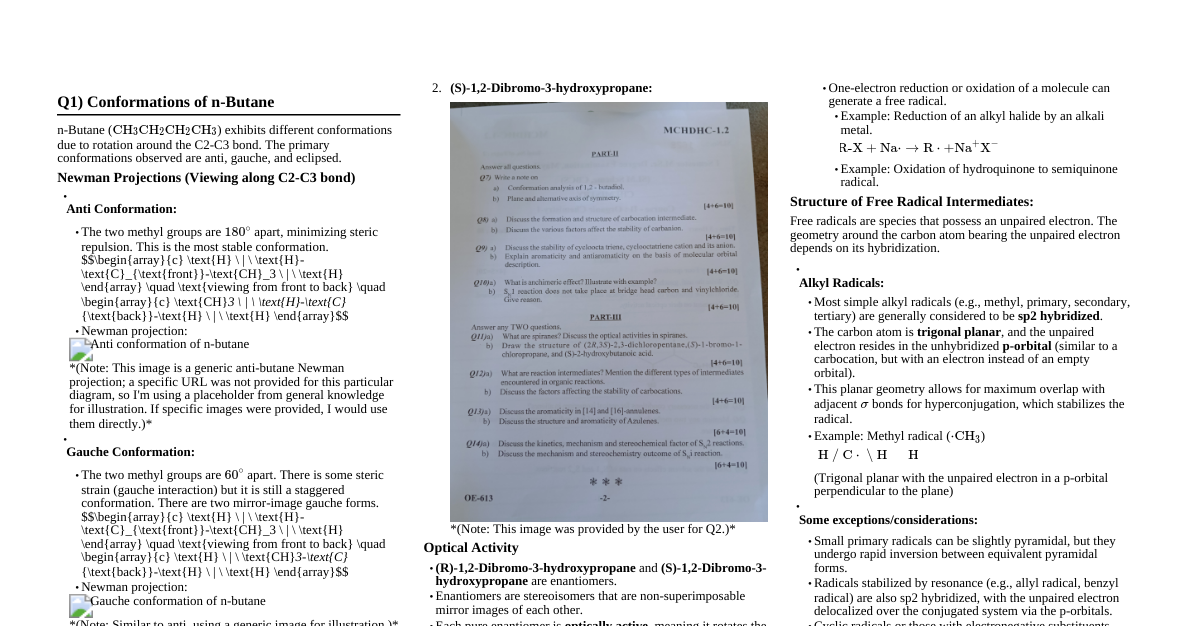
Generate answers for each question. Easc Answer for 10 marks.. Introduction definition main body example conclusion.. This is the structure . O
Cheatsheet Content
### 1. The Role of Urban Economics in Understanding Cities (10 Marks) **Introduction:** Urban economics is a specialized branch of economics that focuses on the spatial organization and economic activities of cities. It applies economic principles to understand how and why cities develop, function, and grow, analyzing the economic forces that shape urban areas. Its scope encompasses land use, transportation, housing, local government finance, and urban problems such as poverty and pollution. **Definition:** At its core, urban economics seeks to explain the location decisions of firms and households, the structure of urban areas, and the economic interactions that occur within them. It utilizes microeconomic tools to analyze markets for urban land, labor, and capital, and macroeconomic perspectives to understand the role of cities in regional and national development. **Main Body:** Urban economics provides a framework for understanding several critical aspects of cities: * **Location Theory:** It explains why certain economic activities cluster in specific areas, leading to the formation of cities. Factors like access to markets, raw materials, labor, and transportation networks are key. Early models, such as Von Thünen's agricultural land use model and Christaller's Central Place Theory, laid the groundwork for understanding spatial organization and the hierarchy of urban centers. * **Land Use and Rent:** The field analyzes how competition for limited urban land drives land prices (rents) and influences land use patterns. High accessibility to the city center typically commands higher rents, leading to intensive land uses like commercial buildings, while less accessible areas are used for residential or extensive purposes. * **Transportation:** Urban economics examines the interplay between transportation costs, urban form, and accessibility. Efficient transportation systems reduce commuting costs and expand the effective size of cities, influencing where people live and work. Conversely, congestion poses significant economic costs. * **Agglomeration Economies:** A central concept is the idea that the concentration of economic activity in cities generates benefits (agglomeration economies) that outweigh the costs. These include: * **Localization Economies:** Benefits arising from the clustering of firms in the same industry (e.g., Silicon Valley for tech). This allows for specialized labor pools, shared infrastructure, and knowledge spillovers. * **Urbanization Economies:** Benefits from the overall size and diversity of a city, benefiting firms across various industries (e.g., diverse labor markets, variety of services, broader knowledge spillovers). These economies explain why firms and workers are willing to pay higher rents and accept congestion to be located in cities. * **Urban Problems and Policy:** Urban economics also addresses critical urban challenges like poverty, inequality, environmental degradation, and inadequate public services. It informs policy interventions aimed at improving urban quality of life, promoting equitable development, and ensuring sustainable growth. **Example:** Consider the growth of a major metropolitan area like Mumbai. Urban economics would analyze how its historical port location fostered trade, leading to agglomeration economies in finance, manufacturing, and services. The intense competition for land drives high property values, resulting in vertical development (skyscrapers) and influencing the spatial distribution of residential areas, often far from employment centers, necessitating extensive transportation networks. The challenges of informal settlements (slums) and resource management are also subjects of urban economic analysis, informing policies for affordable housing and infrastructure development. **Conclusion:** In essence, urban economics provides the analytical tools to dissect the complex dynamics of cities. By understanding the economic rationale behind urban form, growth, and challenges, policymakers can design more effective strategies for urban planning, infrastructure investment, and social welfare, ultimately fostering more resilient and prosperous urban environments. ### 2. Main Challenges Faced by Cities According to Urban Economics (10 Marks) **Introduction:** While cities are engines of economic growth and innovation, their rapid expansion and high density inevitably give rise to a range of complex challenges. Urban economics provides a framework for analyzing these issues, often stemming from market failures, externalities, and the tension between economic efficiency and social equity. Understanding these challenges is crucial for developing sustainable urban policies. **Definition:** From an urban economic perspective, challenges are often viewed as the negative externalities or diseconomies of agglomeration that arise when the benefits of urban concentration are not adequately managed or distributed. These can include resource depletion, infrastructure strain, social disparities, and environmental degradation, which impose costs on urban residents and the economy. **Main Body:** Cities face numerous interconnected challenges: * **Traffic Congestion:** As populations and economic activities concentrate, transportation networks become overloaded. Congestion leads to wasted time, increased fuel consumption, higher transportation costs for businesses, and increased pollution. It's a classic example of a negative externality where individual car use imposes costs on society. * **Housing Affordability:** High demand for limited urban land drives up housing prices and rents, making it difficult for low- and middle-income households to afford housing. This can lead to spatial mismatch (jobs away from affordable housing), increased commuting, and the growth of informal settlements (slums). Restrictive zoning regulations can exacerbate this problem by limiting housing supply. * **Environmental Degradation:** Urban activities generate significant pollution (air, water, noise) and waste. High energy consumption, industrial emissions, and inadequate waste management systems degrade environmental quality, impacting public health and ecosystems. This is a major externality of industrial and consumption patterns. * **Inadequate Infrastructure:** Rapid urban growth often outpaces the development of essential infrastructure, including water supply, sanitation, electricity, public transport, and social services (schools, hospitals). This creates bottlenecks, reduces quality of life, and hinders economic productivity. * **Urban Poverty and Inequality:** Despite being centers of wealth creation, cities often exhibit stark income disparities. Urban poverty can be concentrated in specific neighborhoods, leading to social exclusion, limited access to opportunities, and higher crime rates. This can arise from job market changes, lack of education, and discriminatory practices. * **Resource Scarcity:** Concentrated populations place immense pressure on natural resources such as water, land, and energy. Over-extraction of groundwater, reliance on distant water sources, and energy-intensive lifestyles become critical issues, especially in the face of climate change. * **Waste Management:** The sheer volume and complexity of waste generated by urban populations pose significant challenges for collection, treatment, and disposal. Inadequate waste management contributes to pollution, health hazards, and land scarcity for landfills. **Example:** Consider a megacity like Jakarta. Its explosive growth has led to severe traffic congestion, costing billions in lost productivity and fuel. Housing prices are exorbitant, pushing many into informal settlements vulnerable to flooding. The city faces critical water scarcity and air pollution issues due to industrialization and vehicle emissions. The challenge of managing waste from over 10 million people is immense, often leading to overflowing landfills and environmental contamination. Urban economics would analyze these as direct consequences of agglomeration without sufficient planning and investment in public goods and environmental regulations. **Conclusion:** The challenges faced by cities are multifaceted and often interlinked, representing the "diseconomies of scale" that can counteract the benefits of urban life. Urban economics provides the analytical tools to diagnose these problems, identify their root causes (often market failures), and propose policy solutions, such as congestion pricing, inclusive zoning, public transport investment, and environmental regulations, to foster more sustainable and equitable urban futures. ### 3. Why Cities Act as Centers of Economic Growth and Innovation (10 Marks) **Introduction:** Cities have historically been, and continue to be, epicenters of economic activity, wealth creation, and groundbreaking innovation. This phenomenon is not accidental but rather a result of powerful economic forces that are amplified by urban density and diversity. Urban economics provides a robust explanation for why cities possess this unique capacity. **Definition:** The primary mechanism through which cities foster economic growth and innovation is **agglomeration economies**. These are the benefits that firms and workers receive by locating near one another in densely populated areas. These economies reduce costs, increase productivity, and facilitate the exchange of ideas, leading to a virtuous cycle of growth and innovation. **Main Body:** Several key factors explain why cities are centers of growth and innovation: * **Agglomeration Economies (Detailed):** * **Localization Economies:** These benefits accrue to firms within the same industry that cluster together. Examples include: * **Specialized Labor Pools:** A concentration of skilled workers in a specific industry reduces search costs for firms and provides workers with more job opportunities. * **Shared Infrastructure:** Firms can share specialized infrastructure (e.g., research labs, port facilities, specific machinery) and support services (e.g., legal, accounting, marketing) tailored to their industry. * **Knowledge Spillovers:** Proximity facilitates the informal exchange of ideas, best practices, and technological advancements among competitors and collaborators. This is crucial for innovation. * **Urbanization Economies:** These benefits arise from the overall size and diversity of a city, benefiting firms across various industries. Examples include: * **Larger and More Diverse Labor Markets:** Cities offer a wide range of skills, allowing firms to find suitable employees and workers to find jobs that match their talents. * **Access to a Wide Variety of Intermediate Inputs and Services:** Firms can easily source specialized goods and services from other businesses within the city, reducing transaction costs. * **Enhanced Consumer Markets:** A large urban population provides a substantial market for goods and services, allowing firms to achieve economies of scale. * **Increased Competition:** The presence of many firms fosters competition, which can drive innovation and efficiency. * **Reduced Transportation and Communication Costs:** By bringing people and businesses closer together, cities drastically reduce the costs associated with moving goods, people, and information. This efficiency enhances productivity and facilitates rapid interaction, essential for collaborative innovation. * **Knowledge Spillovers and Idea Exchange:** The high density of skilled individuals and diverse industries in cities creates an environment ripe for the serendipitous exchange of ideas. Face-to-face interactions, informal meetings, and the "buzz" of urban life foster creativity and the cross-pollination of concepts that lead to innovation. This is often cited as a key reason for the clustering of tech firms or creative industries. * **Specialized Institutions and Infrastructure:** Cities are home to universities, research institutions, financial centers, and cultural organizations that support economic activity and innovation. These institutions provide education, capital, and a stimulating environment for intellectual development. * **Entrepreneurial Ecosystems:** The dense networks of venture capitalists, mentors, incubators, and startups in cities create dynamic entrepreneurial ecosystems that support the formation and growth of new businesses. **Example:** Consider Silicon Valley. It began with the clustering of semiconductor manufacturers (localization economies) which attracted specialized engineers and venture capital. Over time, this ecosystem fostered the growth of software, internet, and biotechnology companies (urbanization economies). The constant movement of skilled labor between companies, informal networking events, and the presence of Stanford University and UC Berkeley have created unparalleled knowledge spillovers, making it a global hub for technological innovation. Firms are willing to pay high rents and salaries to be part of this dynamic environment. **Conclusion:** Cities are not merely collections of buildings; they are complex economic organisms where density and diversity generate powerful agglomeration economies. These economies reduce costs, enhance productivity, and, most importantly, facilitate the rapid exchange of knowledge and ideas, making cities the unparalleled engines of economic growth and innovation in the modern world. ### 4. Key Functions of Cities in Urban Economics (10 Marks) **Introduction:** Cities are multifaceted entities that serve various critical functions for their inhabitants and the broader regional and national economies. From an urban economics perspective, these functions are not merely descriptive but are rooted in efficiency gains and economic rationales that drive the formation and sustenance of urban centers. Understanding these functions is fundamental to comprehending urban structure and policy. **Definition:** The key functions of cities, as described in urban economics, refer to the primary economic and social roles that urban areas fulfill, often arising from the benefits of spatial concentration and specialization. These functions explain why individuals and firms choose to locate in cities despite the associated costs. **Main Body:** Cities perform several interconnected key functions: * **Centers of Production and Employment:** This is perhaps the most fundamental economic function. Cities concentrate a diverse range of industries, from manufacturing and services to finance and technology. This concentration provides a vast labor market for workers and a large pool of potential employees for firms. Agglomeration economies (localization and urbanization) make production more efficient in cities, leading to higher productivity and output. * **Markets for Goods and Services:** Cities serve as major consumer markets due to their high population density. This allows businesses to achieve economies of scale in production and distribution, offering a wider variety of goods and services at potentially lower prices than in rural areas. Specialized retail, entertainment, and cultural amenities also thrive in cities due to sufficient demand. * **Hubs of Innovation and Knowledge Exchange:** As discussed previously, cities are crucibles of innovation. The close proximity of skilled labor, diverse industries, research institutions, and universities facilitates knowledge spillovers, informal interactions, and the rapid diffusion of new ideas and technologies. This makes cities critical for technological advancement and economic dynamism. * **Transportation and Logistics Nodes:** Historically, many cities developed at strategic locations for trade and transportation (e.g., ports, river junctions, railway hubs). Today, cities remain critical nodes in global and regional transportation networks, serving as distribution centers for goods and gateways for people. Efficient infrastructure for logistics is a key urban function. * **Administrative and Political Centers:** Many cities serve as capitals or major administrative centers for regions, states, or nations. This function involves housing government offices, judicial systems, and political institutions. This concentration of public services also creates demand for support industries and employment. * **Social and Cultural Centers:** Beyond purely economic roles, cities provide a rich social and cultural environment. They offer diverse educational opportunities, healthcare facilities, and a wide array of cultural attractions (theaters, museums, music venues). This quality of life factor attracts residents and contributes to human capital development. * **Financial Centers:** Major cities often concentrate financial services, including banking, investment, insurance, and stock exchanges. The need for face-to-face interaction, trust, and rapid information flow has historically favored the clustering of financial institutions. **Example:** Consider London. It functions as a global financial center (production, employment, financial hub), attracting banks, investment firms, and a highly skilled workforce. Its historical role as a port and its extensive transport network make it a logistics node. It's a massive market for diverse goods and services, from luxury retail to specialized consultancies. Furthermore, it's a hub for cultural innovation, with countless theaters, museums, and universities, fostering knowledge exchange and attracting talent globally. Its role as the UK's capital also cements its administrative function. **Conclusion:** The various functions of cities are interdependent and mutually reinforcing, creating a dynamic environment that drives economic prosperity and societal advancement. Urban economics emphasizes that these functions are not accidental but are the logical outcome of individuals and firms seeking to maximize utility and profits by leveraging the efficiencies and opportunities afforded by urban concentration. ### 5. Urban Development Models and Their Use in City Planning (10 Marks) **Introduction:** Urban development models are theoretical constructs designed to explain and predict the spatial structure and growth patterns of cities. These models simplify complex urban realities to highlight key economic forces, land use interactions, and transportation influences. For city planners, these models are invaluable tools, offering frameworks for understanding current urban forms and guiding future development strategies. **Definition:** Urban development models are conceptual frameworks that illustrate how land use, population distribution, and economic activities are organized within an urban area, often emphasizing factors like transportation costs, land rents, and accessibility. They provide a simplified representation of the spatial dynamics of cities. **Main Body:** The basic idea behind urban development models revolves around explaining the observed patterns of urban land use and population density. Early models, primarily from the Chicago School of Urban Sociology and later refined by urban economists, posited that economic forces, particularly land rent and transportation costs, are the primary drivers of urban form. **Key Ideas:** * **Bid-Rent Theory:** A core concept across many models is the bid-rent curve. This theory suggests that different land users (e.g., commercial, industrial, residential) have varying willingness-to-pay for land at different distances from the city center (or other key nodes). Land users with higher accessibility needs and lower transportation costs (e.g., commercial businesses) can afford higher rents closer to the center, while those with lower accessibility needs or higher transportation costs (e.g., extensive agriculture, low-density housing) locate further out. This competition for land shapes the spatial distribution of activities. * **Minimizing Costs/Maximizing Utility:** Firms aim to minimize production and transportation costs, while households aim to maximize utility (balancing housing costs, commuting costs, and access to amenities). These optimization decisions, aggregated across many actors, generate urban patterns. * **Impact of Transportation:** Changes in transportation technology significantly alter urban form. Early models assumed a single central business district (CBD) due to high transportation costs. Improvements in transport (e.g., streetcars, automobiles) allowed cities to expand and develop more complex, multi-centered structures. **Major Models (Brief Overview):** 1. **Concentric Zone Model (Burgess, 1925):** Proposes that cities grow outwards in concentric rings from a central business district (CBD), with distinct land uses in each zone based on bid-rent competition. 2. **Sector Model (Hoyt, 1939):** Suggests that cities develop in sectors (wedges) rather than rings, with high-rent residential areas, for example, extending outwards along specific transportation routes or desirable corridors. 3. **Multiple Nuclei Model (Harris & Ullman, 1945):** Argues that cities develop around several distinct nuclei or centers of activity, rather than a single CBD, especially in larger, more complex cities. **Use in City Planning:** Urban development models serve several crucial purposes for city planners: * **Understanding Existing Urban Structure:** They provide a conceptual lens through which planners can analyze and interpret the current spatial organization of their city, identifying the dominant forces that have shaped its growth. * **Forecasting Future Growth:** By understanding the underlying economic drivers, planners can make informed projections about future land use needs, population distribution, and infrastructure demands. For example, if a model predicts continued outward expansion due to low transportation costs, planners can anticipate the need for new suburban infrastructure. * **Informing Zoning and Land Use Policies:** Models help justify zoning regulations that designate specific areas for commercial, residential, or industrial use, often reflecting the bid-rent gradients. They can guide decisions on where to permit high-density development versus low-density. * **Infrastructure Planning:** Understanding where populations and economic activities are likely to concentrate allows planners to strategically locate and design transportation networks, utilities, and public services to efficiently serve residents and businesses. * **Addressing Urban Problems:** By identifying the economic roots of issues like urban sprawl, congestion, or housing unaffordability, planners can devise targeted interventions. For instance, understanding the monocentric model's implications might lead to policies promoting mixed-use development or public transit to counter sprawl. * **Evaluating Policy Impacts:** Models can be used to simulate the potential impacts of different planning policies (e.g., investment in a new transit line, changes in density regulations) on land use patterns, traffic, and housing markets. **Example:** A city planning department might use the core principles of bid-rent theory to explain why their city's downtown has expensive high-rise offices and retail, while single-family homes are in the periphery. When planning a new light rail line, they might use insights from the Sector Model to predict that high-density residential development will likely extend along this new transit corridor, leading to rezoning efforts around new stations to accommodate growth and encourage transit-oriented development. They would then plan for associated public services like schools and parks in these areas. **Conclusion:** Urban development models, though simplifications, offer powerful insights into the economic forces shaping cities. For city planners, they are not rigid blueprints but flexible analytical tools that aid in comprehending urban dynamics, anticipating future trends, and formulating effective policies for sustainable, efficient, and equitable urban development. ### 6. Main Features of the Concentric Zone Model (10 Marks) **Introduction:** The Concentric Zone Model, proposed by sociologist Ernest Burgess in 1925, is one of the earliest and most influential urban land use models. Developed based on his observations of Chicago, it describes an idealized pattern of urban growth where a city expands outwards from its central area in a series of concentric rings, each characterized by distinct land uses and social characteristics. **Definition:** The Concentric Zone Model posits that cities grow in a series of five concentric zones, with each zone exhibiting a different dominant land use and socio-economic profile, determined primarily by competition for land and accessibility to the Central Business District (CBD). **Main Body:** The model outlines five distinct zones, radiating outwards from the city center: 1. **Zone 1: Central Business District (CBD):** * **Features:** This is the innermost ring, the economic and civic heart of the city. It's characterized by the highest land values, most intensive land use (skyscrapers), and high accessibility. * **Activities:** Contains major retail stores, financial institutions, corporate offices, government buildings, theaters, and other specialized services. Residential population is typically low, consisting mainly of transient workers or high-income residents in luxury apartments. * **Economic Rationale:** Firms located here benefit most from agglomeration economies, face-to-face interactions, and access to the largest customer base and transportation networks, allowing them to pay the highest rents. 2. **Zone 2: Zone of Transition:** * **Features:** Surrounding the CBD, this zone is characterized by a mix of land uses. It's an area of constant change and often deterioration, as commercial and industrial expansion from the CBD encroaches upon older residential areas. * **Activities:** Contains light manufacturing, warehouses, small businesses, and low-income residential areas (often tenements or inner-city slums). It's typically home to new immigrant groups and transient populations seeking affordable housing near employment. * **Economic Rationale:** Land values are still relatively high, making it unsuitable for stable residential use but attractive for businesses that benefit from proximity to the CBD and cheap labor. Residential areas are often in decline due to uncertainty about future land use and lack of investment. 3. **Zone 3: Zone of Independent Workingmen's Homes (Inner Suburbs):** * **Features:** This zone houses stable working-class families who have escaped the deterioration of the Zone of Transition but still require relatively easy access to employment in the CBD or Zone of Transition. * **Activities:** Predominantly residential, consisting of older, modest but well-kept homes. It's often characterized by a strong sense of community and ethnic enclaves. * **Economic Rationale:** Residents here can afford slightly better housing and a short commute, representing a step up from the Zone of Transition. 4. **Zone 4: Zone of Better Residences (Middle-Class Suburbs):** * **Features:** This zone comprises newer, more spacious homes for middle-class families. It is further away from the CBD, offering more space and a higher quality of life, often at the cost of a longer commute. * **Activities:** Primarily residential, with single-family homes, often with gardens. It may include local retail centers and schools. * **Economic Rationale:** Households here have higher incomes and are willing to trade off longer commutes for larger homes and better residential amenities. 5. **Zone 5: Commuter's Zone (Outer Suburbs/Exurbs):** * **Features:** The outermost ring, often extending beyond the city limits. Residents in this zone commute daily to the CBD or other employment centers. * **Activities:** Large, detached single-family homes on spacious lots, reflecting lower land costs further from the city. May also include small towns or villages that have become dormitory communities. * **Economic Rationale:** Residents here prioritize space, tranquility, and lower land costs, accepting the highest commuting costs and longest travel times. **Assumptions and Criticisms:** * **Assumptions:** The model assumes a flat, uniform land surface, a single CBD, and that all residents have equal access to transportation. It also assumes a largely monocentric city structure driven by transportation costs and land rents. * **Criticisms:** * **Simplistic:** It oversimplifies complex urban realities and doesn't account for geographical barriers (rivers, hills), multiple employment centers (polycentric cities), or the impact of cultural and historical factors. * **Outdated:** The rise of the automobile and decentralized employment centers has significantly altered urban form, making the strict concentric pattern less applicable to many modern cities. * **Neglects Social Factors:** While it describes social patterns, it is primarily driven by economic factors and less by social preferences or political decisions. **Example:** While Chicago in Burgess's time was a primary example, a simplified application might be seen in many older industrial cities where a clear CBD is surrounded by older industrial areas and low-income housing, gradually transitioning to more affluent residential zones further out. For instance, an older European city might show a similar pattern, with the historic core as the CBD, surrounded by 19th-century industrial areas and working-class housing, then progressing to 20th-century suburbs. **Conclusion:** The Concentric Zone Model, despite its limitations and age, remains a foundational concept in urban studies. It offers a powerful, albeit simplified, illustration of how economic competition for land, driven by accessibility to a central point, can shape the spatial organization and social stratification within a city. It provides a useful starting point for understanding urban structure before considering more complex, polycentric models. ### 7. The Monocentric City Model and Economic Activities (10 Marks) **Introduction:** The Monocentric City Model is a fundamental framework in urban economics that provides a simplified, yet powerful, explanation for the spatial organization of a city. It posits that all employment and economic activities are concentrated in a single Central Business District (CBD), and residential land use patterns are determined by the trade-off between housing costs and commuting costs. **Definition:** The Monocentric City Model suggests that economic activities, particularly employment, are concentrated at a single point (the CBD) within a city. Residential location decisions are then made by households balancing the cost of commuting to the CBD against the lower land rents available further away from the center. **Main Body:** The core suggestion of the monocentric city model regarding the location of economic activities is that **all employment and commercial activities are solely concentrated in the Central Business District (CBD).** This assumption is crucial for the model's mechanics and its ability to explain observed urban patterns. **Key Implications for Economic Activities:** 1. **Centralization of Employment:** * **Agglomeration Economies:** The model implicitly assumes strong agglomeration economies (localization and urbanization economies) that make it highly beneficial for firms to cluster together in the CBD. These benefits include access to a large labor pool, specialized services, shared infrastructure, and face-to-face interactions critical for business. * **Minimizing Transportation Costs for Firms:** By locating in the CBD, firms aim to minimize transportation costs for inputs (e.g., raw materials, intermediate goods) and outputs (e.g., distribution to customers). More importantly, they minimize the sum of their employees' commuting costs, which can be implicitly passed on through wages. * **Information Exchange:** Historically, before advanced telecommunications, face-to-face interaction was paramount for many businesses (finance, law, consulting). The CBD facilitated this crucial information exchange. 2. **Bid-Rent Curve for Commercial Land Use:** * Because the CBD offers the highest accessibility and the strongest agglomeration benefits, commercial and industrial firms are willing to pay the highest land rents in this area. * As distance from the CBD increases, these advantages diminish, and thus, the willingness to pay for land rent by commercial enterprises decreases sharply. This creates a steep commercial bid-rent curve. 3. **Impact on Residential Location (Secondary Effect):** * Since all jobs are in the CBD, households must commute to this central point. * Households face a trade-off: live closer to the CBD with higher land rents (and thus smaller housing units) but lower commuting costs and time, or live further from the CBD with lower land rents (and thus larger housing units) but higher commuting costs and time. * This trade-off generates a residential bid-rent curve that slopes downwards from the CBD, with higher density housing closer to the center and lower density housing further out. This explains why land use shifts from commercial to high-density residential, then to lower-density residential as one moves away from the CBD. 4. **Specialized Land Use within the CBD:** * Even within the CBD, different types of commercial activities might locate based on their specific needs for accessibility and interaction. For example, financial services might cluster at the very core, while retail might be slightly more dispersed but still central. **Assumptions of the Model:** * A single employment center (CBD). * A homogenous landscape (flat, uniform). * A single mode of transportation with costs increasing with distance. * Households with identical preferences and incomes. * All commuters travel to the CBD. **Limitations and Evolution:** While highly influential, the strict monocentric assumption is less applicable to many modern cities, which have evolved into **polycentric** structures with multiple employment centers (e.g., suburban office parks, edge cities). The rise of the automobile, telecommuting, and the decentralization of manufacturing have weakened the pull of a single CBD. However, the model's core logic of bid-rent theory and the trade-off between accessibility and land costs remains highly relevant for explaining land use patterns around any significant employment node. **Example:** In a classic monocentric city example like early 20th-century New York or Chicago, Manhattan's financial district (Wall Street) or Chicago's Loop would be the CBD. All major businesses, financial institutions, and specialized retail would be concentrated there. Workers from all parts of the city would commute daily to these central areas. Residential areas would become progressively less dense and more affordable as one moved further away, with the highest density (apartments) closest to the CBD and single-family homes in the outer rings. **Conclusion:** The Monocentric City Model fundamentally suggests that economic activities are concentrated in a single CBD due to the powerful benefits of agglomeration and the desire to minimize firm-level and aggregate commuting costs. This centralization of employment then drives the spatial pattern of residential land use. While modern cities are often more complex, the model's insights into the relationship between accessibility, land rent, and the clustering of economic activities remain foundational to urban economic theory. ### 8. Significance of Urban Planning for Sustainable Urban Development (10 Marks) **Introduction:** Urban planning is a critical discipline that guides the physical, social, and economic development of cities. In the context of achieving sustainable urban development, its significance is paramount. Sustainable urban development aims to meet the needs of the present generation without compromising the ability of future generations to meet their own needs, encompassing environmental, social, and economic dimensions. Urban planning provides the strategic framework to balance these often-competing objectives. **Definition:** Urban planning, in the context of sustainable urban development, refers to the systematic process of envisioning, designing, and managing the future growth and evolution of urban areas to ensure long-term environmental integrity, social equity, and economic vitality for all residents, both present and future. **Main Body:** The significance of urban planning in achieving balanced and sustainable urban development stems from its ability to proactively manage growth, mitigate negative externalities, and foster resilient communities: 1. **Managing Land Use and Preventing Sprawl:** * **Significance:** Unplanned growth often leads to urban sprawl, characterized by low-density, car-dependent development that consumes agricultural land, increases infrastructure costs, and contributes to environmental degradation. Urban planning, through zoning and land use regulations, directs growth to appropriate areas, promotes compact and mixed-use development, and preserves open spaces. * **Sustainability Link:** Reduces ecological footprint, protects biodiversity, and optimizes infrastructure investment, making development more environmentally and economically sustainable. 2. **Optimizing Resource Use and Infrastructure:** * **Significance:** Planning ensures that essential infrastructure (water, sanitation, energy, transport) is developed efficiently and equitably. It can promote the use of renewable energy, water conservation, and waste reduction strategies at a city-wide scale. * **Sustainability Link:** Minimizes resource depletion, reduces pollution, and enhances the resilience of urban systems to environmental shocks, contributing to environmental sustainability. 3. **Promoting Efficient Transportation Systems:** * **Significance:** A well-planned city prioritizes public transport, cycling, and walking over private vehicle use. This reduces traffic congestion, air pollution, and reliance on fossil fuels. Planning for transit-oriented development (TOD) can cluster development around transit nodes. * **Sustainability Link:** Improves air quality, reduces carbon emissions, saves energy, and enhances public health, directly addressing environmental and social sustainability goals. 4. **Fostering Social Equity and Inclusion:** * **Significance:** Planning can address issues of social segregation and inequality by promoting affordable housing, ensuring access to public services (schools, healthcare, parks) for all income groups, and designing inclusive public spaces. It can also involve community participation in decision-making. * **Sustainability Link:** Creates more cohesive, just, and resilient communities, which is a cornerstone of social sustainability. 5. **Enhancing Environmental Quality and Resilience:** * **Significance:** Urban planning incorporates green infrastructure (parks, urban forests, permeable surfaces) to manage stormwater, reduce urban heat island effects, and improve air quality. It guides development away from vulnerable areas and integrates climate change adaptation and mitigation strategies. * **Sustainability Link:** Protects ecosystems, mitigates climate change impacts, and enhances the city's ability to withstand environmental shocks, crucial for long-term environmental sustainability. 6. **Stimulating Economic Vitality:** * **Significance:** By creating well-connected, functional, and attractive urban environments, planning can foster a favorable business climate, attract investment, and create employment opportunities. It can identify and protect areas for economic development while ensuring compatibility with other land uses. * **Sustainability Link:** Supports a robust and diversified economy that can provide livelihoods for residents without undermining environmental or social capital. **Example:** Curitiba, Brazil, is often cited as a prime example of sustainable urban planning. Through its integrated land use and transportation planning, it developed a highly efficient bus rapid transit (BRT) system that is integrated with zoning regulations to encourage high-density development along transit corridors. This reduced car dependency, preserved green areas, and provided affordable public transport, leading to lower pollution, improved quality of life, and economic efficiency—a holistic approach to sustainable development guided by planning. **Conclusion:** Urban planning is indispensable for achieving sustainable urban development because it offers the strategic foresight and regulatory tools to manage the intricate balance between economic growth, social well-being, and environmental protection. Without effective planning, cities risk unchecked sprawl, resource depletion, social fragmentation, and a diminished quality of life, compromising their long-term viability and the well-being of future generations. ### 9. Meaning of Urban Growth and Reasons for City Expansion in Modern Economies (10 Marks) **Introduction:** Urban growth is a defining characteristic of the modern era, with an increasing proportion of the global population residing in cities. This phenomenon is not merely an increase in population size but a complex process involving demographic, economic, social, and spatial transformations. Understanding its meaning and the underlying drivers is crucial for managing its implications. **Definition:** **Urban growth** refers to the increase in the population and/or physical extent of urban areas. From an economic perspective, it signifies the expansion of economic activities, infrastructure, and built environment within cities, often driven by a shift of resources (labor, capital) from rural to urban sectors. **Main Body:** **Meaning of Urban Growth:** Urban growth can manifest in several ways: * **Population Growth:** An increase in the number of people living in urban areas, driven by natural increase (births exceeding deaths), rural-to-urban migration, and international migration. * **Spatial Expansion (Urban Sprawl):** The outward physical expansion of cities into surrounding rural areas, often characterized by low-density residential and commercial development. * **Economic Growth:** An increase in the economic output, employment opportunities, and diversity of economic activities within urban centers. * **Infrastructure Development:** The expansion and upgrading of urban infrastructure, such as transportation networks, housing, utilities, and public services, to accommodate a growing population and economy. * **Social and Cultural Transformation:** Changes in urban lifestyles, social structures, and cultural diversity as cities grow and attract diverse populations. **Why Cities Continue to Expand in Modern Economies:** The expansion of cities in modern economies is primarily driven by powerful economic forces and societal shifts: 1. **Agglomeration Economies (Primary Driver):** * **Detailed Explanation:** As discussed previously, cities offer significant benefits to firms and workers by concentrating economic activity. Firms benefit from specialized labor markets, shared infrastructure, access to a wide range of suppliers and customers, and knowledge spillovers (localization and urbanization economies). Workers benefit from a wider array of job opportunities, higher wages, and access to diverse goods and services. These efficiencies and opportunities attract more firms and people, leading to growth. * **Modern Relevance:** In knowledge-based and service economies, the importance of face-to-face interaction and the rapid exchange of ideas for innovation is even more pronounced, reinforcing the pull of cities. 2. **Rural-to-Urban Migration:** * **Detailed Explanation:** In many developing economies, the mechanization of agriculture and limited rural opportunities push people towards cities in search of better employment, higher wages, and access to education, healthcare, and social services. Even in developed economies, cities often attract talent from smaller towns. * **Modern Relevance:** This remains a significant factor, particularly in rapidly industrializing nations, as cities become perceived as gateways to upward mobility. 3. **Natural Population Increase:** * **Detailed Explanation:** While migration is often the most visible aspect of urban growth, the natural increase of existing urban populations (births exceeding deaths) also contributes significantly to city expansion. * **Modern Relevance:** As urban populations mature, natural increase becomes a more dominant factor in overall growth. 4. **Technological Advancements:** * **Detailed Explanation:** * **Transportation:** Improvements in transportation (e.g., mass transit, personal automobiles) have reduced commuting times and costs, allowing cities to expand physically over larger areas (urban sprawl) while maintaining connections to employment centers. * **Communication:** While telecommunication might seem to reduce the need for physical proximity, it often complements face-to-face interaction, making it easier to manage complex, geographically dispersed operations from an urban base. * **Modern Relevance:** While technology can enable decentralization, the benefits of in-person collaboration for high-value activities often keep firms and workers anchored in cities. 5. **Specialization and Division of Labor:** * **Detailed Explanation:** Cities facilitate a greater degree of economic specialization and division of labor. This allows for increased productivity and efficiency, as individuals and firms can focus on specific tasks or products, leading to a more complex and robust urban economy. * **Modern Relevance:** The globalized economy demands highly specialized services, which are predominantly found and developed in major urban centers. 6. **Public Services and Amenities:** * **Detailed Explanation:** Cities often offer a superior range and quality of public services (education, healthcare, public safety) and cultural amenities (arts, entertainment, recreation) compared to rural areas. This enhances the quality of life and attracts residents. * **Modern Relevance:** For many, the lifestyle and opportunities afforded by cities are significant draws, beyond just economic considerations. **Example:** A country like India is experiencing massive urban growth. Its cities like Bangalore and Hyderabad are expanding rapidly due to agglomeration economies in the IT sector, attracting millions of migrants from rural areas seeking better job prospects. This population influx drives demand for housing and infrastructure, leading to both vertical growth (high-rises) and outward sprawl. While technology allows some remote work, the clustering of tech companies and skilled professionals in these cities continues to fuel their expansion due to the unmatched benefits of collaboration and market access. **Conclusion:** Urban growth is a complex, multi-faceted process driven primarily by the powerful economic magnet of agglomeration economies, which offer unparalleled opportunities for employment, innovation, and specialization. Coupled with demographic shifts and technological advancements, these forces ensure that cities continue to expand and play a central role in modern economies, despite the challenges that accompany such rapid development. ### 10. Main Economic Factors Driving Urban Growth in Developing Countries (10 Marks) **Introduction:** Urban growth in developing countries is a phenomenon of unprecedented scale and speed, often occurring at a much faster pace than in developed nations. While general economic principles of urban growth apply, specific socio-economic and structural conditions in developing contexts amplify certain factors, making them particularly potent drivers of urbanization. Understanding these factors is crucial for effective policy-making in these nations. **Definition:** In developing countries, urban growth is primarily driven by a combination of strong "push" factors from rural areas (poverty, lack of opportunities) and powerful "pull" factors from cities (economic opportunities, better services), amplified by structural economic transformations like industrialization and globalization. **Main Body:** The main economic factors driving urban growth in developing countries are distinct and often more acute than in developed nations: 1. **Industrialization and Manufacturing Growth:** * **Detailed Explanation:** Many developing countries are undergoing or have recently undergone a process of industrialization. Factories and manufacturing plants, often located in or near cities, create numerous employment opportunities, attracting a large influx of rural migrants seeking work. These industries benefit from urban agglomeration economies like access to labor, markets, and infrastructure. * **Impact:** This shift from agrarian to industrial economies is a fundamental driver, as agricultural productivity improvements (sometimes due to mechanization) reduce the demand for rural labor, pushing people to cities. 2. **Service Sector Expansion:** * **Detailed Explanation:** As economies develop, the service sector (e.g., finance, retail, healthcare, education, tourism, IT) expands rapidly. These services are inherently urban-centric due to their need for large consumer bases, specialized labor, and advanced infrastructure. This creates a wide array of white-collar and informal service jobs in cities. * **Impact:** The growth of the service sector provides diverse employment opportunities beyond manufacturing, sustaining urban growth even after initial industrialization phases. 3. **Rural-to-Urban Migration Driven by Poverty and Limited Opportunities:** * **Detailed Explanation ("Push" Factors):** Rural areas in developing countries often suffer from high levels of poverty, limited access to land, environmental degradation, lack of basic services (education, healthcare), and vulnerability to natural disasters. These factors "push" people out of their rural homes. * **Detailed Explanation ("Pull" Factors):** Cities, despite their challenges, offer the perception and often the reality of better economic prospects, higher wages, and access to a wider range of social services and amenities. This strong "pull" factor is a primary driver of rapid urban population growth. * **Impact:** This migration is often characterized by young, working-age individuals, contributing to urban demographic dynamism. 4. **Informal Sector Employment:** * **Detailed Explanation:** A significant portion of urban employment in developing countries is in the informal sector (e.g., street vendors, casual labor, small-scale services). This sector requires low entry barriers, providing immediate, albeit often precarious, income opportunities for new migrants who may lack formal skills or education. * **Impact:** The informal sector acts as a crucial safety net and employment generator for the rapidly growing urban population, further attracting migrants. 5. **Infrastructure and Public Services Concentration:** * **Detailed Explanation:** Investments in infrastructure (roads, electricity, water, telecommunications) and public services (hospitals, universities) are typically concentrated in urban areas due to economies of scale and political prioritization. This makes cities more attractive places to live and do business. * **Impact:** The disparity in service provision between urban and rural areas strengthens the pull of cities. 6. **Globalization and Foreign Direct Investment (FDI):** * **Detailed Explanation:** Global economic integration often favors cities as gateways for international trade, investment, and technological transfer. Multinational corporations tend to locate their operations, particularly in manufacturing and services, in cities due to access to ports, airports, skilled labor, and established business networks. * **Impact:** FDI creates jobs and stimulates economic activity in specific urban centers, making them growth poles. **Example:** In Vietnam, cities like Ho Chi Minh City and Hanoi have experienced explosive growth. This is largely driven by the country's rapid industrialization, with numerous factories attracting millions of rural migrants. These migrants, many from impoverished farming regions, seek work in manufacturing or the burgeoning informal service sector. The cities also offer superior education and healthcare, which act as strong pull factors. Foreign investment in manufacturing and tech has further concentrated economic opportunities in these urban hubs, fueling their expansion. **Conclusion:** Urban growth in developing countries is propelled by a potent mix of rural "push" factors and urban "pull" factors, fundamentally rooted in economic transformations like industrialization and the expansion of the service sector. Agglomeration economies, the informal sector's role, and the concentration of infrastructure and global investment further cement cities as the primary engines of economic activity and population growth in these nations. ### 11. How Industrialization Contributes to the Process of Urban Growth (10 Marks) **Introduction:** Industrialization has historically been, and continues to be, one of the most powerful catalysts for urban growth worldwide. The shift from agrarian to industrial economies fundamentally alters the spatial distribution of populations and economic activities, leading to the rapid expansion and transformation of cities. This process is deeply rooted in the economic efficiencies and social changes brought about by factory production. **Definition:** Industrialization contributes to urban growth by creating a centralized demand for labor, raw materials, and markets, leading to the concentration of population and economic activities in urban centers. This process is driven by the economies of scale, specialization, and agglomeration benefits inherent in industrial production. **Main Body:** Industrialization contributes to urban growth through several interconnected mechanisms: 1. **Creation of Employment Opportunities (Pull Factor):** * **Detailed Explanation:** Factories and industrial complexes require a large, concentrated workforce. As industries develop, they generate numerous jobs, both skilled and unskilled, in manufacturing, assembly, and related support services. These jobs offer higher wages and more stable employment compared to traditional agricultural work. * **Impact:** This acts as a powerful "pull" factor, attracting large numbers of people from rural areas to cities in search of better economic prospects. 2. **Increased Agricultural Productivity (Push Factor):** * **Detailed Explanation:** Industrialization often brings technological advancements to agriculture (e.g., machinery, fertilizers). This increases agricultural productivity, meaning fewer workers are needed to produce the same amount of food. This surplus rural labor is then "pushed" out of the countryside. * **Impact:** The combination of rural push and urban pull leads to massive rural-to-urban migration, directly fueling urban population growth. 3. **Agglomeration Economies for Industries:** * **Detailed Explanation:** Industrial firms benefit significantly from locating near each other in cities. * **Access to Labor:** A large urban population provides a readily available labor pool. * **Access to Markets:** Cities offer a concentrated consumer market for manufactured goods. * **Access to Inputs:** Industries can easily source raw materials, intermediate goods, and specialized services from other firms located nearby. * **Shared Infrastructure:** Industrial areas can share common infrastructure like power, water, transportation networks (ports, rail hubs), and waste disposal facilities, reducing individual firm costs. * **Knowledge Spillovers:** Proximity can facilitate the exchange of technical knowledge and best practices among industrial firms. * **Impact:** These agglomeration benefits make urban locations economically advantageous for industries, leading to their clustering and further urban expansion. 4. **Development of Transportation Infrastructure:** * **Detailed Explanation:** Industrialization necessitates efficient transportation systems to move raw materials to factories and finished goods to markets. This leads to the development of ports, railways, roads, and later airports, which are typically concentrated in urban areas. * **Impact:** Improved transportation infrastructure further enhances the accessibility and attractiveness of cities for both industries and residents, facilitating both economic activity and commuting. 5. **Growth of Ancillary Services and Businesses:** * **Detailed Explanation:** The concentration of industries and a growing urban population creates demand for a wide range of ancillary services. These include retail, banking, housing construction, healthcare, education, and entertainment. This leads to the growth of the service sector within cities. * **Impact:** The diversification of the urban economy beyond just manufacturing provides additional employment and supports further urban growth. 6. **Capital Accumulation and Investment:** * **Detailed Explanation:** Industrial activities generate wealth and capital, which are often reinvested in urban infrastructure, housing, and further industrial expansion. Cities become centers of financial capital and investment. * **Impact:** This cycle of capital accumulation and reinvestment sustains and accelerates urban development. **Example:** The growth of Shenzhen, China, from a small fishing village to a megacity, is a prime example of industrialization-driven urban growth. Its designation as a Special Economic Zone attracted massive foreign investment in manufacturing (electronics, textiles). This created millions of factory jobs, drawing an enormous influx of migrant workers from rural China. The need for efficient supply chains and export routes led to the development of world-class port facilities and transportation networks. The wealth generated then fueled the growth of a massive service sector and high-rise residential development, transforming the city. **Conclusion:** Industrialization is a fundamental driver of urban growth because it fundamentally reconfigures economic landscapes. By centralizing employment opportunities, fostering agglomeration economies, stimulating infrastructure development, and creating both "push" and "pull" factors for migration, industrialization transforms rural populations into urban dwellers and agrarian societies into dynamic urban economies. ### 12. Role of Agglomeration Economies in the Expansion of Cities (10 Marks) **Introduction:** Agglomeration economies are arguably the most fundamental concept in urban economics, providing the primary explanation for why cities exist, why they grow, and why economic activities cluster. They represent the benefits that firms and individuals derive from locating in close proximity to one another, outweighing the costs associated with urban density. These benefits are central to understanding the expansion of cities. **Definition:** Agglomeration economies are the cost savings and productivity advantages that firms and workers accrue by locating in close geographical proximity within urban areas. These benefits arise from reduced transportation costs, shared labor pools, specialized infrastructure, and knowledge spillovers, thereby acting as a powerful magnet for the expansion of cities. **Main Body:** Agglomeration economies play a critical, multifaceted role in the expansion of cities: 1. **Reduced Transportation Costs:** * **Detailed Explanation:** By clustering, firms reduce the cost of transporting raw materials from suppliers, intermediate goods between different stages of production, and finished products to consumers. Similarly, workers reduce their commuting costs (time and money) to access jobs. * **Impact on Expansion:** Lower transportation costs increase the profitability of firms and the real wages of workers, making urban locations more attractive and encouraging more firms and people to move to the city, thus driving its expansion. 2. **Shared Labor Pools (Thick Labor Markets):** * **Detailed Explanation:** Cities offer deep and diverse labor markets. Firms can easily find workers with specialized skills, reducing search and recruitment costs. Workers, in turn, have a wider choice of employers, reducing the risk of unemployment and increasing opportunities for career advancement. * **Impact on Expansion:** This efficiency in matching employers and employees attracts both businesses seeking talent and individuals seeking employment, contributing to urban population and economic growth. 3. **Specialized Intermediate Inputs and Services:** * **Detailed Explanation:** A large urban economy can support a wide array of specialized firms that provide intermediate goods and services (e.g., legal, accounting, marketing, IT support, specialized machinery repair) to other businesses. These services would be uneconomical in less dense areas. * **Impact on Expansion:** Access to these specialized inputs reduces production costs and increases the productivity of urban firms, making cities more competitive and fostering further business growth and expansion. 4. **Knowledge Spillovers and Innovation:** * **Detailed Explanation:** Proximity facilitates the informal exchange of ideas, information, and innovations among individuals and firms. This "buzz" of urban life leads to serendipitous encounters, collaborative projects, and the rapid diffusion of new technologies and best practices. * **Impact on Expansion:** Cities become centers of innovation, attracting industries that rely on rapid technological advancement (e.g., tech, biotech). This fosters new business formation and job creation, driving economic and spatial expansion. 5. **Shared Infrastructure and Public Goods:** * **Detailed Explanation:** The high density of cities allows for the efficient provision of expensive public infrastructure (e.g., water supply, sewage systems, public transport networks, universities, hospitals) and private infrastructure (e.g., convention centers, specialized laboratories) that would be cost-prohibitive in dispersed areas. * **Impact on Expansion:** These shared facilities lower the per-capita cost of living and doing business, enhancing urban attractiveness and accommodating further growth. 6. **Economies of Scale in Consumption:** * **Detailed Explanation:** A large urban population supports a wider variety and greater depth of consumer goods, services, and cultural amenities (e.g., diverse restaurants, theaters, specialized retail) than smaller towns. * **Impact on Expansion:** This enhanced quality of life and consumer choice acts as a "pull" factor for residents, further contributing to urban population growth. **Types of Agglomeration Economies:** * **Localization Economies:** Benefits arising from the clustering of firms within the *same* industry (e.g., Silicon Valley for tech, financial districts). * **Urbanization Economies:** Benefits arising from the overall size and diversity of a city, benefiting firms across *different* industries (e.g., diverse labor pool, broad consumer market). **Example:** Consider the growth of a major financial hub like New York City or London. Banks, investment firms, law firms, accounting firms, and specialized IT support for finance all cluster in the same area. This creates a deep pool of financial talent (shared labor pool), allows for rapid face-to-face communication (knowledge spillovers), and provides access to a network of highly specialized legal and financial services (specialized inputs). The presence of stock exchanges and regulatory bodies further solidifies the benefits of this clustering. These immense agglomeration benefits make firms willing to pay extremely high rents to be in these locations, driving the continuous expansion of the financial district and the broader city. **Conclusion:** Agglomeration economies are the invisible hand shaping urban expansion. By generating significant cost savings, productivity advantages, and opportunities for innovation and specialization, they create a powerful magnetic pull that attracts both firms and individuals to cities. This self-reinforcing cycle of benefits continuously fuels the economic and physical expansion of urban areas, making them the dominant centers of economic activity in the modern world. ### 13. Intra-Urban Location Decisions in Urban Economics (10 Marks) **Introduction:** Intra-urban location decisions refer to the choices made by households and firms regarding where to situate themselves *within* a city. Unlike the decision to locate in a city versus a rural area, intra-urban decisions are about optimizing location given the constraints and opportunities presented by the specific urban environment. Urban economics provides a robust framework, primarily through bid-rent theory, to explain these complex choices. **Definition:** Intra-urban location decisions are the choices made by economic agents (households, firms) about their specific geographical placement within a city, driven by a trade-off between accessibility (and its associated costs/benefits) and land rent, with the goal of maximizing utility (for households) or profit (for firms). **Main Body:** Intra-urban location decisions are central to understanding the spatial structure of cities and are governed by the following key principles: 1. **The Bid-Rent Function/Curve:** * **Detailed Explanation:** This is the foundational concept. It represents the maximum rent per unit of land that a particular land user is willing to pay at various distances from a key activity center (e.g., the CBD, a major transport hub, or a commercial cluster). The bid-rent curve typically slopes downwards away from the center. * **Impact:** Different land users have different bid-rent curves based on their sensitivity to transport costs and their need for accessibility. This competition for land shapes the spatial segregation of activities. 2. **Trade-offs for Households:** * **Commuting Costs vs. Housing Costs:** Households face a fundamental trade-off. * **Closer to the CBD/Employment:** Lower commuting costs (time and money) but higher land rents, leading to smaller housing units or higher density living. * **Further from the CBD/Employment:** Higher commuting costs but lower land rents, allowing for larger housing units, more open space, or lower overall housing expenses. * **Amenities and Quality of Life:** Households also consider local amenities (schools, parks, safety, neighborhood character) and environmental quality in their location decisions. Higher-income households may be willing to pay more for better amenities and larger homes further from the CBD, while still accepting a longer commute. * **Income and Preferences:** Higher-income households tend to have steeper bid-rent curves for space but flatter ones for commuting, meaning they are more willing to trade off commuting for larger homes. Lower-income households are more sensitive to housing costs and may prioritize proximity to affordable housing or employment, even if it means smaller dwellings. 3. **Trade-offs for Firms:** * **Transportation Costs vs. Agglomeration Benefits:** Firms weigh the cost of transporting inputs and outputs against the benefits of locating near other businesses (agglomeration economies). * **CBD Location:** Firms requiring high levels of face-to-face interaction, access to a wide range of specialized services, or direct access to a large client base (e.g., finance, specialized retail, consulting) are willing to pay high rents in the CBD. * **Industrial Zones:** Manufacturing firms might prioritize access to cheaper land, good freight transportation (rail, highway), and a large labor pool, leading them to industrial zones on the city's periphery. * **Suburban Clusters:** Some firms, particularly those serving a dispersed market or not heavily reliant on CBD-specific agglomeration economies, may locate in suburban office parks or commercial centers where rents are lower and access for suburban employees is easier. * **Labor Costs:** Firms also consider the cost and availability of labor in different locations. 4. **Impact of Transportation Infrastructure:** * **Detailed Explanation:** The development of new roads, public transit lines, or airports significantly alters accessibility and thus land values and location patterns within a city. Improved transportation can "flatten" bid-rent curves, allowing for more dispersed development. * **Impact:** This can lead to the formation of secondary commercial centers (polycentric cities) as areas along new transport corridors become more accessible. 5. **Zoning and Land Use Regulations:** * **Detailed Explanation:** Government regulations (zoning laws, building codes) impose constraints on location decisions, dictating what types of activities can occur in specific areas and the density of development. * **Impact:** These regulations can override purely economic bid-rent outcomes, shaping the physical form of the city. **Example:** Consider a family in a bustling city. The parents both work in the CBD. They face a choice: * Live in a small apartment downtown: High rent, short commute, limited space. * Live in a middle-class suburb: Moderate rent, larger house, longer commute, better schools. * Live in an exurb: Low rent, very large house/yard, very long commute, quiet environment. Their decision will depend on their income, their valuation of space versus commuting time, and their preferences for schools and amenities. Simultaneously, a new tech startup might choose to locate in a revitalized inner-city district, seeking creative talent and a vibrant atmosphere, even if rents are high, prioritizing knowledge spillovers over cheaper suburban office space. **Conclusion:** Intra-urban location decisions are complex optimization problems for both households and firms, driven primarily by a trade-off between accessibility and land costs, alongside preferences for amenities and agglomeration benefits. These micro-level choices, aggregated across millions of agents, collectively shape the macro-level spatial structure and land use patterns observed in cities, making it a cornerstone of urban economic analysis. ### 14. Economic Factors Influencing Residential and Industrial Location Choices Within a City (10 Marks) **Introduction:** The internal structure of a city, with its distinct zones for residential, commercial, and industrial activities, is not random. It is largely a product of economic forces that guide the location decisions of households and firms. Understanding these factors is crucial for urban planners and policymakers seeking to manage urban growth and development effectively. **Definition:** Economic factors influencing intra-urban location choices are the cost-benefit considerations (e.g., land rent, transportation costs, access to labor/markets, agglomeration benefits) that households and businesses evaluate when deciding where to situate themselves within a city, aiming to optimize utility or profit. **Main Body:** **A. Residential Location Choices:** Household location decisions are driven by a trade-off between various economic factors, primarily aiming to maximize utility subject to budget constraints: 1. **Land Rent/Housing Costs:** * **Explanation:** This is the most significant factor. Land values generally decrease with distance from the Central Business District (CBD) or other major employment centers. Households balance the desire for larger housing units (which are cheaper further out) against the higher costs of commuting. * **Impact:** Lower-income households are often constrained to areas with lower rents, which may be closer to the city center in older, higher-density housing (e.g., inner-city apartments) or in less desirable peripheral areas. Higher-income households can afford to trade off higher commuting costs for larger homes and more amenities in the suburbs. 2. **Commuting Costs (Time and Money):** * **Explanation:** The cost of travel to work, school, and other essential services is a major determinant. Commuting involves both monetary expenses (fuel, public transport fares, vehicle maintenance) and the opportunity cost of time. * **Impact:** Households seek to minimize these costs. Those highly sensitive to commuting costs (e.g., single-earner households, those using public transit) may prioritize locations closer to employment hubs. 3. **Access to Amenities and Public Services:** * **Explanation:** Households value access to good schools, parks, healthcare facilities, retail, and entertainment options. The quality and availability of these services vary across a city. * **Impact:** Higher-income households often bid up prices in areas with superior amenities, leading to spatial segregation. Families with children prioritize good schools, influencing their choice of neighborhoods. 4. **Neighborhood Characteristics/Externalities:** * **Explanation:** This includes factors like crime rates, noise levels, environmental quality (pollution), and the social composition of a neighborhood. These are often non-market goods but have significant economic implications for property values. * **Impact:** Households are willing to pay a premium for safe, quiet, and aesthetically pleasing environments, contributing to the formation of desirable residential areas. **B. Industrial Location Choices:** Firms' location decisions within a city are primarily driven by profit maximization, balancing production costs, transportation costs, and access to markets and labor: 1. **Land Rent and Space Requirements:** * **Explanation:** Industrial firms, especially manufacturing, often require large parcels of land for factories, warehouses, and parking. Land costs are significantly lower in peripheral areas compared to the CBD. * **Impact:** This pushes heavy industries and extensive manufacturing towards the city's outskirts or dedicated industrial parks, where land is more affordable and available. 2. **Transportation Costs and Accessibility to Freight Networks:** * **Explanation:** For industries involved in moving physical goods, access to efficient freight transportation infrastructure (ports, rail lines, highways, airports) is paramount. Proximity to these nodes minimizes logistics costs. * **Impact:** Industrial zones often develop along major transportation corridors or near intermodal facilities. 3. **Access to Labor Pool:** * **Explanation:** Industries need access to a suitable labor force, whether it's specialized skilled labor or a large pool of unskilled workers. * **Impact:** Some industries (e.g., light manufacturing, call centers) may locate in areas accessible to a specific demographic of workers, while others might prioritize proximity to universities for highly skilled talent. 4. **Agglomeration Economies:** * **Explanation:** As discussed, clustering with related industries or accessing specialized urban services can significantly reduce costs and increase productivity. * **Impact:** This leads to the formation of industrial districts or specialized clusters (e.g., garment districts, tech parks) within a city, where firms benefit from shared suppliers, knowledge spillovers, and a specialized workforce. 5. **Externalities (Positive and Negative):** * **Explanation:** Firms consider both positive externalities (e.g., proximity to research institutions, specialized suppliers) and negative externalities (e.g., pollution regulations, traffic congestion near residential areas) in their location choice. * **Impact:** Industries generating pollution are often relegated to specific industrial zones, away from residential areas, due to environmental regulations and social pressure. **Example:** In a city like Detroit, residential choices historically reflected proximity to auto factories for working-class families, while wealthier managers resided in more distant, spacious suburbs. Today, with the decline of heavy manufacturing, new residential patterns emerge based on proximity to new job centers (e.g., downtown revitalization, tech hubs) and amenities. Industrial location, once tied to rail and water, now often gravitates towards major highway interchanges for logistics, or specialized tech parks near universities for R&D. **Conclusion:** Intra-urban location choices for both households and firms are complex economic calculus. Households prioritize a balance between housing costs, commuting, and amenities to maximize utility, while firms prioritize minimizing costs and maximizing profits through strategic access to land, labor, transportation, and agglomeration benefits. These decisions collectively shape the distinct spatial patterns and functional zoning observed within urban areas. ### 15. Role of Land Rent and Accessibility in Shaping Intra-Urban Location Patterns (10 Marks) **Introduction:** The spatial distribution of activities within a city – where businesses locate, where people live, and how densely an area is developed – is profoundly influenced by two interconnected economic forces: land rent and accessibility. These two factors are central to the bid-rent theory, which forms the bedrock of understanding intra-urban location patterns in urban economics. **Definition:** **Land rent** refers to the price paid for the use of a parcel of land, reflecting its scarcity and productivity. **Accessibility** denotes the ease with which one can reach various destinations (e.g., employment, services, markets) from a given location, directly impacting transportation costs and convenience. Together, they create a fundamental trade-off that shapes how land is used and valued across a city. **Main Body:** The role of land rent and accessibility is interconnected and pivotal in shaping intra-urban location patterns: 1. **Accessibility as the Primary Driver of Land Rent:** * **Detailed Explanation:** Locations with high accessibility (e.g., close to the Central Business District (CBD), major transportation hubs, or key amenities) reduce transportation costs (both time and money) for individuals and firms. This reduction in "friction of distance" makes these locations more desirable and productive. * **Impact:** Because land is fixed in supply, intense competition for these highly accessible locations drives up their land values and, consequently, the rents that can be charged. Thus, high accessibility translates directly into high land rent. 2. **The Bid-Rent Curve and Land Use Competition:** * **Detailed Explanation:** Different land users (commercial, industrial, residential) have varying sensitivities to accessibility and transportation costs. Each user group has a **bid-rent curve**, representing the maximum rent they are willing to pay for land at different distances from the center. * **Commercial (CBD):** Businesses that rely heavily on face-to-face interaction, access to a large diverse workforce, or a broad consumer market (e.g., financial services, high-end retail) are willing to pay the highest rents for prime, highly accessible locations in the CBD. Their bid-rent curve is very steep. * **Industrial:** Manufacturing and warehousing require large plots of land and good access to freight transportation (ports, rail, highways). While they need some accessibility, cheaper land is often a priority. Their bid-rent curve is less steep than commercial but steeper than residential, often leading them to locate in intermediate zones or peripheral industrial parks. * **Residential:** Households trade off commuting costs for housing costs and space. Those who highly value proximity to the CBD (e.g., young professionals) might pay higher rents for smaller units. Families seeking more space and amenities (e.g., good schools, parks) might accept longer commutes for lower land costs further out. Their bid-rent curve is generally the flattest. * **Impact:** The land use pattern emerges from the intersection of these bid-rent curves. The user group with the highest bid-rent for a particular location wins that land, leading to distinct zones: commercial at the core, followed by industrial/transition, and then residential zones of varying densities. 3. **Density Gradients:** * **Detailed Explanation:** High land rents in accessible areas force developers to use land more intensively to recoup their costs. This results in higher building densities (e.g., skyscrapers, high-rise apartments) closer to the city center. As land rents decrease further out, development becomes less dense (e.g., single-family homes). * **Impact:** This creates a characteristic density gradient, with density decreasing as distance from the CBD increases, directly shaped by land rent and accessibility. 4. **Impact of Transportation Infrastructure:** * **Detailed Explanation:** Improvements in transportation technology (e.g., introduction of streetcars, automobiles, highways, mass transit) effectively reduce the "cost" of distance. This can flatten the bid-rent curves, allowing activities to decentralize and spread out over a wider area. * **Impact:** New transportation corridors can create new points of high accessibility, leading to the development of secondary commercial centers or "edge cities," thus transforming a monocentric pattern into a polycentric one. **Example:** Consider a city like Tokyo. The areas around major train stations (e.g., Shinjuku, Shibuya) have extremely high accessibility due to the convergence of multiple rail lines. Consequently, land rents in these areas are astronomical, leading to the development of towering commercial complexes, department stores, and high-density residential towers. Further out, in the suburban areas, land becomes cheaper, and accessibility decreases, allowing for more spacious single-family homes, despite longer commute times for workers to reach the highly accessible central employment hubs. The development of new high-speed rail lines or subway extensions can create new nodes of high accessibility, leading to localized spikes in land rents and new patterns of commercial and residential development around these new stations. **Conclusion:** Land rent and accessibility are two sides of the same coin, acting as powerful economic forces that dictate intra-urban location patterns. Accessibility drives land values, and the differential willingness-to-pay for accessible land by various users, as captured by bid-rent curves, ultimately determines the spatial organization of a city, creating its distinct zones of commercial, industrial, and residential activity. ### 16. How Competition for Limited Urban Land Leads to Specific Spatial Patterns in Cities (10 Marks) **Introduction:** Urban land is a finite and non-reproducible resource, especially in desirable locations within a city. This inherent scarcity, coupled with the varied demands of different land users, creates intense competition. From an urban economic perspective, this competition is not chaotic but rather a structured process that, through the mechanism of land rent, shapes the distinct spatial patterns observed in cities. **Definition:** Competition for limited urban land is the process by which various land users (households, commercial firms, industrial firms) bid against each other for scarce urban space. This competition, mediated by their willingness to pay (bid-rent), allocates land to its "highest and best use" and consequently generates predictable spatial patterns of land use and density within a city. **Main Body:** Competition for limited urban land leads to specific spatial patterns through the following mechanisms: 1. **The Bid-Rent Mechanism:** * **Detailed Explanation:** Each potential land user has a maximum amount they are willing to pay for a parcel of land at a given location, which decreases with distance from key activity centers (e.g., CBD, major transport nodes). This is their bid-rent curve. The user with the highest bid-rent for a particular parcel wins that land. * **Impact:** This mechanism ensures that the most productive or highest-value uses (those that can afford to pay the most) occupy the most accessible and desirable land, leading to a concentric or sectoral arrangement of activities. 2. **Formation of the Central Business District (CBD):** * **Detailed Explanation:** Commercial activities (finance, high-end retail, corporate offices) derive immense value from central locations due to maximum accessibility, face-to-face interaction, and access to a large customer and labor base (agglomeration economies). They are thus willing to pay the highest land rents. * **Spatial Pattern:** This fierce competition concentrates these activities in the city's core, forming the CBD, characterized by high-rise development and intensive land use, as developers try to maximize returns on expensive land. 3. **Segregation of Land Uses:** * **Detailed Explanation:** Different land users have distinct requirements and willingness-to-pay. * **Residential:** Households trade off commuting costs for housing costs and space. Those seeking larger homes and less density bid for land further out where rents are lower. * **Industrial:** Manufacturing and warehousing require large plots of land and good access to freight transportation, making peripheral locations with lower rents more suitable. * **Spatial Pattern:** This leads to a functional segregation of land uses, with commercial at the center, industrial typically in intermediate zones or along transport corridors, and residential areas spreading outwards, with density decreasing with distance. 4. **Density Gradient:** * **Detailed Explanation:** As land rents are highest in the most accessible central locations, developers are compelled to build at higher densities (vertical development, smaller units per land area) to make their investment profitable. Further from the center, lower land rents allow for less intensive development (e.g., single-family homes on larger lots). * **Spatial Pattern:** This creates a characteristic density gradient where population and building density are highest in the city center and gradually decrease towards the periphery. 5. **Formation of Secondary Centers (Polycentricity):** * **Detailed Explanation:** While early models assumed a single CBD, improvements in transportation and the decentralization of some economic activities can lead to the emergence of new centers of high accessibility (e.g., suburban office parks, shopping malls, airport-related business districts). These new centers also generate their own localized bid-rent curves. * **Spatial Pattern:** Competition around these new centers leads to localized concentrations of commercial activity and higher density development, creating a polycentric urban form where multiple "cores" exist. 6. **Specialized Districts:** * **Detailed Explanation:** Within zones, particular types of firms or households may cluster to benefit from localization economies or shared social characteristics. For example, a "garment district" or an "ethnic enclave." * **Spatial Pattern:** This results in distinct, specialized districts within the broader land use zones, reflecting the specific competitive advantages of clustering for those particular activities. **Example:** In a city like Bengaluru, India, the intense competition for land in the central business district (e.g., M.G. Road, Brigade Road) by IT companies, financial institutions, and high-end retail drives exorbitant land rents, resulting in high-rise commercial buildings. This pushes residential development further out, where land is cheaper, creating sprawling suburbs. However, the emergence of new IT corridors (e.g., Electronic City, Whitefield) as new employment centers has created localized competition for land around them, leading to new clusters of commercial and high-density residential development, forming a polycentric pattern. **Conclusion:** Competition for limited urban land is the fundamental economic force that sculpts the spatial patterns of cities. Through the mechanism of bid-rent, it allocates land to its most productive uses, resulting in distinct zones of commercial, industrial, and residential activity, density gradients, and the emergence of specialized districts and multiple urban centers. This competitive process is what gives cities their characteristic and often predictable internal structure. ### 17. Urban Growth from an Economic Perspective (10 Marks) **Introduction:** Urban growth, a global phenomenon characterized by increasing populations and physical expansion of cities, is a central topic in urban economics. From an economic perspective, this growth is not merely a demographic shift but a complex process driven by rational decisions of individuals and firms seeking to maximize their utility and profits, respectively. It involves a continuous re-allocation of resources and a transformation of economic landscapes. **Definition:** From an economic perspective, urban growth is the outward and/or upward expansion of a city's economic activity, population, and physical footprint, primarily driven by the benefits of agglomeration economies, which outweigh the dis-agglomeration costs, leading to a more efficient and productive spatial organization of economic life. **Main Body:** Understanding urban growth from an economic perspective involves several key tenets: 1. **Agglomeration Economies as the Fundamental Driver:** * **Detailed Explanation:** The core economic reason for urban growth is the existence of agglomeration economies. These are the benefits (cost savings, increased productivity, knowledge spillovers) that firms and workers gain by locating close to each other in cities. These benefits make urban locations more attractive and profitable than dispersed rural locations. * **Mechanism:** These economies (localization and urbanization) act as a powerful "pull" factor, attracting firms seeking efficiency and workers seeking better opportunities and higher wages, thus fueling both population and economic growth. 2. **The Trade-off Between Agglomeration Benefits and Congestion Costs:** * **Detailed Explanation:** While agglomeration offers benefits, density also brings costs (diseconomies of agglomeration), such as traffic congestion, pollution, high land prices, and strain on infrastructure. Urban growth occurs as long as the marginal benefits of further agglomeration outweigh the marginal costs of congestion. * **Mechanism:** Cities expand to a point where these marginal benefits and costs are balanced. If benefits continue to outweigh costs, the city will continue to grow. 3. **Bid-Rent Theory and Spatial Expansion:** * **Detailed Explanation:** As a city grows, the demand for land increases, driving up land rents. The competition for this limited land, as explained by bid-rent theory, shapes the spatial pattern of growth. Different land users (commercial, residential, industrial) have varying willingness-to-pay for land at different distances from the city center. * **Mechanism:** This competition leads to a concentric or sectoral expansion outwards, with land being allocated to its highest and best economic use, creating distinct zones and a density gradient. 4. **Role of Transportation Costs:** * **Detailed Explanation:** The cost of transporting goods, services, and people (commuting) is a critical economic factor. Improvements in transportation technology (e.g., automobiles, mass transit) reduce the "friction of distance," effectively making more distant land accessible. * **Mechanism:** Lower transportation costs allow cities to expand physically over a larger area (urban sprawl) and can lead to the decentralization of some economic activities, fostering polycentric growth. 5. **Rational Location Decisions of Firms and Households:** * **Detailed Explanation:** Urban growth is the aggregate outcome of millions of individual, rational decisions. * **Firms:** Locate where they can minimize production and transportation costs, maximize access to markets and labor, and benefit from agglomeration, ultimately maximizing profits. * **Households:** Choose locations that maximize their utility, balancing housing costs, commuting costs, access to amenities, and job opportunities, subject to their budget constraints. * **Mechanism:** These micro-level optimization decisions collectively drive the macro-level patterns of urban growth. 6. **Economic Base Theory:** * **Detailed Explanation:** This theory suggests that urban growth is primarily driven by "export" industries (basic sector) that bring income into the city from outside. This income then supports "non-basic" (local service) industries, leading to a multiplier effect that spurs overall economic and population growth. * **Mechanism:** Cities grow by specializing in goods and services that can be sold outside their local boundaries, generating wealth that recirculates and expands the local economy. **Example:** Consider the economic growth of a city specializing in technology, like Seattle. Companies like Amazon and Microsoft located there due to access to a skilled labor force, universities, and a dynamic entrepreneurial ecosystem (agglomeration economies). This attracted more talent (households seeking opportunities) and more ancillary businesses (service sector expansion). The continuous influx of people and capital drove up land prices, leading to both vertical growth (high-rise development) and outward expansion into suburbs. Despite the challenges of congestion and rising housing costs, the economic benefits continue to outweigh the dis-benefits, sustaining growth. **Conclusion:** From an economic perspective, urban growth is a dynamic and logical process driven by the powerful pull of agglomeration economies, which enhance productivity and opportunity. It is shaped by the rational choices of firms and households balancing costs and benefits, mediated by land rent and transportation costs, and results in a continuously evolving spatial structure that reflects the city's economic function and vitality. ### 18. Main Economic Factors That Drive Urban Growth (10 Marks) **Introduction:** Urban growth, characterized by an increase in population and economic activity within cities, is a dominant demographic and economic trend globally. This growth is not accidental but is systematically driven by a set of powerful economic factors that make cities attractive centers for both firms and individuals. These factors create a positive feedback loop, reinforcing urban expansion. **Definition:** The main economic factors driving urban growth are the underlying economic incentives and efficiencies that draw businesses and people to urban areas, including agglomeration economies, job opportunities, access to markets and services, and the cost-effectiveness of concentrated infrastructure. **Main Body:** The primary economic factors driving urban growth are: 1. **Agglomeration Economies:** * **Detailed Explanation:** This is the most fundamental economic driver. Agglomeration economies refer to the benefits that firms and individuals receive by locating in close proximity to one another. These include: * **Localization Economies:** Benefits from the clustering of firms in the *same* industry (e.g., shared specialized labor, specialized suppliers, knowledge spillovers within the industry). * **Urbanization Economies:** Benefits from the overall size and diversity of a city, benefiting firms across *different* industries (e.g., diverse labor pool, broad consumer market, varied support services). * **Impact:** These efficiencies reduce production costs, increase productivity, and foster innovation, making urban locations highly attractive for businesses and leading to job creation. 2. **Job Opportunities and Higher Wages:** * **Detailed Explanation:** Cities, fueled by agglomeration economies, concentrate a vast array of industries and businesses. This creates a greater number and diversity of job opportunities compared to rural areas. Competition for labor in cities often leads to higher wages. * **Impact:** This acts as a strong "pull" factor for migrants from rural areas and smaller towns, driving population growth in cities. 3. **Access to Markets and Consumer Base:** * **Detailed Explanation:** A large urban population represents a concentrated consumer market for goods and services. This allows businesses to achieve economies of scale in production and distribution, making it profitable to offer a wider variety of products. * **Impact:** Businesses are drawn to cities to access this large market, further stimulating economic activity and creating more jobs. 4. **Lower Transportation and Transaction Costs:** * **Detailed Explanation:** By concentrating economic activity, cities inherently reduce the costs associated with moving goods, information, and people. Firms minimize costs of accessing inputs and delivering outputs. Individuals minimize commuting costs to work and services. * **Impact:** This efficiency enhances productivity and profitability, making urban locations economically superior for many types of businesses. 5. **Specialization and Division of Labor:** * **Detailed Explanation:** The large scale of urban economies allows for a greater degree of specialization among firms and individuals. This leads to increased efficiency and innovation, as economic actors can focus on niche activities where they have a comparative advantage. * **Impact:** This specialization fosters a more complex and robust urban economy, supporting continued growth. 6. **Concentration of Capital and Financial Services:** * **Detailed Explanation:** Cities are typically centers of capital accumulation, investment, and financial services. Access to banks, venture capital, and other financial institutions is crucial for business formation and expansion. * **Impact:** This financial infrastructure supports new businesses and provides the capital necessary for urban economic development. 7. **Economies of Scale in Public Services and Infrastructure:** * **Detailed Explanation:** The high density of urban populations allows for the more cost-effective provision of public services (e.g., water, sewage, electricity, public transport, education, healthcare) and specialized infrastructure. * **Impact:** This makes urban life more efficient and attractive, further drawing residents and businesses. **Example:** Consider the growth of a city like Shanghai. Its historical role as a port city initially fostered trade and manufacturing (lowering transportation costs for goods). Over time, it developed into a global financial hub, attracting banks and investment firms due to the agglomeration benefits of a concentrated financial sector (specialized labor, knowledge spillovers, access to capital). This created millions of high-paying jobs, drawing talent from across China and internationally. The massive urban population provides a huge consumer market, and the efficient infrastructure further supports its continuous economic expansion. **Conclusion:** The main economic factors driving urban growth are a powerful and self-reinforcing set of incentives. Agglomeration economies, the promise of job opportunities and higher wages, efficient access to markets and services, and the cost-effectiveness of concentrated infrastructure collectively make cities the most dynamic and desirable locations for economic activity, fostering their continuous expansion. ### 19. Role of Industrialization in Promoting Urban Growth (10 Marks) **Introduction:** Industrialization stands as a monumental force in human history, fundamentally reshaping economies and societies. Its role in promoting urban growth is undeniable, serving as the primary catalyst for the rapid expansion of cities from the 18th century onwards. The shift from agrarian to manufacturing-based economies created an inherent need for centralized production, labor, and markets, leading directly to the phenomenon of urbanization. **Definition:** Industrialization promotes urban growth by creating a concentrated demand for labor and raw materials, fostering economies of scale in manufacturing, and generating agglomeration benefits that compel both factories and workers to cluster in urban centers, thereby transforming rural populations into urban dwellers. **Main Body:** The role of industrialization in promoting urban growth can be understood through several key mechanisms: 1. **Creation of Mass Employment Opportunities:** * **Detailed Explanation:** Factories and industrial enterprises require a large, relatively stable, and often unskilled or semi-skilled workforce. This demand for labor far exceeded what traditional rural economies could offer. * **Impact:** This created a powerful "pull" factor, drawing millions of people from rural areas to cities in search of work, wages, and a better life, directly fueling urban population growth. 2. **Increased Agricultural Productivity and "Push" Factors:** * **Detailed Explanation:** Industrial advancements (e.g., new machinery like tractors, improved fertilizers, better farming techniques) significantly increased agricultural productivity. This meant that fewer people were needed to produce food, creating a surplus labor force in rural areas. * **Impact:** This "push" factor from the countryside, combined with the urban "pull," accelerated rural-to-urban migration, contributing to rapid urbanization. 3. **Agglomeration Economies for Industries:** * **Detailed Explanation:** Industrial firms benefited immensely from clustering in cities: * **Access to Labor:** A large urban population provided a readily available and often cheaper labor pool. * **Access to Markets:** Cities offered a concentrated consumer base for manufactured goods. * **Access to Raw Materials and Intermediate Inputs:** Proximity to ports, railheads, and other industries facilitated the efficient sourcing of inputs. * **Shared Infrastructure:** Industrial areas could share expensive infrastructure like power plants, water supply, and waste disposal facilities. * **Knowledge Spillovers:** The concentration of engineers and skilled laborers facilitated the exchange of technical knowledge. * **Impact:** These economies of scale and scope made urban locations more profitable for industries, leading to their concentration and further urban expansion. 4. **Development of Transportation and Communication Infrastructure:** * **Detailed Explanation:** Industrial production necessitated efficient transportation to move bulky raw materials and finished products. This led to the development of extensive port facilities, railway networks, and later road systems, predominantly concentrated in urban centers. Improved communication (e.g., telegraph, telephone) also facilitated coordination of complex industrial operations. * **Impact:** This infrastructure further enhanced the connectivity and attractiveness of cities, making them crucial hubs for trade and commerce, strengthening their growth. 5. **Growth of Ancillary Services and Businesses:** * **Detailed Explanation:** The concentration of industries and a growing urban population created demand for a wide range of support services. This included banks for financing, repair shops for machinery, retail for workers' needs, housing construction, and public services (e.g., police, fire, sanitation). * **Impact:** This led to the diversification of the urban economy beyond just manufacturing, creating a robust service sector that further sustained urban growth. 6. **Capital Accumulation and Investment:** * **Detailed Explanation:** Industrial profits generated significant capital, which was often reinvested into expanding factories, developing new technologies, and building urban infrastructure and housing. Cities became centers for financial capital. * **Impact:** This cycle of wealth creation and reinvestment provided the financial impetus for continuous urban development and expansion. **Example:** The Industrial Revolution in 19th-century Britain provides the classic example. Cities like Manchester and Birmingham exploded in size as textile mills and ironworks attracted millions from the countryside. These factories created jobs, while new agricultural methods reduced the need for farm labor. The development of canals and railways centered on these industrial cities facilitated the movement of goods and people. The wealth generated fueled the growth of banking, retail, and housing, transforming these towns into major urban centers. **Conclusion:** Industrialization acted as the primary engine of urban growth by fundamentally restructuring economic life. By creating a massive demand for concentrated labor, fostering powerful agglomeration economies, driving the development of essential infrastructure, and generating both "push" and "pull" factors for migration, industrialization transformed landscapes from predominantly rural to increasingly urban, laying the foundation for modern cities. ### 20. How Urban Growth Creates Both Opportunities and Challenges for Cities (10 Marks) **Introduction:** Urban growth is a double-edged sword for cities, simultaneously unlocking immense opportunities for economic prosperity, innovation, and social advancement, while also presenting formidable challenges related to resource management, social equity, and environmental sustainability. Managing this duality is the central task of urban governance and planning. **Definition:** Urban growth refers to the expansion of a city's population, economic activities, and physical footprint. It creates **opportunities** by concentrating human and economic capital, leading to agglomeration benefits, and poses **challenges** by straining resources, infrastructure, and social cohesion, often generating negative externalities. **Main Body:** **Opportunities Created by Urban Growth:** 1. **Economic Prosperity and Job Creation:** * **Explanation:** Urban growth, driven by agglomeration economies, concentrates businesses and skilled labor. This fosters innovation, increases productivity, and creates diverse employment opportunities across various sectors (manufacturing, services, tech). Cities become engines of national economic growth. * **Example:** Silicon Valley's tech boom created millions of jobs and vast wealth. 2. **Innovation and Knowledge Spillovers:** * **Explanation:** High population density and diversity facilitate the rapid exchange of ideas, collaboration, and the cross-pollination of knowledge. This "urban buzz" is crucial for creativity, research, and the development of new technologies and industries. * **Example:** Universities and research institutions in Boston contribute to its biotech innovation hub. 3. **Economies of Scale in Public Services:** * **Explanation:** A larger urban population makes it more cost-effective to provide high-quality public services (e.g., advanced hospitals, universities, mass transit systems, specialized cultural institutions) that would be unfeasible in smaller settlements. * **Example:** A city can support a comprehensive subway system, offering efficient transport to millions. 4. **Social and Cultural Diversity:** * **Explanation:** Urban growth attracts people from diverse backgrounds, leading to rich cultural expressions, varied lifestyles, and a wide array of social interactions. This enhances tolerance, creativity, and a vibrant social fabric. * **Example:** Diverse culinary scenes, music festivals, and art districts thrive in large cities. 5. **Improved Access to Services and Amenities:** * **Explanation:** Residents in growing cities typically have better access to education, healthcare, specialized retail, and entertainment options than those in rural areas. * **Example:** Access to world-class medical facilities or renowned museums in a major city. **Challenges Created by Urban Growth:** 1. **Strain on Infrastructure and Services:** * **Explanation:** Rapid population growth often outpaces the development of essential infrastructure (water, sanitation, electricity, roads, housing). This leads to overcrowding, bottlenecks, and inadequate provision of services. * **Example:** Chronic traffic congestion in rapidly growing cities like Jakarta or Manila. 2. **Housing Affordability Crisis:** * **Explanation:** Increased demand for limited urban land drives up housing prices and rents, making housing unaffordable for low- and middle-income residents. This can lead to homelessness, informal settlements (slums), and long commutes. * **Example:** The exorbitant cost of living in Vancouver or San Francisco. 3. **Environmental Degradation:** * **Explanation:** Urban growth consumes natural habitats, increases pollution (air, water, noise), generates vast amounts of waste, and contributes to the urban heat island effect and climate change. * **Example:** Severe air pollution in Beijing or Delhi due to industrial emissions and vehicle exhaust. 4. **Social Inequality and Segregation:** * **Explanation:** Wealth generated by urban growth is often unevenly distributed, leading to stark income disparities and spatial segregation between rich and poor neighborhoods. This can exacerbate social tensions and limit opportunities for marginalized groups. * **Example:** The stark contrast between affluent neighborhoods and favelas in Rio de Janeiro. 5. **Resource Scarcity and Management:** * **Explanation:** Concentrated urban populations place immense pressure on natural resources like water, energy, and land. Managing waste generated by millions of people becomes a significant challenge. * **Example:** Water scarcity issues in Cape Town or Chennai, exacerbated by urban demand. 6. **Crime and Public Safety:** * **Explanation:** While not exclusive to cities, rapid growth, inequality, and social disorganization can sometimes contribute to increased crime rates and challenges in maintaining public safety. * **Example:** Managing petty crime and social disorder in large, dense urban areas. **Conclusion:** Urban growth is a powerful engine of progress, offering unprecedented opportunities for economic development and human flourishing. However, if not effectively managed through strategic urban planning and inclusive governance, it can lead to severe challenges that undermine its very benefits. The key lies in harnessing the opportunities while proactively mitigating the challenges to achieve truly sustainable and equitable urban development. ### 21. Role of the Central Business District (CBD) in the Concentric Zone Model (10 Marks) **Introduction:** The Concentric Zone Model, developed by Ernest Burgess, places the Central Business District (CBD) at its very core, making it the foundational element around which the entire urban structure is organized. In this model, the CBD is not just a geographical center but the economic and social engine whose influence radiates outwards, shaping the characteristics of all subsequent zones. **Definition:** In the Concentric Zone Model, the Central Business District (CBD) is the innermost, most accessible, and most economically vibrant zone, serving as the city's primary hub for commercial, financial, and administrative activities. Its high land values and intense land use drive the concentric pattern of urban development. **Main Body:** The CBD plays several crucial and defining roles within the Concentric Zone Model: 1. **Primary Economic and Commercial Hub:** * **Detailed Explanation:** The CBD is the heart of the city's economy. It concentrates major retail establishments, corporate headquarters, financial institutions (banks, stock exchanges), specialized services (legal, accounting, advertising), and entertainment venues (theaters, restaurants). * **Impact:** This concentration is driven by the immense agglomeration economies (e.g., face-to-face interaction, access to specialized labor and services, large customer base) that make it highly profitable for these businesses to locate there. 2. **Center of Highest Land Values and Intensive Land Use:** * **Detailed Explanation:** Due to its unparalleled accessibility and the intense competition among businesses for its prime location, land values in the CBD are the highest in the entire city. * **Impact:** To maximize returns on this expensive land, developers build upwards (skyscrapers) and use land very intensively, resulting in the highest building density and the characteristic skyline of a city. This high land rent is the force that "pushes" other land uses outwards. 3. **Focal Point for Transportation Networks:** * **Detailed Explanation:** All major transportation routes (roads, railways, public transit lines) converge on the CBD. This ensures maximum accessibility for workers commuting to jobs and customers accessing businesses. * **Impact:** The CBD acts as a central node, facilitating the movement of people and goods, and reinforcing its role as the economic center. The cost of commuting to this central point is a key factor shaping residential patterns in outer zones. 4. **Source of Employment for the Entire City:** * **Detailed Explanation:** The vast array of businesses and institutions in the CBD provides a massive number of employment opportunities for residents across all zones of the city. * **Impact:** The daily commute to the CBD is a defining feature of the model, influencing where people choose to live based on the trade-off between housing costs and commuting time/expense. 5. **Driver of Outward Expansion and Zonal Formation:** * **Detailed Explanation:** The intense economic activity and high land values in the CBD create pressure for expansion. As the CBD grows, it pushes out less intensive land uses. This outward pressure is what initiates the formation of the subsequent concentric zones. * **Impact:** The "invasion-succession" process, where commercial uses from the CBD invade the adjacent zone, leading to the succession of residential uses by commercial/industrial, starts in Zone 1. 6. **Administrative and Civic Center:** * **Detailed Explanation:** Often, the CBD also houses municipal, regional, or national government buildings, courthouses, and other civic institutions, making it the administrative heart of the city. * **Impact:** This further reinforces its central importance and contributes to the high level of activity and accessibility. **Example:** In the original context of Chicago, the "Loop" served as the CBD. Here, skyscrapers housed major department stores, banks, corporate offices, and theaters. The high land costs meant residential buildings were scarce, and those that existed were often luxury apartments for the very wealthy or transient accommodations. Commuters from all rings of the city traveled daily to the Loop for work, shopping, and entertainment. The economic dynamism of the Loop was seen as the driving force behind the expansion of the "Zone of Transition" (factories, slums) immediately surrounding it, and subsequently the more stable residential zones further out. **Conclusion:** In the Concentric Zone Model, the CBD is not merely a location; it is the engine that powers the entire urban system. Its unparalleled accessibility, intense economic activity, and high land values create the centrifugal force that shapes the distinct concentric pattern of land use and social organization throughout the city, making it the most critical component of Burgess's model. ### 22. How Urban Development Models Help in Forecasting City Growth (10 Marks) **Introduction:** Urban development models, despite their inherent simplifications, provide valuable theoretical frameworks for understanding the complex dynamics of cities. One of their most practical applications for city planners and policymakers is their ability to aid in forecasting future city growth. By identifying and quantifying the key drivers of urban change, these models offer insights into potential future land use patterns, population distribution, and infrastructure demands. **Definition:** Urban development models help in forecasting city growth by providing a simplified, conceptual, or mathematical representation of the forces (e.g., economic incentives, transportation costs, land rent) that shape urban structure. They allow planners to project future scenarios of population, employment, and land use based on changes in these underlying factors. **Main Body:** Urban development models assist in forecasting city growth in several ways: 1. **Identifying Key Drivers of Growth:** * **Explanation:** Models like the Monocentric City Model or the Concentric Zone Model highlight the critical role of factors such as economic opportunities (agglomeration economies), land rent, and transportation costs in shaping urban form. * **Forecasting Application:** By understanding these drivers, planners can monitor their trends (e.g., projected job growth in a specific sector, expected changes in fuel prices, new transportation investments) and infer their likely impact on future urban expansion. 2. **Projecting Population and Employment Distribution:** * **Explanation:** Many models explicitly link residential location to employment centers. If the model assumes a single CBD, it can predict how population will distribute around that center based on commuting costs and housing preferences. More complex models can account for multiple employment centers. * **Forecasting Application:** Planners can input expected changes in total population and employment figures into these models. The models then help distribute this growth spatially, indicating which areas are likely to see increased residential density or new commercial clusters. 3. **Estimating Future Land Use Demands:** * **Explanation:** Models show how different land uses (commercial, industrial, residential) compete for space. By projecting changes in economic activity and population, models can estimate the amount of land required for each use type. * **Forecasting Application:** If a model predicts a significant increase in middle-income households, planners can forecast demand for single-family housing in specific suburban areas. Similarly, if a new industrial park is planned, the model can help estimate the associated residential and commercial land needs. 4. **Assessing the Impact of Infrastructure Investments:** * **Explanation:** Transportation models, often integrated with land use models, can simulate the effect of new roads, public transit lines, or airports on accessibility. Changes in accessibility directly influence land values and location decisions. * **Forecasting Application:** Planners can use models to predict how a proposed subway extension might alter commuting patterns, shift population density towards new stations, or encourage new commercial development along the corridor. This helps justify or modify infrastructure projects. 5. **Predicting Urban Sprawl or Densification:** * **Explanation:** Models can illustrate the forces leading to outward expansion (sprawl) or increased density. For example, if transportation costs decrease significantly, or if land use regulations are relaxed on the periphery, models can suggest increased sprawl. Conversely, policies promoting transit-oriented development can be modeled to show densification around transit nodes. * **Forecasting Application:** This helps planners anticipate the physical extent of future urban areas and design policies to manage sprawl or encourage more compact growth. 6. **Evaluating Policy Scenarios:** * **Explanation:** Models can be used as "what-if" tools. Planners can input different policy assumptions (e.g., new zoning regulations, affordable housing mandates, environmental protection zones) and observe the projected outcomes on urban form and growth. * **Forecasting Application:** This allows planners to compare the potential impacts of alternative planning strategies before implementation, helping to choose the most effective and sustainable path for future city development. **Example:** A city planning department wants to forecast growth over the next 20 years. They might use a land use-transportation interaction (LUTI) model. They input projections for regional population growth, economic sector expansion (e.g., growth in tech jobs), and planned major infrastructure projects (e.g., a new highway bypass, an expanded public transit line). The model would then simulate: * Where new jobs are likely to cluster. * How residential demand will shift based on new accessibility. * Which areas will experience increased land values and development pressure. * Potential changes in commuting patterns and traffic congestion. This information helps the city plan for new schools, utilities, and public services in areas predicted to grow, and to adjust zoning laws proactively. **Conclusion:** Urban development models are indispensable tools for forecasting city growth. By providing a structured understanding of the economic forces that shape urban form, they enable planners to make informed projections about future population distribution, land use demands, and the impacts of policy interventions. This foresight is critical for guiding sustainable and efficient urban development and ensuring that cities can effectively accommodate future growth. ### 23. Importance of Transportation Systems in Shaping Urban Development Models (10 Marks) **Introduction:** Transportation systems are not merely a means of moving people and goods; they are fundamental determinants of urban form, structure, and growth. From the earliest footpaths to modern high-speed rail networks, the accessibility provided by transportation has profoundly shaped how cities develop, influencing land values, population distribution, and the location of economic activities. Urban development models inherently incorporate transportation as a central explanatory variable. **Definition:** Transportation systems are crucial in shaping urban development models by determining accessibility, which in turn influences land rents, location decisions of households and firms, and the overall spatial organization of a city. They dictate the "friction of distance," thereby defining the feasible extent and density of urban areas. **Main Body:** The importance of transportation systems in shaping urban development models is multifaceted: 1. **Defining the "Friction of Distance" and Accessibility:** * **Detailed Explanation:** Transportation systems determine how costly (in terms of time and money) it is to travel between different points in a city. This "friction of distance" is inversely related to accessibility. Efficient transportation reduces this friction, making more distant locations effectively "closer." * **Impact on Models:** Urban models, particularly the Monocentric City Model, are built on the premise that location decisions are a trade-off between land rent and commuting costs. The cost of commuting is directly determined by the transportation system. 2. **Influencing Land Values and Bid-Rent Curves:** * **Detailed Explanation:** Areas with high accessibility (e.g., near major transit stations, highway interchanges) become more desirable for both businesses and residents because they reduce transportation costs. This increased demand drives up land values and rents in these locations. * **Impact on Models:** Transportation systems directly shape the slope and height of bid-rent curves. Better transportation flattens bid-rent curves, allowing development to spread further out, while poor transportation steepens them, concentrating activity closer to the center. 3. **Determining Urban Density and Extent:** * **Detailed Explanation:** When transportation is costly and inefficient (e.g., walking, horse-drawn carriages), cities tend to be very compact and high-density, as people need to live close to work. As transportation improves and becomes cheaper (e.g., streetcars, automobiles), cities can expand physically over a larger area at lower densities. * **Impact on Models:** The historical evolution of urban models (from Concentric Zone to Multiple Nuclei) directly reflects changes in transportation technology and its impact on achievable urban scale and density. 4. **Shaping the Location of Economic Activities:** * **Detailed Explanation:** Firms choose locations based on access to labor, markets, and inputs, all of which are mediated by transportation. Industries requiring heavy freight move (e.g., manufacturing) will locate near rail lines, ports, or highways. Service industries might prioritize access to a broad customer base via public transit. * **Impact on Models:** Transportation systems explain the clustering of industries (e.g., industrial zones along a rail line) and the formation of the CBD at the most accessible point. 5. **Facilitating Polycentric Urban Development:** * **Detailed Explanation:** As transportation networks become more complex and efficient (e.g., extensive highway systems, regional rail), new nodes of high accessibility can emerge away from the traditional CBD. These new nodes can then attract businesses and residents, leading to the development of secondary employment and commercial centers ("edge cities"). * **Impact on Models:** This evolution from monocentric to polycentric models is a direct consequence of decentralized transportation infrastructure. 6. **Influencing Social and Economic Segregation:** * **Detailed Explanation:** Access to efficient and affordable transportation can influence where different income groups can afford to live and work. Disparities in transport access can reinforce social and economic segregation. * **Impact on Models:** While not always explicit, the underlying social patterns described in models are often influenced by who can access what areas, which is tied to transportation. **Example:** The development of the automobile and the subsequent highway system in the mid-20th century profoundly shaped urban development in the United States, as reflected in the Multiple Nuclei Model. Before the automobile, most cities followed a more monocentric pattern. With personal vehicles, people could live further from the CBD and still commute. This flattened residential bid-rent curves, leading to massive suburbanization and sprawl. Highways also allowed firms to decentralize from the CBD to suburban office parks and industrial areas, as they could still be accessible to a dispersed workforce and customers. This created multiple activity centers, directly demonstrating how transportation shaped the urban model. **Conclusion:** Transportation systems are not merely components of cities; they are foundational elements that dictate how urban areas grow and organize themselves. By defining accessibility and the friction of distance, they fundamentally influence land values, location choices, and the spatial distribution of activities, making them an indispensable factor in all urban development models and a critical consideration for urban planning. ### 24. Significance of Land Rent and Accessibility in Urban Form According to Classical Models (10 Marks) **Introduction:** Classical urban development models, such as the Concentric Zone, Sector, and Monocentric City models, place immense importance on land rent and accessibility as the primary determinants of urban form. These models argue that the spatial organization of a city – where different activities locate, and how densely they are built – is a direct result of economic competition for land, driven by the value derived from being accessible to a central point. **Definition:** According to classical models, **land rent** is the price paid for urban land, reflecting its scarcity and desirability, while **accessibility** is the ease of reaching key locations. Their significance lies in their direct inverse relationship: higher accessibility leads to higher land rent, which in turn dictates the type and intensity of land use, thereby shaping the city's physical and functional structure. **Main Body:** The significance of land rent and accessibility in shaping urban form, according to classical models, is profound and interconnected: 1. **The Centrality of Accessibility:** * **Explanation:** Classical models assume a single, dominant center of economic activity (the Central Business District, or CBD). Accessibility to this CBD is paramount, as it minimizes transportation costs (time and money) for firms to access markets, labor, and inputs, and for households to access jobs and services. * **Impact on Urban Form:** Locations closer to the CBD offer the highest accessibility. This drives intense competition for these prime locations, forming the core of the city. 2. **Land Rent as the Allocator of Land:** * **Explanation:** Because land is fixed in supply, the competition for highly accessible locations drives up land values and rents. Land rent becomes the mechanism by which land is allocated to its "highest and best use"—meaning the use that can generate the most profit or utility and therefore afford the highest rent. * **Impact on Urban Form:** This competitive bidding process creates a distinct pattern: * **Commercial at the Core:** Businesses that benefit most from maximum accessibility and face-to-face interaction (e.g., financial services, high-end retail, corporate offices) can afford the highest rents and thus occupy the CBD. * **Industrial/Transition Zones:** Industries requiring some accessibility but also larger land parcels and good freight access (e.g., light manufacturing, warehouses) locate in intermediate zones where rents are lower than the CBD but still accessible. * **Residential at the Periphery:** Households trade off commuting costs for land costs and space. They locate further from the CBD where land is cheaper, allowing for larger homes or lower housing expenses, but incur higher commuting costs. 3. **Creation of Bid-Rent Curves and Land Use Zones:** * **Explanation:** Each land use type (commercial, industrial, residential) has a distinct bid-rent curve, representing its maximum willingness to pay for land at varying distances from the CBD. The commercial bid-rent curve is steepest, followed by industrial, and then residential. * **Impact on Urban Form:** The intersection of these bid-rent curves defines the boundaries of the concentric land use zones (as in Burgess's model) or sectoral patterns (as in Hoyt's model), creating a predictable spatial arrangement of activities. 4. **Density Gradient:** * **Explanation:** The high land rents in central, accessible areas compel developers to use land intensively to maximize returns. This leads to high-rise buildings and high population density closest to the CBD. As land rents decrease further out, development becomes less dense. * **Impact on Urban Form:** This results in a characteristic density gradient where both building and population density decline with increasing distance from the CBD, a direct consequence of the interplay between land rent and accessibility. 5. **Influence on Urban Expansion and Shape:** * **Explanation:** Changes in transportation technology, which alter accessibility, directly influence the urban form. Improved transportation reduces the "friction of distance," effectively flattening bid-rent curves and allowing cities to expand physically over a larger area. * **Impact on Urban Form:** Early classical models, developed when transportation was limited, assumed compact cities. As transportation improved, models evolved to explain more sprawling or polycentric forms, demonstrating that the shape and extent of the city are critically dependent on accessibility. **Example:** In the Concentric Zone Model, the CBD (Zone 1) has the highest accessibility, leading to the highest land rents and the most intensive land use (skyscrapers). This pushes the Zone of Transition (Zone 2), with its mix of light industry and low-income housing, slightly further out. The Zone of Workingmen's Homes (Zone 3) and Zone of Better Residences (Zone 4) are progressively further, trading off accessibility for cheaper land and more space. Each zone's character is thus a direct outcome of its accessibility to the CBD and the corresponding land rent it can command. **Conclusion:** According to classical urban models, land rent and accessibility are the paramount economic forces shaping urban form. Accessibility determines the desirability of a location, which in turn dictates land rent. This competitive bidding for land by different urban activities then systematically organizes the city into distinct spatial patterns of land use, density, and social characteristics, making them the foundational concepts for understanding how cities are structured. ### Unit II: Land Use Planning ### 1. How Land Use Planning Contributes to Sustainable Urban Development (10 Marks) **Introduction:** Land use planning is a fundamental tool for managing urban growth and achieving sustainable urban development. Sustainable development aims to meet the needs of the present without compromising the ability of future generations to meet their own needs, encompassing environmental, social, and economic dimensions. Land use planning directly addresses these dimensions by strategically organizing the physical space of a city. **Definition:** Land use planning contributes to sustainable urban development by systematically managing the allocation and regulation of land for various purposes (residential, commercial, industrial, open space). Its goal is to create efficient, equitable, and environmentally sound urban patterns that safeguard natural resources, promote social well-being, and support long-term economic vitality. **Main Body:** Land use planning contributes to sustainable urban development in several crucial ways: 1. **Environmental Sustainability:** * **Protection of Natural Resources:** Planning designates and protects sensitive ecosystems (wetlands, forests, watersheds), agricultural lands, and critical habitats from urban encroachment. It can also zone for green infrastructure. * **Pollution Reduction:** By strategically locating industrial zones away from residential areas and promoting mixed-use development that reduces vehicle miles traveled, planning helps mitigate air, water, and noise pollution. * **Climate Change Mitigation and Adaptation:** Planning can encourage compact, energy-efficient development, promote renewable energy infrastructure, and designate areas for flood protection or heat island reduction strategies. * **Waste Management:** It allocates space for waste treatment facilities and promotes recycling infrastructure. * **Example:** Preserving a greenbelt around a city to protect biodiversity and limit sprawl. 2. **Social Equity and Quality of Life:** * **Equitable Access to Services:** Planning ensures that all residents, regardless of income or location, have equitable access to essential public services like schools, healthcare, parks, and public transportation. * **Affordable Housing:** Through zoning for diverse housing types and density bonuses, planning can facilitate the provision of affordable housing options, reducing social segregation. * **Community Cohesion:** It can foster vibrant, walkable neighborhoods, create public spaces that encourage social interaction, and integrate community participation into decision-making. * **Example:** Zoning for mixed-income housing developments near public transit to ensure diverse communities. 3. **Economic Vitality and Efficiency:** * **Efficient Infrastructure Provision:** By guiding development into contiguous areas, planning reduces the costs of extending utilities, roads, and other infrastructure, making public investments more efficient. * **Optimized Business Locations:** It designates suitable areas for commercial and industrial development, ensuring access to labor, markets, and transportation, thereby supporting economic growth and job creation. * **Reduced Commuting Costs:** Promoting mixed-use and transit-oriented development can reduce reliance on private vehicles, lowering commuting costs for residents and improving economic productivity. * **Example:** Creating a master plan that clusters commercial activity in designated nodes, reducing scattered development and improving accessibility. 4. **Minimizing Urban Sprawl:** * **Explanation:** Unplanned, low-density outward expansion consumes vast amounts of land, increases infrastructure costs, and leads to car dependency. Land use planning uses tools like urban growth boundaries, density regulations, and infill development strategies to contain sprawl. * **Impact:** By promoting compact growth, it preserves agricultural land, reduces carbon emissions, and fosters more vibrant, walkable communities. 5. **Long-Term Vision and Resilience:** * **Explanation:** Land use planning provides a long-term vision for the city's future, anticipating growth trends and potential challenges. It allows for proactive rather than reactive responses to development pressures. * **Impact:** This foresight enables cities to build resilience against economic shocks, natural disasters, and climate change, ensuring their long-term viability. **Example:** The city of Portland, Oregon, is renowned for its land use planning efforts, particularly its urban growth boundary (UGB). This UGB legally limits outward urban expansion, encouraging densification and infill development within the existing urban footprint. This approach has conserved surrounding farms and forests (environmental sustainability), made public transit more efficient (economic efficiency), and supported a vibrant urban core (social vitality), contributing significantly to its sustainable development goals. **Conclusion:** Land use planning is an indispensable instrument for achieving sustainable urban development. By strategically organizing the physical environment, it directly addresses the interconnected challenges of environmental protection, social equity, and economic efficiency. Through thoughtful planning, cities can manage their growth in a way that creates livable, prosperous, and resilient communities for both current and future generations. ### 2. Importance of Public Participation in Land Use Planning (10 Marks) **Introduction:** Land use planning decisions have profound and long-lasting impacts on the daily lives of urban residents, affecting everything from housing affordability and environmental quality to access to services and community character. Therefore, involving the public in this decision-making process is not merely a democratic ideal but a critical component for effective, equitable, and sustainable land use planning. **Definition:** Public participation in land use planning refers to the process of actively involving citizens, community groups, businesses, and other stakeholders in the formulation, implementation, and monitoring of land use plans and policies. Its importance lies in fostering transparency, legitimacy, better decision-making, and increased community ownership of development outcomes. **Main Body:** The importance of public participation in land use planning is multifaceted: 1. **Ensuring Legitimacy and Democratic Governance:** * **Explanation:** In a democratic society, decisions that affect the public good should reflect the will and preferences of the people. Public participation provides a platform for citizens to voice their opinions and ensures that plans are developed with their consent. * **Impact:** This legitimizes the planning process and its outcomes, making them more acceptable to the community and reducing potential conflicts. 2. **Improving the Quality and Relevance of Plans:** * **Explanation:** Local residents and stakeholders possess invaluable on-the-ground knowledge about their neighborhoods, including specific needs, challenges, and aspirations that planners might overlook. This local expertise can lead to more nuanced and effective solutions. * **Impact:** Incorporating diverse perspectives enriches the planning process, identifies potential problems early, and results in plans that are more tailored to the community's unique context and needs. 3. **Fostering Community Ownership and Support:** * **Explanation:** When people are involved in shaping decisions that affect their environment, they develop a sense of ownership and responsibility for the outcomes. This increases the likelihood of successful implementation and long-term stewardship of plans. * **Impact:** A participatory process can build consensus, reduce opposition, and mobilize community resources for plan implementation, leading to more resilient and engaged communities. 4. **Promoting Social Equity and Addressing Diverse Needs:** * **Explanation:** Land use decisions can disproportionately affect different social groups, particularly marginalized communities. Public participation provides a platform for these voices to be heard, ensuring that plans consider issues of fairness, access to resources, and distributive justice. * **Impact:** It helps prevent exclusionary zoning, promotes affordable housing, ensures equitable access to public services, and addresses environmental justice concerns, leading to more inclusive urban development. 5. **Resolving Conflicts and Building Consensus:** * **Explanation:** Land use planning often involves competing interests (e.g., developers vs. environmentalists, homeowners vs. businesses). Public forums can serve as arenas for open dialogue, negotiation, and conflict resolution. * **Impact:** Facilitated participation can help identify common ground, build trust among stakeholders, and lead to compromises that are acceptable to a broader range of interests, reducing litigation and delays. 6. **Increasing Transparency and Accountability:** * **Explanation:** An open participatory process makes planning decisions and their rationale transparent to the public. This holds planners and decision-makers accountable for their actions and encourages ethical conduct. * **Impact:** Reduces corruption and fosters public trust in government institutions. 7. **Building Community Capacity:** * **Explanation:** Engaging in planning processes can educate citizens about complex urban issues, empower them with knowledge, and develop their civic skills. * **Impact:** This strengthens local governance and creates a more informed and engaged citizenry capable of contributing to future planning efforts. **Example:** When a city plans for a new park or a major rezoning, public meetings, workshops, and online surveys allow residents to express their preferences for design, amenities, or concerns about traffic and property values. For instance, if a proposal for a high-density development is made, public participation ensures that local residents can voice concerns about school capacity, infrastructure strain, or neighborhood character. Ignoring these voices can lead to strong opposition, delays, and even legal challenges, whereas incorporating them can lead to a more balanced plan that better serves the community. **Conclusion:** Public participation is not an optional add-on but an essential pillar of effective and sustainable land use planning. By ensuring legitimacy, enhancing plan quality, fostering community ownership, promoting equity, and resolving conflicts, it transforms planning from a top-down technical exercise into a collaborative, democratic process that creates more livable, just, and resilient urban environments. ### 3. How Land Use Planning Helps Minimize Conflicts Among Competing Land Uses (10 Marks) **Introduction:** Cities are arenas of intense competition for limited space, where diverse land uses—residential, commercial, industrial, and recreational—often have conflicting needs and impacts. Unmanaged, this competition can lead to negative externalities, reduced quality of life, and disputes. Land use planning serves as a crucial mechanism to mediate these conflicts, ensuring a more harmonious and efficient spatial organization of urban areas. **Definition:** Land use planning minimizes conflicts among competing land uses by systematically allocating specific areas for particular activities through zoning and regulatory frameworks. It aims to separate incompatible uses, buffer potential nuisances, and integrate compatible uses to optimize urban function, prevent negative externalities, and promote overall community well-being. **Main Body:** Land use planning minimizes conflicts through several strategic approaches: 1. **Zoning and Segregation of Incompatible Uses:** * **Explanation:** The most direct way planning addresses conflicts is through zoning, which legally designates specific areas for particular land uses (e.g., residential, commercial, heavy industrial). This separates uses that are inherently incompatible. * **Impact:** For example, industrial zones that generate noise, pollution, or heavy truck traffic are typically separated from residential neighborhoods to protect residents' health and quality of life. This prevents direct conflicts and negative externalities. 2. **Buffering and Transitional Zones:** * **Explanation:** Where incompatible uses must be adjacent, planning can introduce buffer zones or transitional uses. These might be parks, open spaces, or low-impact commercial activities that act as a barrier between, for example, a noisy highway and a quiet residential area. * **Impact:** Buffers reduce the negative impacts (e.g., noise, visual blight) that one land use might impose on another, minimizing friction and maintaining property values. 3. **Promoting Compatible Mixed-Use Development:** * **Explanation:** While some uses need segregation, planning also encourages the integration of compatible uses (e.g., ground-floor retail with upper-floor residential, offices near housing). This can reduce commuting, foster vibrant street life, and make services more accessible. * **Impact:** By carefully designing mixed-use zones, planning can create synergies and reduce the need for extensive travel, minimizing conflicts arising from long commutes and single-purpose districts. 4. **Establishing Performance Standards and Regulations:** * **Explanation:** Beyond just separating uses, planning employs performance standards (e.g., noise limits, emission controls, building height restrictions, setback requirements) to regulate how land is used within a zone. * **Impact:** These standards ensure that even within designated zones, activities are conducted in a manner that minimizes their negative impact on adjacent properties or the environment, preventing conflicts over nuisances. 5. **Infrastructure Provision and Accessibility Management:** * **Explanation:** Planning strategically locates infrastructure (roads, public transit, utilities) to serve specific land uses effectively. For example, heavy industrial traffic is directed to arterial roads, away from residential streets. * **Impact:** By optimizing accessibility and directing traffic flows, planning reduces conflicts arising from congestion, safety concerns (e.g., large trucks on residential streets), and the strain on local infrastructure. 6. **Comprehensive Vision and Long-Term Goals:** * **Explanation:** A comprehensive land use plan provides a long-term vision for the entire city, anticipating future growth and potential conflicts. It allows for proactive decision-making rather than reactive problem-solving. * **Impact:** By setting clear goals and a framework for development, planning reduces uncertainty and provides a basis for resolving disputes before they escalate, guiding development towards a collectively desired future. 7. **Public Participation and Conflict Resolution Mechanisms:** * **Explanation:** Involving the public in the planning process allows competing interests to voice their concerns and negotiate solutions. Planning processes often include public hearings, mediation, and dispute resolution mechanisms. * **Impact:** This provides a formal avenue for addressing conflicts, building consensus, and finding mutually acceptable compromises, rather than allowing disputes to fester. **Example:** Consider a scenario where a new factory proposes to locate next to an existing residential area. Without planning, this could lead to conflicts over noise, pollution, and increased traffic. Land use planning would intervene by: * **Zoning:** Designating the factory location as an industrial zone, separate from the residential zone. * **Buffering:** Mandating a greenbelt or a low-intensity commercial strip as a buffer between the factory and homes. * **Performance Standards:** Requiring the factory to meet specific noise and emission limits. * **Infrastructure:** Ensuring the factory has direct access to a major highway, diverting heavy trucks away from residential streets. This systematic approach minimizes the potential for conflict and protects the quality of life for residents while allowing economic activity to proceed. **Conclusion:** Land use planning is an essential tool for minimizing conflicts among competing land uses within a city. Through strategic zoning, buffering, performance standards, and comprehensive visioning, it orchestrates the spatial arrangement of urban activities to reduce negative externalities, promote compatibility, and foster a more efficient, livable, and harmonious urban environment. ### 4. Main Objective of Land Use Planning in Urban Areas (10 Marks) **Introduction:** Land use planning is a proactive and strategic process at the heart of urban governance. Its overarching aim is to guide the physical growth and development of urban areas in a manner that serves the collective well-being of its inhabitants and the long-term sustainability of the environment. While specific goals may vary, there is a fundamental objective that underpins all land use planning efforts. **Definition:** The main objective of land use planning in urban areas is to achieve an optimal and sustainable spatial organization of human activities and the built environment. This involves balancing economic efficiency, social equity, and environmental protection to create livable, functional, and resilient cities that meet current needs without compromising future generations. **Main Body:** The main objective of land use planning can be broken down into several interconnected and mutually reinforcing facets: 1. **Optimizing the Spatial Allocation of Activities (Efficiency):** * **Explanation:** Cities are complex systems where different activities (residential, commercial, industrial, recreational) have varying needs for space, accessibility, and proximity to other uses. Planning seeks to allocate land to its most appropriate and efficient use. * **Impact:** This involves separating incompatible uses (e.g., heavy industry from residential) to prevent negative externalities and clustering compatible uses (e.g., retail near housing) to create synergies and reduce travel. The goal is to maximize the utility and productivity derived from urban land. 2. **Promoting Orderly and Predictable Growth:** * **Explanation:** Unplanned urban growth often leads to sprawl, haphazard development, inefficient infrastructure provision, and environmental degradation. Planning provides a framework to guide development in a structured and predictable manner. * **Impact:** This ensures that infrastructure (roads, utilities, public services) can be provided cost-effectively, reduces uncertainty for developers and residents, and creates a more cohesive urban fabric. 3. **Enhancing Quality of Life and Livability (Social Equity):** * **Explanation:** A primary objective is to create urban environments that are healthy, safe, and enjoyable for residents. This includes ensuring access to green spaces, recreational facilities, quality housing, and essential public services (schools, healthcare). * **Impact:** Planning aims to minimize social disparities by ensuring equitable distribution of resources and opportunities, fostering vibrant communities, and protecting public health. 4. **Protecting Environmental Resources and Ecosystems (Environmental Sustainability):** * **Explanation:** Urban development inevitably impacts the natural environment. Planning seeks to minimize this impact by preserving critical natural areas (wetlands, forests, watersheds), managing pollution, promoting sustainable resource use (e.g., water, energy), and mitigating climate change effects. * **Impact:** This ensures the long-term ecological health of the urban region, safeguarding natural capital for future generations. 5. **Facilitating Economic Development:** * **Explanation:** Planning designates appropriate areas for economic activities, ensuring access to necessary infrastructure, labor, and markets. It aims to create a supportive environment for businesses to thrive, generate employment, and contribute to the city's economic base. * **Impact:** By providing clarity and certainty for investors, planning can attract capital and foster sustained economic growth. 6. **Ensuring Efficient and Cost-Effective Infrastructure Provision:** * **Explanation:** By guiding development into logical patterns, planning reduces the costs associated with extending and maintaining infrastructure networks. It prevents scattered development that is expensive to service. * **Impact:** This optimizes public expenditure and ensures that essential services are provided efficiently to all parts of the city. 7. **Fostering Resilience and Adaptability:** * **Explanation:** In an era of climate change and rapid socio-economic shifts, planning aims to build cities that can withstand shocks and adapt to future challenges. This involves considering disaster preparedness, resource security, and flexible land use patterns. * **Impact:** Creates more robust urban systems capable of long-term survival and prosperity. **Example:** The main objective of land use planning in a rapidly growing city like Singapore is to accommodate its expanding population and economy within a limited land area while maintaining a high quality of life and environmental standards. This is achieved through a meticulous master plan that strategically allocates land for high-density residential, industrial, and commercial uses, integrates extensive green spaces, and ensures a world-class public transportation system. The objective is to maximize efficiency and livability within severe land constraints, ensuring its long-term sustainability as a global city. **Conclusion:** The main objective of land use planning in urban areas is to create a spatially efficient, socially equitable, environmentally sustainable, and economically vibrant urban environment. It is a holistic endeavor that strives to balance competing demands on land to ensure that cities are not only functional and productive today but also resilient and livable for generations to come. ### 5. How Economic Factors Influence the Location of Different Land Uses Within Urban Areas (10 Marks) **Introduction:** The mosaic of residential, commercial, industrial, and recreational land uses observed in urban areas is not random but is largely a product of economic forces. These forces, primarily concerning costs, benefits, and accessibility, drive competition for scarce urban land, ultimately determining where different activities can profitably or desirably locate. Urban economics provides the framework for understanding this intricate spatial organization. **Definition:** Economic factors influence the location of different land uses within urban areas by dictating the relative profitability or utility of various sites. Through the mechanism of bid-rent, these factors—such as land rent, transportation costs, agglomeration economies, and access to labor/markets—allocate land to its highest and best economic use, shaping the city's spatial structure. **Main Body:** Economic factors exert a profound influence on intra-urban land use patterns: 1. **Land Rent and Bid-Rent Curves:** * **Explanation:** This is the most fundamental economic factor. Land rent (the price paid for land) is highest in the most accessible city center and decreases with distance. Different land users have varying willingness-to-pay for land at different locations, forming their unique bid-rent curves. * **Impact on Location:** Land is allocated to the use that can bid the highest rent for a particular site. This competition leads to a concentric or sectoral pattern of land uses, with high-value commercial uses dominating the center, followed by industrial and then residential uses. 2. **Transportation Costs (to markets, labor, inputs):** * **Explanation:** The cost (time and money) of moving people (commuting), goods (freight), and information is a significant economic consideration. * **Impact on Location:** * **Commercial:** Activities requiring frequent face-to-face interaction or access to a broad customer base (e.g., finance, specialized retail) minimize transportation costs by locating in highly accessible central areas. * **Industrial:** Industries needing to move bulky raw materials or finished goods (e.g., manufacturing, warehousing) prioritize access to efficient freight networks (ports, rail, highways), often locating in peripheral areas where land is cheaper. * **Residential:** Households balance commuting costs to work/services against housing costs. Lower-income households might prioritize shorter commutes to affordable housing, while higher-income households might accept longer commutes for larger homes in cheaper, more distant areas. 3. **Agglomeration Economies:** * **Explanation:** The benefits derived from clustering with other firms or having access to a large, diverse urban environment (e.g., shared labor pools, specialized services, knowledge spillovers). * **Impact on Location:** * **Commercial:** Financial services and corporate headquarters cluster in the CBD to maximize agglomeration benefits from interaction and a specialized workforce. * **Specialized Industrial Clusters:** Tech firms might cluster in specific innovation districts to benefit from localization economies (e.g., shared talent, knowledge exchange). 4. **Access to Labor Pool:** * **Explanation:** Different land uses require different types and quantities of labor. * **Impact on Location:** * **Manufacturing:** Often locates where there's access to a large pool of industrial workers, potentially in inner-city areas or accessible suburbs. * **High-Tech/R&D:** May locate near universities or in areas attractive to highly skilled professionals. * **Retail/Services:** Need access to workers who can easily commute to their locations. 5. **Economies of Scale and Site Requirements:** * **Explanation:** Some land uses, particularly heavy industry and large-scale retail (e.g., big-box stores), require large parcels of land for operations, parking, or expansion. * **Impact on Location:** These uses are typically pushed to the urban periphery where land is more abundant and cheaper, as central locations cannot provide the necessary scale at an affordable price. 6. **Externalities (Positive and Negative):** * **Explanation:** Economic activities generate externalities. Positive externalities (e.g., a vibrant cultural district attracting more businesses) can draw compatible uses. Negative externalities (e.g., pollution, noise from industry) push incompatible uses away. * **Impact on Location:** Industrial uses, due to potential negative externalities, are often zoned away from residential areas. Desirable residential areas benefit from positive externalities like good schools and low crime, attracting higher-income households. **Example:** In a city, you'll find the financial district (commercial) in the core due to high accessibility and agglomeration benefits, allowing firms to pay premium rents. Manufacturing plants (industrial) are typically on the outskirts, needing large, cheap land parcels and access to highways for logistics. Working-class housing (residential) might be closer to industrial areas or inner-city zones for shorter commutes and affordability, while affluent residential areas are further out, trading longer commutes for larger homes, better amenities, and lower land costs in quieter, greener environments. Each location decision is a response to these economic factors. **Conclusion:** Economic factors are the primary sculptors of intra-urban land use patterns. Through the interplay of land rent, transportation costs, agglomeration economies, labor market access, and site requirements, these factors drive a continuous competition for urban space, resulting in the distinct and often predictable spatial segregation of residential, commercial, and industrial activities within a city. ### 6. Role of Accessibility and Transportation in Determining Land Use Patterns (10 Marks) **Introduction:** Accessibility and transportation are inextricably linked and represent fundamental forces shaping the physical and functional organization of cities. They dictate the "friction of distance," determining how easy and costly it is to move between locations. Consequently, they profoundly influence land values, the location decisions of households and firms, and ultimately the overall land use patterns within an urban area. **Definition:** **Accessibility** refers to the ease of reaching various destinations (e.g., employment, services, markets) from a given location, while **transportation** facilities the movement that underpins accessibility. Together, they determine land values and the competitive advantage of different sites for specific land uses, thereby dictating the spatial distribution and intensity of urban activities. **Main Body:** The role of accessibility and transportation in determining land use patterns is central to urban economic theory: 1. **Direct Influence on Land Values and Rents:** * **Explanation:** Locations with high accessibility (e.g., near major transit hubs, arterial roads, or the Central Business District) reduce travel costs and time for both individuals and businesses. This makes these locations highly desirable. * **Impact on Land Use:** Due to the fixed supply of land, intense competition for highly accessible sites drives up land values and rents. This economic pressure means that only land uses that derive significant value from such accessibility (e.g., financial services, high-end retail, corporate headquarters) can afford these locations, concentrating them in the city's core. 2. **Shaping Bid-Rent Curves and Land Use Zones:** * **Explanation:** Different land users have varying sensitivities to accessibility. Commercial activities are highly dependent on it, industries less so (but still need freight access), and residential users balance commuting costs with housing costs. * **Impact on Land Use:** Transportation costs are a key component of the "friction of distance" that shapes the bid-rent curves. As transportation costs decrease (i.e., accessibility increases), the slope of the bid-rent curve flattens, allowing activities to spread out. This competition for land, mediated by transportation-derived accessibility, creates the distinct zones of commercial, industrial, and residential land uses. 3. **Determining Urban Density Gradients:** * **Explanation:** High land rents in accessible central areas compel developers to use land more intensively (e.g., high-rise buildings) to maximize returns. Further from these accessible points, lower land rents allow for less dense development (e.g., single-family homes). * **Impact on Land Use:** This creates a characteristic density gradient where both building and population density decrease as accessibility to the city center or major transport nodes declines. 4. **Enabling Urban Expansion and Decentralization:** * **Explanation:** Improvements in transportation technology (e.g., streetcars, automobiles, highways, mass transit) reduce the effective cost of distance. This allows cities to expand physically over a larger area, as people and businesses can now access more distant locations within a reasonable time. * **Impact on Land Use:** This leads to urban sprawl, the development of suburbs, and the decentralization of some economic activities away from the traditional CBD, fostering polycentric urban forms with multiple commercial and employment centers. 5. **Facilitating Specialization and Agglomeration:** * **Explanation:** Efficient transportation and high accessibility enable the clustering of specialized firms and labor (agglomeration economies). This means firms can access specialized inputs, a diverse labor pool, and knowledge spillovers more easily. * **Impact on Land Use:** These benefits reinforce the concentration of specific land uses (e.g., financial districts, tech hubs, industrial parks) in highly accessible areas. 6. **Influencing Intra-Urban Mobility and Social Patterns:** * **Explanation:** The quality and availability of transportation systems affect people's ability to access jobs, education, and services. Disparities in transportation access can exacerbate social and economic inequalities. * **Impact on Land Use:** For example, areas with good public transport access might attract lower-income households who rely on it, while car-dependent suburbs might attract those who prioritize space and can afford private vehicles. **Example:** Consider a city's development before and after the introduction of a comprehensive subway system. * **Before:** With limited transport, the city was compact, with high-density mixed commercial/residential uses clustered tightly around a walkable core. Land values dropped sharply with distance from the center. * **After:** The subway system dramatically increased accessibility along its corridors. This led to: * **New high-density development:** Around subway stations, land values increased, and new commercial and high-density residential buildings emerged. * **Decentralization:** Some businesses moved to new, highly accessible nodes along the subway, creating secondary commercial centers. * **Outward residential expansion:** People could live further out along the subway lines, leading to new suburban growth, as their commute was now feasible. This illustrates how fundamental changes in transportation directly reshape land use patterns, creating new centers of activity and altering density gradients. **Conclusion:** Accessibility and transportation are paramount in determining urban land use patterns. By dictating the cost of movement and influencing land values, they fundamentally shape the competitive landscape for urban space. This, in turn, allocates land to its most economically viable uses, defines urban density, enables expansion, and ultimately sculpts the physical and functional form of the city. ### 7. How Physical Characteristics of Land Impact its Suitability for Specific Uses (10 Marks) **Introduction:** Beyond economic forces, the intrinsic physical characteristics of land play a critical, often foundational, role in determining its suitability for various urban uses. Topography, geology, hydrology, and soil composition impose natural constraints and offer opportunities that planners and developers must consider. These physical attributes influence construction costs, environmental risks, and the long-term viability of different land uses. **Definition:** Physical characteristics of land, such as topography, soil type, water bodies, and geological stability, impact its suitability for specific uses by imposing natural limitations or advantages that affect construction feasibility, cost, environmental risk, and functional utility, thereby guiding land use decisions. **Main Body:** The physical characteristics of land significantly influence its suitability for specific uses: 1. **Topography (Slope and Elevation):** * **Explanation:** Steep slopes are expensive and difficult to build on, requiring extensive earthmoving, retaining walls, and specialized foundations. Flat, level land is generally easier and cheaper to develop. Elevation can also affect views and microclimates. * **Impact on Suitability:** * **Residential:** Flat land is preferred for conventional housing. Steep slopes may be suitable for high-value, low-density residential development (e.g., luxury homes with views) where the cost is justified, or conversely, for informal settlements that exploit cheap, undesirable land. * **Industrial/Commercial:** Generally requires large, flat parcels for factories, warehouses, and parking. Steep slopes are highly unsuitable. * **Open Space/Recreation:** Steep or undulating terrain is often preserved as parks, greenbelts, or natural areas due to its unsuitability for intensive development and its scenic value. 2. **Geology and Soil Composition:** * **Explanation:** The underlying geology (e.g., bedrock, fault lines) and soil type (e.g., clay, sand, rock) dictate foundation requirements, drainage, and seismic stability. Expansive clays, unstable fill, or liquefaction-prone soils increase construction costs and risks. Solid bedrock provides stable foundations. * **Impact on Suitability:** * **High-Rise/Heavy Construction:** Requires stable geological conditions and strong bearing soils. Areas with unstable ground are unsuitable or require very expensive engineering. * **Agriculture:** Fertile topsoil is essential for productive farming, influencing the preservation of agricultural land. * **Waste Disposal:** Certain soil types and geological formations are more suitable for landfills to prevent groundwater contamination. 3. **Hydrology (Water Bodies, Floodplains, Drainage):** * **Explanation:** Proximity to rivers, lakes, coastlines, and the presence of floodplains or poor drainage significantly influence land use. Flood-prone areas pose high risks to development. Access to water bodies can be an asset or a hazard. * **Impact on Suitability:** * **Industrial/Port Facilities:** Historically, industries requiring water for processes or transportation located along rivers or coastlines. * **Residential:** Waterfront property often commands high value (for recreation, views) but carries flood risk. Development in floodplains is restricted due to safety and insurance costs. * **Open Space/Conservation:** Floodplains, wetlands, and riparian corridors are often preserved for flood control, ecological functions, and passive recreation. 4. **Presence of Natural Hazards:** * **Explanation:** Areas prone to earthquakes, landslides, tsunamis, or wildfires are inherently less suitable for intensive development, or require highly specialized and costly construction. * **Impact on Suitability:** Development in such areas is either restricted by regulation or comes with significant risk premiums for construction and insurance, influencing both residential and commercial location. 5. **Vegetation and Ecological Value:** * **Explanation:** The presence of significant forests, unique flora/fauna, or critical habitats gives land high ecological value. * **Impact on Suitability:** These areas are often deemed unsuitable for intensive development and are designated for conservation, parks, or open space to protect biodiversity and ecosystem services. **Example:** Consider a city situated near a mountain range and a river. * **Flat land near the river:** Historically suitable for industrial development due to water access for transport and processes, but now often restricted due to flood risk and environmental regulations. Could be repurposed for parks or flood-resilient mixed-use. * **Steep mountain slopes:** Unsuitable for large-scale commercial or industrial development due to high construction costs. May be used for low-density luxury housing with scenic views, or preserved as natural open space for recreation (hiking trails). * **Fertile plains:** Ideal for agriculture, often leading to land use planning efforts to protect them from urban sprawl. * **Areas over a fault line:** Development, especially high-rise, would be severely restricted or require extremely costly seismic engineering, impacting its suitability for intensive uses. **Conclusion:** The physical characteristics of land are fundamental determinants of its suitability for specific urban uses. Topography, geology, hydrology, and natural hazards impose inherent constraints and offer unique opportunities. Responsible land use planning integrates these physical realities with economic and social considerations to ensure that development is not only functional and cost-effective but also safe, environmentally sound, and sustainable in the long term. ### 8. How Social and Demographic Factors Shape the Spatial Distribution of Residential Areas (10 Marks) **Introduction:** Beyond purely economic considerations like land rent and commuting costs, the spatial distribution of residential areas within a city is profoundly shaped by a complex interplay of social and demographic factors. These include income levels, household structure, ethnicity, lifestyle preferences, and perceived neighborhood quality, all of which contribute to patterns of segregation, clustering, and differentiation across the urban landscape. **Definition:** Social and demographic factors shape the spatial distribution of residential areas by influencing households' preferences for neighborhood characteristics, social networks, access to specific services, and perceived status. This leads to patterns of residential self-selection, segregation (both voluntary and involuntary), and the formation of distinct social enclaves within a city. **Main Body:** Social and demographic factors exert a powerful influence on where people choose to live within a city: 1. **Income and Socio-Economic Status:** * **Explanation:** Household income directly dictates purchasing power for housing. Higher-income households can afford more expensive homes, larger plots of land, and better amenities. Lower-income households are constrained to more affordable options. * **Impact on Distribution:** This leads to significant income-based residential segregation. Affluent households often cluster in desirable suburbs or exclusive inner-city neighborhoods with good schools, low crime, and high-quality amenities. Lower-income households are often concentrated in older, higher-density inner-city areas, or less desirable peripheral locations where housing is cheaper. 2. **Household Structure and Life Cycle:** * **Explanation:** Different household types (e.g., young singles, couples without children, families with children, empty nesters, elderly) have varying housing needs and preferences. * **Impact on Distribution:** * **Young Singles/Couples:** Often prefer vibrant, accessible inner-city areas with apartments, entertainment, and shorter commutes. * **Families with Children:** Prioritize good schools, safe neighborhoods, larger homes with yards, and access to parks, leading them to suburban areas. * **Elderly/Empty Nesters:** May seek smaller, low-maintenance housing, often in quieter, established neighborhoods or communities designed for seniors. 3. **Ethnicity, Race, and Culture (Segregation and Enclaves):** * **Explanation:** People often prefer to live among those with shared cultural values, languages, or traditions. This can be voluntary (ethnic enclaves) or involuntary (due to historical discrimination, economic exclusion, or social barriers). * **Impact on Distribution:** This leads to the formation of distinct ethnic neighborhoods or racial segregation (e.g., Chinatowns, historically Black neighborhoods, immigrant communities), where residents find social support, cultural amenities, and often more affordable housing. 4. **Lifestyle Preferences and Values:** * **Explanation:** Beyond basic needs, people choose neighborhoods that align with their desired lifestyle (e.g., urban vibrancy vs. suburban tranquility, car-dependent vs. walkable, environmentally conscious vs. consumer-driven). * **Impact on Distribution:** This results in areas developing distinct "personalities." For example, bohemian artistic districts, quiet family suburbs, or bustling commercial/residential mixed-use areas. 5. **Perceived Neighborhood Quality and Reputation:** * **Explanation:** Factors like school quality, crime rates, environmental quality (e.g., pollution, green spaces), perceived safety, and social status associated with an address significantly influence residential choice. * **Impact on Distribution:** These perceptions drive demand and property values, leading to a clustering of households with similar preferences and socio-economic status in areas with desired reputations. 6. **Social Networks and Community Ties:** * **Explanation:** People often choose to live near family, friends, or established social networks for support, cultural continuity, and a sense of belonging. * **Impact on Distribution:** This reinforces existing residential patterns and can contribute to the stability of certain neighborhoods. **Example:** Consider a city like Los Angeles. * **Income:** Beverly Hills (high-income, luxury homes, exclusive amenities) vs. East LA (lower-income, higher-density, more affordable housing). * **Ethnicity:** Koreatown, Little Ethiopia, Boyle Heights (Latino) – these areas developed due to immigrant settlement patterns, cultural preferences, and often, initial affordability. * **Lifestyle:** Downtown LA's revitalized loft apartments attracting young professionals seeking urban living, contrasting with family-oriented suburbs like Pasadena. These distinct residential patterns are a direct outcome of the interplay of economic constraints and powerful social/demographic preferences and forces. **Conclusion:** Social and demographic factors are powerful sculptors of the spatial distribution of residential areas within a city. By influencing households' housing affordability, lifestyle choices, cultural preferences, and perceived neighborhood quality, these factors lead to complex patterns of residential segregation, clustering, and differentiation, creating the distinct social geographies that characterize urban landscapes. ### 9. What is Meant by Land Use Change in Urban Areas (10 Marks) **Introduction:** Urban areas are dynamic entities, constantly evolving in response to economic, social, technological, and environmental forces. Land use change is a fundamental aspect of this evolution, reflecting shifts in how parcels of land are utilized over time. Understanding this concept is crucial for urban planners and researchers to manage growth, mitigate negative impacts, and promote sustainable development. **Definition:** **Land use change in urban areas** refers to the alteration of the type and intensity of human activities and structures on a given piece of land over time. It can involve a transformation from one primary use to another (e.g., agricultural to residential), or a change in the density or nature of an existing use (e.g., single-family to high-rise residential). **Main Body:** Land use change in urban areas encompasses various forms and is driven by a multitude of factors: **A. Forms of Land Use Change:** 1. **Conversion:** * **Explanation:** The most dramatic form, where land shifts from one broad category of use to another. * **Examples:** * **Rural-to-Urban Conversion:** Agricultural land or natural open space being developed for residential, commercial, or industrial purposes (e.g., farmland becoming a new housing subdivision). This is the primary driver of urban sprawl. * **Industrial-to-Commercial/Residential:** Former industrial sites (brownfields) being redeveloped into mixed-use commercial centers, residential lofts, or parks (e.g., old factories becoming trendy apartments). * **Residential-to-Commercial:** Homes along an arterial road being converted into small businesses, offices, or clinics. 2. **Intensification/Densification:** * **Explanation:** An increase in the density or intensity of use on an existing parcel of land, without necessarily changing the primary category. * **Examples:** * A single-family home lot being redeveloped into a multi-unit apartment building. * A low-rise commercial building being replaced by a high-rise office tower. * A parking lot being developed into a mixed-use complex. * More people living in the same footprint (e.g., subdivision of larger homes into multiple units). 3. **Extensification (Sprawl):** * **Explanation:** The outward spread of low-density urban development into previously rural or undeveloped areas. * **Examples:** The construction of new single-family housing subdivisions or big-box retail centers on the urban fringe. This is a form of rural-to-urban conversion at low densities. 4. **Rehabilitation/Revitalization:** * **Explanation:** Improvement or modernization of existing buildings and infrastructure, often in older or declining urban areas, without a fundamental change in land use. * **Examples:** Renovating historic buildings for new uses, upgrading public spaces, or improving existing housing stock. 5. **Abandonment/Decline:** * **Explanation:** Land or buildings falling into disuse, disrepair, or becoming vacant, often in areas experiencing economic decline or population loss. * **Examples:** Vacant lots, derelict buildings, or shrinking industrial areas. **B. Drivers of Land Use Change:** * **Economic Factors:** Changes in market demand (e.g., for housing, office space), land values, transportation costs, and new investment opportunities. * **Demographic Factors:** Population growth, shifts in household size and structure, migration patterns, and aging populations. * **Technological Advancements:** New transportation modes (e.g., cars enabling sprawl), construction techniques (e.g., high-rise construction), and communication technologies (e.g., remote work influencing office demand). * **Policy and Regulation:** Zoning changes, urban growth boundaries, infrastructure investments, environmental regulations, and property tax policies. * **Social and Cultural Preferences:** Shifts in lifestyle choices (e.g., desire for walkability vs. large yards), changing aesthetic values, and community activism. * **Environmental Factors:** Climate change impacts (e.g., sea-level rise affecting coastal areas), natural hazards, and concerns about green space preservation. **Example:** Consider a parcel of land on the edge of a rapidly growing city. Initially, it might be agricultural land. 1. **Conversion:** As the city expands, it undergoes **rural-to-urban conversion** to become a new residential subdivision (extensification/sprawl). 2. **Intensification:** Decades later, with increased demand and a new transit line, the zoning might change, allowing some of the single-family homes to be replaced by multi-unit townhouses or apartments (intensification/densification). 3. **Revitalization:** An old, abandoned factory building in a different part of the city (industrial land) might undergo **rehabilitation** and be converted into a mixed-use complex with lofts, offices, and retail. Each of these scenarios represents a distinct form of land use change driven by evolving urban dynamics. **Conclusion:** Land use change in urban areas is a continuous and multifaceted process reflecting the dynamic interplay of various forces. It is the physical manifestation of urban growth, decline, and adaptation, ranging from dramatic conversions of rural land to subtle shifts in density. Understanding these changes is critical for urban planners to anticipate future needs, guide development towards sustainability, and shape more resilient and livable cities. ### 10. How Population Growth Leads to Changes in Land Use (10 Marks) **Introduction:** Population growth is a fundamental driver of urban expansion and a primary catalyst for land use change in urban areas. As the number of people living in cities increases, so does the demand for space, resources, and services. This escalating demand inevitably triggers a transformation in how land is utilized, both within the existing urban footprint and on its periphery. **Definition:** Population growth leads to changes in land use by increasing the demand for housing, commercial space, industrial sites, and infrastructure. This heightened demand intensifies competition for limited urban land, driving up land values and compelling a more intensive, extensive, or reallocated use of parcels to accommodate the growing populace. **Main Body:** Population growth drives changes in land use through several key mechanisms: 1. **Increased Demand for Housing:** * **Explanation:** More people require more places to live. This is the most direct impact of population growth. * **Land Use Change:** * **Extensification (Urban Sprawl):** New housing developments typically expand outwards onto previously undeveloped or agricultural land on the urban fringe (rural-to-urban conversion). This leads to the conversion of open spaces into residential subdivisions. * **Intensification/Densification:** Within existing urban areas, increased demand leads to the redevelopment of single-family lots into multi-family housing (apartments, townhouses), or the conversion of older commercial/industrial buildings into residential units (adaptive reuse). This increases population density. 2. **Expansion of Commercial and Retail Space:** * **Explanation:** A growing population represents a larger consumer base, increasing demand for goods and services. Businesses need more space to cater to this expanded market. * **Land Use Change:** New commercial centers, shopping malls, and retail strips emerge, often on accessible peripheral land. Existing commercial areas may intensify, with smaller shops being replaced by larger stores or higher-density commercial complexes. 3. **Growth of Industrial and Employment Zones:** * **Explanation:** To support a larger population and economy, cities need more employment opportunities. This requires space for factories, offices, warehouses, and other businesses. * **Land Use Change:** New industrial parks and office campuses develop, typically on the urban fringe where land is cheaper and accessible to transportation networks. Existing industrial areas may be redeveloped to higher densities or shift to more knowledge-intensive uses. 4. **Increased Demand for Infrastructure and Public Services:** * **Explanation:** A larger population requires expanded infrastructure (roads, public transit, water supply, sewage, electricity) and more public services (schools, hospitals, parks, waste treatment facilities). * **Land Use Change:** Land is converted or reallocated for these purposes: new roads and highways consume land, schools and hospitals require large sites, and parks are designated. Existing infrastructure may be upgraded, often leading to land acquisitions or changes in adjacent land uses. 5. **Rising Land Values and Intensified Competition:** * **Explanation:** As population grows, the demand for finite urban land increases, driving up land prices. This intensifies competition among different land users. * **Land Use Change:** Higher land values force more intensive use of land. For example, a single-story building might be replaced by a multi-story one, or a large lot might be subdivided. This economic pressure is a key factor in densification. 6. **Transformation of Urban Fringe Areas:** * **Explanation:** The areas on the edge of a city are most susceptible to direct land use change due to population growth. These are the "front lines" of urbanization. * **Land Use Change:** Agricultural land, forests, and natural open spaces are systematically converted to urban uses (residential, commercial, industrial), leading to the expansion of the urban footprint. **Example:** Consider a city like Phoenix, Arizona, which has experienced rapid population growth for decades. * **Housing:** Vast tracts of desert and agricultural land have been converted into sprawling residential subdivisions to accommodate new residents. * **Commercial:** Numerous shopping centers and retail complexes have emerged along major arteries to serve these new residential areas. * **Infrastructure:** New highways and expanded water infrastructure were built to connect and service the growing population and businesses, requiring additional land acquisition. * **Densification:** In older, central areas, some low-density commercial or residential plots have been redeveloped into higher-density mixed-use buildings as land values increased due to demand. **Conclusion:** Population growth is a primary and relentless force behind land use change in urban areas. By escalating the demand for housing, commercial space, industrial sites, and infrastructure, it drives intense competition for land, leading to both the outward expansion of cities (extensification/sprawl) and the more intensive use of existing urban land (densification). Managing these changes is a central challenge for sustainable urban development. ### 11. Impact of Urbanization on Patterns of Land Use (10 Marks) **Introduction:** Urbanization, the increasing proportion of a population living in urban areas, is a transformative global trend. It fundamentally reshapes the physical landscape, economic activities, and social dynamics of regions. The most visible and direct impact of urbanization is on land use patterns, leading to a profound reorganization of space both within and outside cities. **Definition:** The impact of urbanization on patterns of land use refers to the systematic transformation of rural, natural, or less-intensive land into urbanized forms. This involves a shift towards more intensive and diverse uses, characterized by expansion, densification, segregation of activities, and the creation of complex functional zones to accommodate growing populations and economies. **Main Body:** Urbanization impacts patterns of land use in several significant ways: 1. **Rural-to-Urban Land Conversion (Urban Sprawl):** * **Explanation:** As urban populations grow and cities expand, the most noticeable impact is the conversion of agricultural land, forests, wetlands, and other natural habitats into urban uses (residential, commercial, industrial). This outward expansion is often characterized by lower densities than the urban core, leading to urban sprawl. * **Impact:** Loss of prime agricultural land, habitat fragmentation, increased infrastructure costs, and greater reliance on private vehicles. 2. **Densification and Intensification of Existing Urban Areas:** * **Explanation:** To accommodate growth within existing urban boundaries or due to rising land values, urbanization leads to more intensive use of land. This involves replacing low-rise buildings with high-rise structures, subdividing larger lots, or converting single-family homes into multi-unit dwellings. * **Impact:** Increased population and building density, more efficient use of land, but can also lead to overcrowding, pressure on existing infrastructure, and loss of green space. 3. **Functional Specialization and Segregation of Land Uses:** * **Explanation:** As cities grow and economies become more complex, different land uses tend to specialize and separate. Commercial activities cluster in a CBD, industries in industrial parks, and residential areas based on income and social characteristics. This is driven by economic efficiency (agglomeration economies) and the desire to minimize negative externalities. * **Impact:** Creation of distinct zones (e.g., financial districts, manufacturing hubs, residential suburbs), which optimizes efficiency for some functions but can increase commuting distances and reduce mixed-use vibrancy. 4. **Development of New Activity Centers (Polycentricity):** * **Explanation:** With improved transportation and the decentralization of some employment, urbanization can lead to the emergence of multiple commercial and employment centers outside the traditional CBD (e.g., suburban office parks, edge cities, large shopping malls). * **Impact:** Creates a more complex, multi-nodal urban structure, offering alternative work and service locations, but potentially exacerbating sprawl if not managed. 5. **Increased Demand for Infrastructure Land:** * **Explanation:** Urbanization necessitates extensive infrastructure development. Land is required for new roads, highways, public transit lines, airports, water treatment plants, power stations, and waste disposal sites. * **Impact:** Conversion of land for infrastructure can consume significant parcels, fragmenting landscapes and affecting ecological corridors. 6. **Transformation of Coastal and Riparian Areas:** * **Explanation:** Urbanization often concentrates populations and industries along coastlines and rivers due to historical trade routes and natural amenities. * **Impact:** This can lead to the conversion of natural shorelines, wetlands, and floodplains into ports, industrial zones, or high-density residential areas, increasing vulnerability to natural hazards and ecological degradation. 7. **Impact on Green Spaces and Urban Agriculture:** * **Explanation:** The expansion and densification of cities often come at the expense of urban green spaces, parks, and peri-urban agricultural land. * **Impact:** Loss of recreational areas, reduced biodiversity, diminished ecosystem services (e.g., air purification, stormwater retention), and increased reliance on distant food sources. **Example:** The urbanization of a region in Southeast Asia, say around Bangkok, has led to a dramatic change in land use patterns. Vast rice paddies on the periphery have been converted into sprawling residential estates and industrial parks. Within the city, older low-rise buildings have been replaced by high-rise condominiums and office towers, intensifying land use. New commercial centers have emerged along major transportation arteries, creating multiple nuclei of activity. This has also led to the loss of critical wetlands and agricultural land, impacting local ecosystems and food security. **Conclusion:** Urbanization profoundly impacts land use patterns by driving the conversion of natural and rural land, intensifying existing urban areas, fostering functional specialization, and creating new activity centers. These transformations are essential for accommodating growing populations and economies but also pose significant challenges related to environmental sustainability, efficient resource use, and maintaining a high quality of life. ### 12. Two Main Factors Responsible for Changes in Land Uses (10 Marks) **Introduction:** Land use patterns within urban areas are dynamic, constantly evolving in response to a myriad of forces. While many factors contribute to these changes, two stand out as particularly influential and pervasive in shaping how land is utilized: **population growth** and **economic development**. These two factors are often intertwined, creating a powerful impetus for continuous transformation of the urban landscape. **Definition:** The two main factors responsible for changes in land uses are **population growth**, which dictates the demographic pressure for space, resources, and services, and **economic development**, which drives the demand for specific types of land for production, commerce, and infrastructure, mediated by market forces and technological advancements. **Main Body:** Here are the two main factors responsible for changes in land uses: **Factor 1: Population Growth** * **Explanation:** An increase in the number of people residing in an urban area is perhaps the most direct and fundamental driver of land use change. More people require more space for living, working, and consuming. This demographic pressure translates into a heightened demand across almost all land use categories. * **Mechanism of Influence:** 1. **Increased Demand for Residential Land:** The most immediate impact is the need for more housing. This leads to: * **Urban Sprawl (Extensification):** Conversion of agricultural land, forests, or open spaces on the urban periphery into new residential subdivisions. * **Densification (Intensification):** Redevelopment of existing urban plots to accommodate more people per unit area, such as replacing single-family homes with multi-family apartments or townhouses. 2. **Increased Demand for Commercial and Service Land:** A larger population needs more shops, restaurants, healthcare facilities, schools, and recreational spaces. This drives the expansion of commercial zones and the development of new service-oriented facilities. 3. **Increased Demand for Infrastructure Land:** More people necessitate expanded infrastructure networks (roads, public transit, water, sewage, energy). Land must be allocated for new roads, utility corridors, and public facilities. 4. **Rising Land Values:** The pressure from a growing population on a finite land supply drives up land prices, compelling more intensive and efficient use of land. * **Example:** A city experiencing a population boom due to migration will see its agricultural hinterland rapidly converted into new housing estates, while its inner-city areas witness the construction of high-rise apartment buildings. **Factor 2: Economic Development (and accompanying technological change)** * **Explanation:** Economic development, characterized by shifts in industrial structure, technological advancements, and increasing wealth, fundamentally alters the demand for and value of different types of land. It drives the location decisions of businesses and shapes the economic viability of various land uses. * **Mechanism of Influence:** 1. **Industrial Restructuring:** * **Shift from Manufacturing to Services:** As economies mature, there's often a decline in heavy manufacturing and a rise in the service sector (finance, IT, healthcare). This leads to the conversion of old industrial sites (brownfields) into commercial, residential, or mixed-use developments, while new office parks or tech campuses emerge. * **Agglomeration Economies:** The benefits of clustering (e.g., shared labor, knowledge spillovers) dictate that certain industries (e.g., finance) will continue to demand prime, central locations, driving up commercial land values. 2. **Technological Advancements in Transportation:** Improvements in transportation (e.g., automobiles, highways, mass transit) reduce the "friction of distance." * **Decentralization:** This allows businesses and residents to locate further from the traditional city center, leading to the development of suburban commercial centers, industrial parks, and sprawling residential areas. * **New Accessibility Nodes:** New transportation infrastructure creates new areas of high accessibility, attracting development and altering existing land use patterns. 3. **Increased Wealth and Consumption Patterns:** As incomes rise, households demand larger homes, more amenities, and different types of consumer goods. This fuels demand for low-density suburban housing and large-scale retail (e.g., big-box stores, malls) requiring extensive land. 4. **Globalization:** Cities serving as global gateways (ports, airports) see land dedicated to logistics, international trade, and related services. * **Example:** The rise of the information technology sector in a city might lead to the conversion of old industrial warehouses into trendy tech offices (economic restructuring). Simultaneously, the development of a new highway system enables the construction of large suburban shopping malls and logistics centers on previously undeveloped land (technological influence on transportation). **Conclusion:** Population growth and economic development are the two primary engines of land use change in urban areas. Population growth directly increases the demand for urban space in all its forms, while economic development dictates the nature of that demand, the value placed on different locations, and the technological means by which land can be transformed. Together, they orchestrate the continuous evolution of urban land use patterns. ### 13. How Town Planning Helps in Balancing Different Land Uses and Reducing Urban Conflicts (10 Marks) **Introduction:** Town planning, also known as urban planning, is a systematic and strategic process designed to guide the physical development and management of urban areas. In cities characterized by diverse needs and limited space, competing demands for land are inevitable. Town planning plays a crucial role in balancing these different land uses and proactively reducing the conflicts that can arise from incompatible activities. **Definition:** Town planning helps balance different land uses and reduce urban conflicts by establishing a comprehensive framework of policies, regulations (like zoning), and design guidelines that systematically allocate land for various purposes. Its aim is to separate incompatible activities, integrate compatible ones, buffer negative externalities, and foster an orderly, efficient, and harmonious urban environment. **Main Body:** Town planning achieves the balance of land uses and reduction of urban conflicts through several key mechanisms: 1. **Zoning and Land Use Designation:** * **Explanation:** The most direct and powerful tool. Zoning ordinances legally divide a city into distinct districts, each permitting specific types of land uses (e.g., residential, commercial, industrial, institutional, open space). * **Balancing/Conflict Reduction:** This physically separates incompatible uses that might generate noise, pollution, heavy traffic, or other nuisances (e.g., heavy industry from schools). It prevents the "spillover" of negative externalities, thereby reducing conflicts between neighbors and different economic activities. 2. **Comprehensive Master Plans:** * **Explanation:** Town planning develops long-term, overarching visions and strategies for the city's future growth. These plans consider the interrelationships between different land uses, infrastructure, and environmental systems. * **Balancing/Conflict Reduction:** A master plan provides a rational basis for allocating land, ensuring that adequate space is reserved for all necessary uses (housing, jobs, recreation, infrastructure) and that these uses are strategically located to minimize conflicts and create synergies. It helps prevent short-sighted decisions that could lead to future clashes. 3. **Buffering and Transitional Zones:** * **Explanation:** Where incompatible land uses must be adjacent, planning can mandate buffer zones (e.g., green spaces, parks, low-intensity commercial strips, or specific building setbacks) to mitigate negative impacts. * **Balancing/Conflict Reduction:** These buffers absorb noise, filter pollution, or provide a visual separation, reducing the direct friction and potential for conflict between, for example, a busy commercial area and a quiet residential street. 4. **Performance Standards and Design Guidelines:** * **Explanation:** Beyond just designating use, planning sets standards for how land is developed and used within a zone. This includes regulations on building heights, setbacks, density, noise levels, emissions, parking requirements, and architectural design. * **Balancing/Conflict Reduction:** These standards ensure that even permitted uses operate in a manner that minimizes their impact on adjacent properties, preventing conflicts over issues like insufficient light, excessive noise, or aesthetic incompatibility. 5. **Infrastructure Planning and Provision:** * **Explanation:** Town planning integrates land use decisions with infrastructure development (transportation, water, sanitation, energy). It ensures that infrastructure is efficiently located to support designated land uses. * **Balancing/Conflict Reduction:** By directing heavy traffic to arterial roads away from residential areas, providing public transit to employment centers, or ensuring adequate utility capacity, planning reduces conflicts arising from congestion, inadequate services, and environmental strain. 6. **Promoting Compatible Mixed-Use Development:** * **Explanation:** For certain compatible uses, planning encourages vertical or horizontal integration (e.g., ground-floor retail with upper-floor residential, offices near housing). * **Balancing/Conflict Reduction:** This reduces the need for long commutes, fosters vibrant street life, and makes services more accessible, minimizing conflicts that arise from single-purpose districts and car dependency. 7. **Public Participation and Conflict Resolution:** * **Explanation:** Effective town planning involves engaging diverse stakeholders and the public in the decision-making process. This provides platforms for airing grievances, negotiating solutions, and building consensus. * **Balancing/Conflict Reduction:** By facilitating dialogue and compromise, planning can preempt and resolve conflicts before they escalate, leading to more broadly accepted and legitimate outcomes. **Example:** In a growing city, a developer proposes a large shopping mall (commercial) adjacent to an existing residential neighborhood. Without planning, residents would likely protest traffic, noise, and light pollution. Town planning would intervene by: * **Zoning:** Ensuring the mall is in a commercial zone, separated by a buffer from the residential zone. * **Traffic Management:** Requiring a traffic impact study and mandating road improvements or alternative access points to prevent residential street congestion. * **Design Guidelines:** Imposing limits on building height, requiring landscaping buffers, and specifying operating hours to minimize noise. * **Public Consultation:** Holding meetings where residents can voice concerns and negotiate conditions with the developer and planners. This planned approach balances the economic need for commercial space with the residents' right to a peaceful environment, reducing potential conflicts. **Conclusion:** Town planning is indispensable for balancing different land uses and reducing urban conflicts. Through its comprehensive approach of zoning, master planning, buffering, performance standards, and public engagement, it systematically organizes the urban environment. This proactive management prevents negative externalities, fosters compatibility, and ultimately creates more functional, equitable, and harmonious cities for all residents. ### 14. Importance of Participatory Approaches and Sustainability in Modern Town Planning (10 Marks) **Introduction:** Modern town planning has evolved significantly from its earlier, more technocratic roots. Today, two concepts—**participatory approaches** and **sustainability**—are recognized as indispensable pillars for effective and ethical urban development. They represent a paradigm shift towards more inclusive, long-term-oriented, and resilient planning practices, acknowledging the complex interplay of social, environmental, and economic factors in shaping cities. **Definition:** The importance of **participatory approaches** in modern town planning lies in empowering stakeholders in decision-making, fostering legitimacy, and enriching plans with local knowledge. The importance of **sustainability** lies in ensuring that urban development meets present needs without compromising the ability of future generations to meet their own, balancing environmental integrity, social equity, and economic vitality. **Main Body:** **A. Importance of Participatory Approaches:** 1. **Enhanced Legitimacy and Acceptance:** * **Explanation:** Plans developed with public input are more likely to be accepted and supported by the community. When citizens feel their voices are heard, they perceive the process as fair and democratic. * **Impact:** This reduces opposition, minimizes conflicts, and facilitates smoother implementation, making plans more robust and enduring. 2. **Improved Quality and Relevance of Plans:** * **Explanation:** Local residents, businesses, and community groups possess invaluable on-the-ground knowledge that professional planners may lack. This includes understanding local needs, historical context, specific challenges, and unique aspirations. * **Impact:** Incorporating diverse perspectives leads to more creative, context-sensitive, and effective solutions, addressing real-world problems more accurately. 3. **Promotion of Social Equity and Inclusivity:** * **Explanation:** Participatory planning provides a platform for marginalized and vulnerable groups (e.g., low-income communities, ethnic minorities) to voice their concerns and advocate for their interests, ensuring that planning decisions do not disproportionately disadvantage them. * **Impact:** This helps to address issues of environmental justice, unequal access to services, and social segregation, leading to more equitable urban development. 4. **Building Community Capacity and Ownership:** * **Explanation:** Engagement processes educate citizens about complex urban issues, empower them to take an active role in shaping their environment, and build a sense of collective responsibility for their city's future. * **Impact:** Fosters stronger, more resilient communities that are capable of collective action and ongoing stewardship of their urban environment. 5. **Conflict Resolution and Consensus Building:** * **Explanation:** Planning often involves competing interests. Participatory forums provide a structured setting for dialogue, negotiation, and compromise among stakeholders. * **Impact:** Helps to identify common ground, build trust, and resolve disputes proactively, leading to more broadly supported outcomes. **B. Importance of Sustainability:** 1. **Environmental Protection and Resource Management:** * **Explanation:** Sustainable planning prioritizes minimizing the ecological footprint of cities. This includes protecting natural habitats, ensuring clean air and water, managing waste, promoting renewable energy, and conserving natural resources. * **Impact:** Safeguards the long-term health of ecosystems, mitigates climate change, and ensures resource availability for future generations. 2. **Long-Term Economic Vitality:** * **Explanation:** Sustainable planning aims for robust economies that are not dependent on unsustainable resource depletion. It encourages green industries, efficient resource use, and diversified economic bases. * **Impact:** Creates resilient economies that can adapt to future challenges, provide stable employment, and enhance overall prosperity without undermining environmental capital. 3. **Social Equity and Quality of Life:** * **Explanation:** Sustainability is inherently linked to social justice. It seeks to ensure equitable access to housing, services, green spaces, and opportunities for all residents, reducing disparities and promoting well-being. * **Impact:** Creates more inclusive, healthy, and livable communities where all citizens can thrive, fostering social cohesion and reducing urban poverty. 4. **Resilience and Adaptability:** * **Explanation:** Sustainable planning builds cities that can withstand and recover from shocks, whether economic (recessions), social (pandemics), or environmental (natural disasters, climate change impacts). * **Impact:** Prepares cities for future uncertainties, ensuring their long-term survival and prosperity in a changing world. **Example:** When developing a new neighborhood, a modern town planning approach would involve **participatory workshops** where residents, developers, and environmental groups discuss desired housing types, park locations, and transport options. This ensures the plan reflects local needs and preferences (e.g., more walking paths, community gardens). Simultaneously, the plan would integrate **sustainability principles** by mandating energy-efficient buildings, permeable surfaces for stormwater management, protection of nearby wetlands, and the provision of public transit to reduce car dependency. This integrated approach ensures the neighborhood is not only desired by its residents but also environmentally sound and economically viable for the long term. **Conclusion:** Participatory approaches and sustainability are not just buzzwords; they are essential guiding principles for modern town planning. Participatory methods ensure that plans are democratic, legitimate, and contextually relevant, while sustainability ensures that these plans lead to cities that are environmentally responsible, socially just, and economically resilient for generations to come. Together, they form the bedrock of effective contemporary urban development. ### 15. How Town Planning Can Contribute to Environmental Sustainability and Social Welfare in Cities (10 Marks) **Introduction:** Town planning is a powerful instrument for shaping the future of cities, and its strategic application is crucial for addressing two of the most pressing challenges of our time: environmental sustainability and social welfare. By orchestrating the physical layout and regulatory framework of urban areas, planning can proactively foster ecological health, promote resource efficiency, and enhance the well-being and equity of urban populations. **Definition:** Town planning contributes to **environmental sustainability** by guiding land use to minimize ecological footprints, protect natural resources, and mitigate climate change impacts. It enhances **social welfare** by ensuring equitable access to opportunities, services, and a high quality of life for all residents, fostering inclusive, healthy, and resilient urban communities. **Main Body:** **A. Contribution to Environmental Sustainability:** 1. **Efficient Land Use and Reduced Sprawl:** * **Explanation:** Planning implements strategies like urban growth boundaries, infill development, and densification to prevent low-density outward expansion (sprawl). This conserves agricultural land, natural habitats, and reduces the need for extensive new infrastructure. * **Impact:** Minimizes habitat destruction, protects biodiversity, and reduces the overall ecological footprint of the city. 2. **Green Infrastructure and Natural Resource Protection:** * **Explanation:** Planning designates and protects critical natural areas such as forests, wetlands, rivers, and watersheds. It also integrates green infrastructure (parks, urban forests, permeable surfaces) into the urban fabric. * **Impact:** Improves air and water quality, manages stormwater runoff, reduces urban heat island effects, provides ecological services, and ensures the long-term availability of vital resources. 3. **Sustainable Transportation Systems:** * **Explanation:** Planning prioritizes and facilitates modes of transport that have lower environmental impacts, such as public transit, cycling, and walking. It promotes transit-oriented development (TOD) and designs walkable neighborhoods. * **Impact:** Reduces reliance on private vehicles, lowers greenhouse gas emissions, improves air quality, and decreases energy consumption. 4. **Waste Management and Circular Economy:** * **Explanation:** Planning allocates space for waste treatment and recycling facilities, and can encourage policies that promote waste reduction, reuse, and recycling within the urban economy. * **Impact:** Minimizes landfill waste, reduces pollution, and conserves resources by fostering a more circular approach to materials. 5. **Climate Change Mitigation and Adaptation:** * **Explanation:** Planning can mandate energy-efficient building codes, promote renewable energy infrastructure, and strategically locate development away from areas vulnerable to climate impacts (e.g., sea-level rise, extreme weather). * **Impact:** Reduces carbon emissions and builds urban resilience to the adverse effects of climate change. **B. Contribution to Social Welfare:** 1. **Equitable Access to Services and Opportunities:** * **Explanation:** Planning ensures that essential public services (schools, healthcare, public transport, parks) are distributed equitably across the city, accessible to all residents regardless of their socio-economic status. * **Impact:** Reduces social disparities, improves health outcomes, enhances educational attainment, and provides equal opportunities for all. 2. **Affordable and Diverse Housing:** * **Explanation:** Planning can use zoning tools (e.g., inclusionary zoning, density bonuses, diverse housing types) to encourage the provision of affordable housing options and a mix of housing types to meet the needs of different income levels and household structures. * **Impact:** Addresses housing affordability crises, reduces homelessness, minimizes social segregation, and creates more inclusive communities. 3. **Creation of Livable and Healthy Communities:** * **Explanation:** Planning emphasizes the design of walkable, safe, and attractive neighborhoods with access to green spaces, community facilities, and local services. It also considers factors like noise reduction and public safety. * **Impact:** Enhances mental and physical health, fosters social interaction, strengthens community ties, and improves the overall quality of life. 4. **Community Participation and Empowerment:** * **Explanation:** Modern planning incorporates participatory approaches, giving residents a voice in decisions that affect their neighborhoods. * **Impact:** Empowers communities, builds local capacity, ensures that plans reflect local needs, and fosters a sense of ownership and belonging. 5. **Economic Opportunity and Social Mobility:** * **Explanation:** By creating well-connected and functional urban environments, planning can foster economic growth and job creation. By ensuring access to education and public transport, it facilitates social mobility. * **Impact:** Reduces poverty and inequality, providing pathways for residents to improve their socio-economic standing. **Example:** A city's comprehensive plan might zone a flood-prone riverfront area as a public park and greenway (environmental sustainability, flood mitigation). This park would also provide recreational opportunities for surrounding neighborhoods, improving their social welfare. Simultaneously, the plan might designate an adjacent, well-connected area for mixed-income, transit-oriented housing, ensuring affordable options and convenient access to jobs and services, further enhancing social welfare while reducing environmental impact by limiting car dependency. **Conclusion:** Town planning is a critical lever for advancing both environmental sustainability and social welfare in cities. By strategically managing land use, infrastructure, and urban design, it can create cities that are not only ecologically resilient and resource-efficient but also socially just, healthy, and equitable, ensuring a high quality of life for all residents, both present and future. ### 16. Role of Infrastructure and Amenities in the Preparation of Development Plans (10 Marks) **Introduction:** Infrastructure and amenities are not merely passive components of a city; they are active shapers of urban form, function, and livability. In the preparation of development plans, they play a foundational and often guiding role. Development plans must strategically integrate infrastructure (e.g., transportation, utilities) and amenities (e.g., parks, schools) to support planned growth, enhance quality of life, and ensure the long-term sustainability of urban areas. **Definition:** In development plans, **infrastructure** (essential physical systems like transportation, water, energy) and **amenities** (services and facilities enhancing quality of life like parks, schools) are crucial. They guide planning by defining feasible growth areas, influencing density, shaping land values, and ensuring that future development is well-serviced, functional, and desirable. **Main Body:** The role of infrastructure and amenities in the preparation of development plans is critical: 1. **Guiding Growth and Determining Feasible Development Areas:** * **Explanation:** The availability and capacity of existing infrastructure (e.g., roads, water mains, sewer lines) often dictate where new development can realistically occur. It is costly and time-consuming to extend major infrastructure networks. * **Impact on Plans:** Development plans often prioritize "infill" or "brownfield" development in areas with existing infrastructure. New growth areas are typically identified where infrastructure extensions are most cost-effective, or where significant new investments are planned. This defines the overall spatial strategy of the plan. 2. **Influencing Land Use and Density:** * **Explanation:** Areas with high-quality infrastructure and amenities (e.g., public transit, parks, good schools) become more desirable and accessible. This influences land values and the intensity of development that can be supported. * **Impact on Plans:** Development plans will typically zone for higher densities (e.g., multi-family housing, mixed-use commercial) around major transit hubs or in areas well-served by infrastructure. Conversely, areas with limited infrastructure capacity might be zoned for lower-density uses. 3. **Ensuring Efficient and Cost-Effective Service Delivery:** * **Explanation:** Planning for infrastructure in an integrated manner ensures that public investments are optimized. It prevents haphazard development that is expensive to service and leads to inefficient resource use. * **Impact on Plans:** Plans include capital improvement programs that schedule and prioritize infrastructure upgrades and extensions to match projected growth, ensuring that services are available when and where needed, minimizing public expenditure. 4. **Enhancing Quality of Life and Attracting Residents/Businesses:** * **Explanation:** High-quality amenities (parks, recreational facilities, cultural centers, schools, healthcare) are major factors in attracting and retaining residents and businesses. A good transportation network reduces commuting stress and connects people to opportunities. * **Impact on Plans:** Development plans strategically locate and reserve land for these amenities, ensuring they are accessible to communities and enhance the city's overall livability and economic competitiveness. They are often used as incentives for development. 5. **Mitigating Environmental Impacts:** * **Explanation:** Infrastructure choices have environmental consequences. For example, extensive road networks encourage car use and sprawl, while public transit reduces emissions. Green infrastructure (e.g., stormwater management systems, urban forests) is an amenity with environmental benefits. * **Impact on Plans:** Plans incorporate environmentally sensitive infrastructure design and prioritize amenities that support sustainability goals, such as green spaces for ecological services and pedestrian/bike networks to reduce carbon footprints. 6. **Fostering Social Equity:** * **Explanation:** Equitable access to infrastructure and amenities is crucial for social justice. Disparities in provision can exacerbate inequality. * **Impact on Plans:** Development plans aim to ensure that all neighborhoods, regardless of income level, have access to basic infrastructure and essential amenities like schools and parks, promoting inclusivity and reducing segregation. 7. **Supporting Economic Development:** * **Explanation:** Reliable infrastructure (e.g., power, internet, transportation links) is essential for businesses to operate efficiently. Amenities attract a skilled workforce. * **Impact on Plans:** Plans designate and provision land for industrial parks, commercial centers, and logistical hubs, ensuring they have the necessary infrastructure to support job creation and economic growth. **Example:** When preparing a master plan for a new satellite town, planners would first assess the capacity of regional water, sewer, and power lines. They would then design a primary road network and identify sites for schools, hospitals, and major parks (amenities). These infrastructure and amenity locations would then guide the zoning, with higher-density residential and commercial areas clustered around transit nodes and amenities, while lower-density housing and industrial sites are located further out but still efficiently connected. Without this integrated approach, the town would be dysfunctional, expensive to service, and undesirable to live in. **Conclusion:** Infrastructure and amenities are not secondary considerations but foundational elements in the preparation of development plans. They define the limits and opportunities for growth, influence land use patterns and density, ensure efficient service delivery, enhance quality of life, and contribute to environmental sustainability and social equity. Integrating them strategically is paramount for creating functional, livable, and resilient urban environments. ### 17. What is Meant by Land Use and Why It Changes Over Time in Urban Areas (10 Marks) **Introduction:** Urban areas are dynamic landscapes, constantly experiencing transformations in their physical and functional characteristics. At the heart of this dynamism is the concept of land use – how different parcels of land are utilized. Understanding what land use entails and, more importantly, why it undergoes continuous change over time, is fundamental to comprehending urban evolution and guiding sustainable development. **Definition:** **Land use** refers to the functional classification of land parcels based on the human activities taking place on them (e.g., residential, commercial, industrial, recreational, agricultural). It changes over time in urban areas due to evolving economic forces, demographic shifts, technological advancements, policy interventions, and changing social preferences, which collectively alter the demand for and value of different types of urban space. **Main Body:** **A. What is Meant by Land Use:** Land use essentially describes the purpose for which land is occupied or managed. It's a way of categorizing and mapping how humans interact with and modify the natural environment. In urban contexts, common land use categories include: * **Residential:** Land primarily used for housing (single-family homes, multi-family apartments, condominiums). * **Commercial:** Land used for retail, offices, financial services, hotels, and entertainment. * **Industrial:** Land used for manufacturing, warehousing, logistics, and heavy industry. * **Institutional:** Land used for public and private institutions like schools, universities, hospitals, government buildings, and places of worship. * **Open Space/Recreational:** Land designated for parks, greenbelts, nature preserves, sports fields, and recreational facilities. * **Transportation/Infrastructure:** Land occupied by roads, railways, airports, ports, utility corridors, and water/sewage treatment plants. * **Mixed-Use:** Areas where two or more compatible land uses are integrated, often vertically (e.g., ground-floor retail with upper-floor residential). Land use is typically defined and regulated through zoning ordinances and comprehensive plans, which legally designate what activities are permitted on specific parcels. **B. Why Land Use Changes Over Time in Urban Areas:** Land use in urban areas is rarely static; it undergoes continuous change driven by a complex interplay of forces: 1. **Economic Forces:** * **Changing Demand:** Shifts in the economy (e.g., decline of manufacturing, rise of the service sector, growth of e-commerce) alter the demand for industrial, commercial, and retail space. * **Land Values:** As economic conditions change, the profitability of different land uses shifts, influencing land values and encouraging developers to convert land to more lucrative uses (e.g., old industrial sites redeveloped into high-value commercial/residential). * **Agglomeration Economies:** The benefits of clustering can cause specific industries to grow and expand, leading to the intensification of their land use or outward expansion. 2. **Demographic Shifts:** * **Population Growth/Decline:** Growing populations demand more housing, commercial space, and infrastructure, leading to conversion of open land (sprawl) or intensification of existing urban areas (densification). Population decline can lead to abandonment and dereliction. * **Household Structure:** Changes in household size (e.g., more single-person households) or age profiles (e.g., aging population) influence demand for different housing types and amenities, prompting residential land use adjustments. * **Migration:** Influxes of specific demographic groups can lead to the formation of ethnic enclaves or specialized commercial districts. 3. **Technological Advancements:** * **Transportation:** New modes (automobiles, mass transit) or infrastructure (highways) reduce commuting costs, enabling urban sprawl and the decentralization of businesses, altering residential and commercial land use patterns. * **Construction:** Innovations in building materials and techniques allow for higher-density development (e.g., skyscrapers), facilitating intensification. * **Communication:** Remote work technologies can reduce the demand for traditional office space, potentially leading to its conversion to residential or other uses. 4. **Policy and Regulatory Changes:** * **Zoning Amendments:** Changes in zoning ordinances (e.g., allowing higher density, permitting mixed-use in a previously single-use zone) directly alter permissible land uses. * **Infrastructure Investment:** Building a new highway or transit line can dramatically increase accessibility to certain areas, triggering new development and land use change. * **Environmental Regulations:** Policies to protect wetlands or limit pollution can restrict certain types of development in specific areas. 5. **Social and Cultural Preferences:** * **Lifestyle Changes:** Growing demand for walkable communities, access to green spaces, or specific types of retail influences residential and commercial land use decisions. * **Gentrification:** Desires for urban living by higher-income groups can lead to the revitalization and subsequent land use change (e.g., conversion of industrial lofts to residential, upscale retail replacing local shops) in older neighborhoods. **Example:** A common example is the transformation of inner-city industrial areas in many Western cities. Initially, these areas were dominated by factories and warehouses (industrial land use) due to their proximity to transportation hubs and labor. However, over time, as manufacturing declined (economic forces), transportation shifted (technological change), and a demand for urban living by young professionals emerged (demographic/social preferences), these "brownfield" sites underwent significant **land use change**. Old factories were converted into residential lofts or art studios (residential/mixed-use), and new commercial spaces like cafes and galleries emerged, revitalizing the area into a vibrant mixed-use district, often driven by new zoning policies. **Conclusion:** Land use is the functional blueprint of urban areas, and its continuous change is an inherent characteristic of dynamic cities. This evolution is driven by a powerful interplay of economic, demographic, technological, and policy factors, all of which alter the demand for and value of urban space. Understanding these drivers is critical for urban planners to anticipate future transformations and guide cities towards more sustainable and livable futures. ### 18. How Population Growth Affects Land Use Patterns in Cities (10 Marks) **Introduction:** Population growth is arguably the most fundamental and pervasive force driving changes in urban land use patterns. As the number of people living in and around cities increases, the demand for space, resources, and services escalates, leading to a systematic transformation of how land is utilized. This impact manifests both in the expansion of the urban footprint and the intensification of existing developed areas. **Definition:** Population growth affects land use patterns in cities by increasing the overall demand for urban space. This leads to the **extensification** of urban areas through outward sprawl onto rural land and the **intensification** of existing urban areas through densification, as well as the reallocation of space for commercial, industrial, and infrastructure needs to accommodate the growing populace. **Main Body:** Population growth impacts land use patterns in cities in several key ways: 1. **Outward Expansion (Urban Sprawl/Extensification):** * **Explanation:** The most visible effect of population growth, especially when coupled with increasing affluence and improved transportation, is the conversion of non-urban land (e.g., agricultural fields, forests, wetlands) on the city's periphery into urban uses. This often takes the form of low-density residential subdivisions. * **Impact on Land Use:** This leads to a significant increase in the physical area of the city, consuming natural habitats and agricultural land. It creates sprawling residential patterns that are often car-dependent and require extensive new infrastructure. 2. **Densification and Intensification of Existing Urban Areas:** * **Explanation:** As central urban land becomes scarcer and more expensive due to population pressure, developers are incentivized to use existing parcels more intensively. This involves building higher (e.g., high-rise apartments replacing low-rise buildings) or accommodating more units/people on the same land area (e.g., subdividing large lots, converting single-family homes into multi-unit dwellings). * **Impact on Land Use:** This increases population and building density in established urban areas, making more efficient use of limited land but also potentially straining existing infrastructure and leading to overcrowding if not managed well. 3. **Increased Demand for Commercial and Retail Land:** * **Explanation:** A larger population constitutes a larger consumer base, driving up demand for shops, restaurants, services, and entertainment. * **Impact on Land Use:** This leads to the expansion of existing commercial districts, the creation of new commercial centers (often on the urban fringe to serve new residential areas), and the intensification of retail space (e.g., larger stores, multi-level shopping centers). 4. **Expansion of Industrial and Employment Zones:** * **Explanation:** To support a larger workforce and economy, cities need more space for offices, factories, warehouses, and logistics. * **Impact on Land Use:** New industrial parks and office campuses are developed, typically on the periphery where land is cheaper and accessible to transportation networks, leading to the conversion of rural land for employment uses. 5. **Greater Demand for Infrastructure and Public Services Land:** * **Explanation:** A growing population requires expanded and upgraded infrastructure (roads, public transit, water supply, sewage, energy networks) and more public services (schools, hospitals, parks, waste disposal sites). * **Impact on Land Use:** Land is specifically allocated or converted for these purposes, consuming significant parcels for new roads, utility corridors, public facilities, and green spaces. 6. **Rising Land Values and Competitive Pressures:** * **Explanation:** The fundamental economic principle of supply and demand dictates that as population grows against a fixed supply of urban land, land values and rents will increase. This intensifies competition among different land users. * **Impact on Land Use:** This economic pressure is a key driver for both outward expansion (seeking cheaper land) and inward densification (maximizing returns on expensive central land), shaping the bid-rent curves that determine land use patterns. 7. **Formation of Socially Differentiated Residential Areas:** * **Explanation:** While driven by economic competition, population growth also interacts with social and demographic factors (income, ethnicity). Diverse new populations might seek specific types of housing or neighborhoods. * **Impact on Land Use:** This can lead to the formation or reinforcement of distinct residential areas characterized by different income levels, ethnic groups, or household structures, creating patterns of residential segregation. **Example:** In a city like Lagos, Nigeria, its explosive population growth has dramatically affected land use. Vast informal settlements have mushroomed on any available land, often on fragile ecosystems like wetlands, as migrants seek affordable housing. Simultaneously, the central business district sees intense high-rise commercial and residential development due to immense demand and high land values. New industrial zones emerge on the outskirts, consuming peri-urban farmland, and the city's limited road network becomes perpetually congested, prompting plans for new transport infrastructure that will require further land acquisition. **Conclusion:** Population growth is a powerful and multifaceted force that profoundly impacts land use patterns in cities. By increasing demand across all sectors, it drives both the outward expansion and inward intensification of urban areas, while also shaping the allocation of land for commercial, industrial, and infrastructure needs. Managing these population-driven land use changes is a central challenge for achieving sustainable and equitable urban development. ### 19. How Government Policies or Infrastructure Projects Can Influence Land Use Transformation (10 Marks) **Introduction:** Land use transformation in urban areas is not solely a product of market forces; it is profoundly shaped by deliberate interventions from the public sector. Government policies and major infrastructure projects act as powerful levers, directing, stimulating, or restricting development, thereby fundamentally altering how land is used and valued across a city. These interventions can either reinforce existing trends or catalyze entirely new patterns of urban growth and change. **Definition:** Government policies (e.g., zoning, taxation, environmental regulations) and infrastructure projects (e.g., new roads, transit lines, utilities) influence land use transformation by altering the economic viability, accessibility, and desirability of land parcels. They can directly mandate land uses, create incentives or disincentives for development, or reshape urban geographies, leading to shifts in land use patterns. **Main Body:** **A. Influence of Government Policies:** 1. **Zoning and Land Use Regulations:** * **Explanation:** Zoning ordinances legally designate specific areas for particular land uses (e.g., residential, commercial, industrial) and dictate development parameters (e.g., density, building height, setbacks). * **Influence:** Direct and immediate transformation. Rezoning an area from low-density residential to high-density mixed-use can trigger vertical development. Conversely, protecting agricultural land through zoning prevents its conversion to urban uses. Policies like urban growth boundaries restrict outward sprawl. 2. **Taxation Policies:** * **Explanation:** Property taxes, development charges, and land value taxes can influence investment decisions and, consequently, land use. For example, higher taxes on vacant land can incentivize development. * **Influence:** Can encourage or discourage certain types of development. Tax incentives for brownfield redevelopment can transform former industrial sites into new commercial or residential areas. 3. **Environmental Regulations:** * **Explanation:** Policies protecting wetlands, floodplains, critical habitats, or imposing pollution limits can restrict development in sensitive areas. * **Influence:** Prevents conversion of ecologically valuable land, guiding development away from environmentally fragile zones and towards more suitable areas. Can also force industries to relocate or upgrade their facilities, potentially leading to land use change. 4. **Affordable Housing Policies:** * **Explanation:** Policies like inclusionary zoning (requiring a percentage of affordable units in new developments) or direct subsidies for affordable housing. * **Influence:** Can lead to a greater mix of housing types and income levels in areas that might otherwise be exclusively market-rate, transforming the social composition of residential land use. 5. **Heritage and Conservation Policies:** * **Explanation:** Policies to protect historic buildings or districts. * **Influence:** Can preserve existing land uses and architectural character, sometimes adapting old buildings for new compatible uses rather than demolition and complete transformation. **B. Influence of Infrastructure Projects:** 1. **Transportation Infrastructure (Roads, Highways, Public Transit):** * **Explanation:** Building new roads, highways, or public transit lines (subways, light rail) dramatically alters accessibility to different parts of the city. * **Influence:** * **Highways:** Can facilitate outward sprawl by making distant land more accessible for residential and industrial uses. Also leads to the development of commercial nodes around interchanges. * **Public Transit:** Can trigger high-density, mixed-use development around stations (transit-oriented development, TOD), intensifying land use in these corridors and creating new commercial/residential hubs. 2. **Utility Infrastructure (Water, Sewer, Electricity):** * **Explanation:** The availability of essential utilities is a prerequisite for most urban development. Extending these networks opens new areas for growth. * **Influence:** Directs growth to areas that are serviced or planned for service. Lack of utilities can prevent development even if land is otherwise desirable. New treatment plants or power stations require land conversion. 3. **Public Facilities (Schools, Hospitals, Parks):** * **Explanation:** The strategic location of major public facilities. * **Influence:** Can act as anchors for new residential and commercial development. A new university can create a surrounding "university town" atmosphere with student housing and related businesses. A large park can increase property values and attract higher-income residential development. **Example:** Consider a city that decides to build a new light rail line (infrastructure project) extending from its downtown into a previously underdeveloped suburban corridor. * **Policy Intervention:** The city might simultaneously implement a **transit-oriented development (TOD) policy**, rezoning areas around the new stations to allow for higher-density, mixed-use buildings (commercial policy). * **Transformation:** This would lead to a rapid **land use transformation**: former low-density residential or vacant land around the stations would be redeveloped into multi-story apartment buildings, office complexes, and retail spaces. The increased accessibility would drive up land values, attracting private investment and reshaping the entire corridor into a vibrant, high-density urban spine. **Conclusion:** Government policies and infrastructure projects are immensely powerful in influencing land use transformation. By directly regulating development, altering accessibility, creating economic incentives, or restricting growth in sensitive areas, they steer the evolution of urban landscapes. Understanding this interplay is essential for planners to intentionally shape cities towards desired social, economic, and environmental outcomes. ### 20. Why Understanding Changes in Land Use is Important for Urban Planners (10 Marks) **Introduction:** Urban areas are dynamic, constantly evolving systems, and changes in land use are the physical manifestation of this ongoing transformation. For urban planners, understanding these changes is not merely an academic exercise but a critical imperative. It forms the bedrock of effective planning, enabling them to anticipate future needs, mitigate negative consequences, and strategically guide urban development towards more sustainable, equitable, and resilient outcomes. **Definition:** Understanding changes in land use is important for urban planners because it provides insights into past trends, current dynamics, and future trajectories of urban development. This knowledge enables them to forecast demand, identify emerging problems, formulate appropriate policies, allocate resources efficiently, and ultimately create more functional, livable, and sustainable cities. **Main Body:** Understanding changes in land use is important for urban planners for several key reasons: 1. **Forecasting Future Needs and Demands:** * **Explanation:** By analyzing historical and current land use change patterns (e.g., rate of residential sprawl, shift from industrial to commercial), planners can project future demand for various types of land (housing, commercial, industrial, open space). * **Importance:** This allows them to plan for adequate housing, sufficient employment zones, and necessary public services to accommodate future population and economic growth. 2. **Informing Policy and Regulatory Frameworks:** * **Explanation:** Understanding what drives land use change (e.g., market forces, demographic shifts, technological advancements) helps planners design effective policies and regulations, such as zoning ordinances, urban growth boundaries, and environmental protection measures. * **Importance:** This ensures that policies are responsive to current realities and proactive in guiding future development towards desired outcomes (e.g., promoting densification, preventing sprawl). 3. **Resource Allocation and Infrastructure Planning:** * **Explanation:** Changes in land use directly impact the demand for infrastructure (water, sewer, roads, transit, energy) and public services (schools, hospitals, parks). * **Importance:** By knowing where and how land use is changing, planners can strategically allocate public funds for infrastructure investments, ensuring that services are provided efficiently and cost-effectively to areas of growth, and preventing strain on existing systems. 4. **Mitigating Negative Externalities and Environmental Impacts:** * **Explanation:** Unmanaged land use change can lead to significant negative consequences, including loss of agricultural land, habitat destruction, increased pollution, traffic congestion, and urban heat island effects. * **Importance:** Understanding these impacts allows planners to implement measures to mitigate them, such as protecting sensitive ecosystems, promoting green infrastructure, and managing development in hazard-prone areas. 5. **Promoting Social Equity and Addressing Disparities:** * **Explanation:** Land use changes often have social implications, such as gentrification leading to displacement, or the concentration of undesirable land uses in low-income neighborhoods. * **Importance:** Planners need to understand these social dynamics to formulate policies that promote equitable access to housing, services, and amenities, and prevent the disproportionate burdening of vulnerable communities. 6. **Enhancing Economic Vitality:** * **Explanation:** Land use patterns directly influence a city's economic competitiveness. Strategic land allocation can attract businesses, foster innovation, and create jobs. * **Importance:** Planners use their understanding of land use change to identify opportunities for economic development, plan for business districts, and ensure a supportive environment for various industries. 7. **Building Urban Resilience and Adaptability:** * **Explanation:** Cities face increasing challenges from climate change, natural disasters, and economic shocks. Land use patterns significantly influence a city's vulnerability and capacity to adapt. * **Importance:** Understanding how land use is changing helps planners design more resilient urban forms, for example, by avoiding development in floodplains or promoting mixed-use, walkable communities that are less car-dependent. 8. **Evaluating Past Planning Decisions:** * **Explanation:** By observing actual land use changes over time, planners can assess the effectiveness of previous plans and policies. * **Importance:** This iterative learning process allows planners to refine their approaches, correct mistakes, and improve future planning strategies. **Example:** If urban planners observe a trend of rapid conversion of peri-urban agricultural land into low-density housing (land use change), it's important because: * They can forecast future food security issues and loss of green space. * They can then propose policies like an urban growth boundary to contain sprawl. * They can plan for new infrastructure (roads, schools) in the newly developed areas. * They can analyze the environmental impact (e.g., increased carbon footprint from longer commutes). * They can assess if the new housing is affordable or contributing to segregation. Without this understanding, planning would be blind, reactive, and ineffective, leading to chaotic and unsustainable urban development. **Conclusion:** Understanding changes in land use is absolutely fundamental for urban planners. It provides the essential diagnostic information and predictive power needed to manage urban growth proactively, address its complex challenges, and strategically guide the evolution of cities towards a future that is environmentally sustainable, socially equitable, economically vibrant, and resilient for all who live within them. ### 21. Economic Factors That Determine How Land is Used in Urban Areas (10 Marks) **Introduction:** The intricate tapestry of land uses within an urban area is primarily woven by powerful economic forces. While social, environmental, and political factors also play a role, it is the underlying economics—the interplay of costs, benefits, and competition—that fundamentally dictates how each parcel of land is utilized. Understanding these economic drivers is central to urban economics and effective land use planning. **Definition:** Economic factors determine how land is used in urban areas by influencing the profitability or utility derived from different activities on various sites. These factors, primarily land rent, transportation costs, agglomeration economies, and market demand, drive competition for limited urban space, allocating land to its highest and best economic use. **Main Body:** The following are the main economic factors that determine how land is used in urban areas: 1. **Land Rent and Value:** * **Explanation:** Land is a finite resource, and its value (and thus rent) is determined by its scarcity and desirability, particularly its accessibility to economic centers. The highest rents are typically found in the most accessible locations (e.g., the CBD). * **Impact on Land Use:** The ability to pay for land is paramount. Uses that generate high profits or utility (e.g., high-end commercial, specialized services) can afford high rents and therefore locate in prime, central areas. Uses that require large plots of land or generate lower per-square-foot revenue (e.g., extensive manufacturing, low-density housing) are pushed to areas with lower rents, usually on the periphery. This competition, formalized by bid-rent theory, sorts land uses spatially. 2. **Transportation Costs (Accessibility):** * **Explanation:** The cost (monetary and time) of moving goods, people (commuting), and information between locations. High transportation costs "stretch" the urban area, while low costs "shrink" it effectively. * **Impact on Land Use:** * **Centralization:** Activities that are highly sensitive to transportation costs or benefit greatly from face-to-face interaction (e.g., finance, corporate headquarters, specialized retail) cluster in highly accessible central locations to minimize these costs. * **Decentralization:** As transportation improves and becomes cheaper (e.g., highways, personal automobiles), some activities can afford to move to less central locations where land is cheaper, leading to suburbanization of residential, retail, and some industrial uses. 3. **Agglomeration Economies:** * **Explanation:** The cost savings and productivity advantages that firms and workers gain by locating close to one another in urban areas (e.g., shared labor pools, specialized intermediate inputs, knowledge spillovers). * **Impact on Land Use:** Industries that benefit most from clustering will concentrate in specific urban zones. For example, financial districts, tech hubs, or specialized manufacturing zones emerge due to these self-reinforcing benefits, leading to intensive land use for these specific activities. 4. **Market Demand for Specific Uses:** * **Explanation:** The overall demand for different types of urban space (e.g., residential housing, office space, retail space, industrial facilities) is driven by population growth, economic trends, and consumer preferences. * **Impact on Land Use:** High demand for housing will lead to residential development. A booming service sector will increase demand for office space. These demands translate into market signals that guide developers on what type of land use is most profitable to pursue. 5. **Economies of Scale and Site Requirements:** * **Explanation:** Some activities require large parcels of land to achieve economies of scale in production or for logistical reasons (e.g., large factories, warehouses, big-box retail). * **Impact on Land Use:** These uses are typically found on the urban periphery where land is more abundant and cheaper, as central locations cannot provide the necessary scale at an affordable price. 6. **Externalities (Positive and Negative):** * **Explanation:** Economic activities generate unintended side effects. Positive externalities (e.g., a vibrant cultural district attracting more businesses) can draw compatible uses. Negative externalities (e.g., pollution, noise from industry) push incompatible uses away. * **Impact on Land Use:** This leads to the spatial segregation of uses, with polluting industries zoned away from residential areas, and desirable amenities (e.g., parks, good schools) attracting higher-income residential development. **Example:** In a major global city, the financial district (e.g., Wall Street, City of London) is characterized by extremely high land values and towering skyscrapers. This is because financial firms benefit enormously from agglomeration economies (face-to-face interaction, access to specialized legal and financial services, thick labor markets) and derive high value from central accessibility, enabling them to pay the highest land rents. In contrast, large-scale logistics centers (industrial use) are located on the city's outskirts, where land is cheaper, and they have direct access to highways and airports for freight, prioritizing low land costs and specific transportation infrastructure over central accessibility. Residential areas are then distributed based on a household's trade-off between commuting costs to these employment centers and the desire for space and amenities at lower land costs. **Conclusion:** Economic factors are the fundamental determinants of how land is used in urban areas. Through the competitive interplay of land rent, transportation costs, agglomeration economies, market demand, and externalities, they systematically allocate urban space to its most efficient and profitable uses, thereby sculpting the distinct and dynamic land use patterns that characterize cities. ### 22. How Social and Demographic Factors Affect the Distribution of Residential Land Uses (10 Marks) **Introduction:** While economic forces like land rent and transportation costs provide a foundational explanation for residential patterns, the nuanced distribution of housing types and populations within a city is profoundly influenced by a rich tapestry of social and demographic factors. These elements, including income, household composition, ethnicity, lifestyle, and perceived neighborhood quality, drive individual and collective choices that result in distinct residential landscapes. **Definition:** Social and demographic factors affect the distribution of residential land uses by influencing households' preferences for specific neighborhood characteristics, housing types, and social environments. This leads to patterns of residential segregation (both voluntary and involuntary), clustering, and differentiation based on socio-economic status, life stage, culture, and lifestyle choices. **Main Body:** Social and demographic factors significantly shape the distribution of residential land uses: 1. **Income and Socio-Economic Status:** * **Explanation:** A household's income directly determines its purchasing power for housing. Higher incomes allow for larger homes, more desirable locations, and access to better amenities. Lower incomes restrict choices to more affordable housing options. * **Impact on Distribution:** This is a primary driver of income-based residential segregation. Wealthier households cluster in affluent suburbs with spacious homes, good schools, and low crime, or in high-end inner-city developments. Lower-income households are often concentrated in older, denser, and more affordable housing stock in inner-city areas or less desirable peripheral zones. This influences the density and quality of residential land use. 2. **Household Structure and Life Cycle:** * **Explanation:** Different household compositions have distinct housing needs and preferences related to size, number of bedrooms, and access to specific services. * **Impact on Distribution:** * **Young Singles/Couples (pre-children):** Often prefer apartments or smaller units in vibrant, accessible inner-city locations with entertainment and shorter commutes. * **Families with Children:** Prioritize larger single-family homes, good school districts, safe neighborhoods, and access to parks/recreational facilities, typically leading them to suburban areas. * **Empty Nesters/Elderly:** May seek smaller, low-maintenance housing, often in established, quieter neighborhoods, or specialized retirement communities. This leads to zones dominated by different housing types and densities. 3. **Ethnicity, Race, and Culture:** * **Explanation:** People often seek to live among those who share their cultural background, language, traditions, or social networks. This can be a voluntary choice (forming ethnic enclaves) or an involuntary outcome of historical discrimination, economic barriers, or social exclusion. * **Impact on Distribution:** This results in distinct ethnic neighborhoods or racial segregation, where specific residential land uses (e.g., apartment blocks catering to a particular immigrant group, historic housing in a minority neighborhood) become dominant, often also influencing local commercial land uses (ethnic shops, restaurants). 4. **Lifestyle Preferences and Values:** * **Explanation:** Beyond basic needs, individuals and families choose residential areas that align with their preferred lifestyle (e.g., urban vibrancy, suburban tranquility, walkability, car-dependency, access to nature, community activism). * **Impact on Distribution:** This creates areas with distinct social characters. For example, a bohemian arts district with converted industrial lofts vs. a quiet, tree-lined suburb with traditional single-family homes. These preferences influence the demand for different types of residential land use. 5. **Perceived Neighborhood Quality and Reputation:** * **Explanation:** Factors like school quality, crime rates, environmental quality (e.g., pollution, green spaces), perceived safety, and the social status associated with an address significantly influence residential choice. * **Impact on Distribution:** These perceptions drive demand for specific neighborhoods, leading to a clustering of households with similar preferences and socio-economic status in areas with desired reputations, often reinforcing existing patterns of residential land use. 6. **Social Networks and Community Ties:** * **Explanation:** The desire to live near family, friends, or established community networks for social support and a sense of belonging plays a role in residential decisions. * **Impact on Distribution:** This can reinforce existing residential patterns and contribute to the stability or growth of certain neighborhoods, particularly for immigrant or minority groups. **Example:** In a city like Chicago, distinct residential land use patterns are shaped by these factors. The affluent North Shore suburbs feature large, single-family homes on extensive lots, reflecting high-income families prioritizing space, good schools, and a quiet lifestyle. In contrast, neighborhoods like Pilsen or Little Village historically developed as working-class immigrant enclaves, featuring denser, multi-family housing and smaller homes, reflecting cultural clustering and the need for affordable housing close to employment. More recently, areas like the West Loop, formerly industrial, have seen conversion to high-end residential lofts, attracting young professionals with a preference for urban, walkable lifestyles. **Conclusion:** Social and demographic factors are powerful sculptors of the distribution of residential land uses within a city. By influencing housing affordability, household needs, cultural preferences, and lifestyle choices, these factors lead to complex patterns of residential segregation, clustering, and differentiation. Recognizing these influences is essential for urban planners to create equitable, inclusive, and livable communities that cater to the diverse needs of their populations. ### 23. Role of Institutional and Legal Frameworks in Shaping Urban Land Use Patterns (10 Marks) **Introduction:** While economic and social forces are fundamental drivers of urban land use, they do not operate in a vacuum. Institutional and legal frameworks provide the overarching structure, rules, and constraints that govern how land can be owned, developed, and utilized. These frameworks are critical in shaping urban land use patterns, often mediating market forces to achieve broader public policy objectives such as environmental protection, social equity, or orderly growth. **Definition:** Institutional and legal frameworks shape urban land use patterns by establishing the rules of land ownership, regulating development activities, and defining permissible uses through laws, policies, and administrative structures. They translate societal goals into spatial outcomes, overriding or guiding market forces to achieve planned urban forms and functions. **Main Body:** Institutional and legal frameworks play a decisive role in shaping urban land use patterns through several mechanisms: 1. **Land Ownership and Property Rights:** * **Explanation:** Legal systems define who owns land, what rights they have (e.g., to build, sell, lease), and how those rights can be transferred. This foundation dictates how land can be transacted and developed. * **Impact on Land Use:** Clear property rights encourage investment and development. Different ownership structures (e.g., private, public, communal) can lead to different land use outcomes. For example, public land ownership can facilitate large-scale infrastructure projects or the creation of extensive public parks. 2. **Zoning Ordinances and Land Use Regulations:** * **Explanation:** Zoning is the most direct legal tool. It divides a city into districts and legally specifies the types of land uses permitted in each (e.g., residential, commercial, industrial). It also regulates development characteristics like density, building height, setbacks, and parking requirements. * **Impact on Land Use:** Directly shapes segregation of uses, density gradients, and the overall physical form. For instance, zoning can prevent industrial uses from encroaching on residential areas, ensuring specific land use patterns. It can also promote mixed-use development or protect historic districts. 3. **Comprehensive Plans/Master Plans:** * **Explanation:** These are legal policy documents that articulate a long-term vision and strategy for the city's physical development, including future land use allocations, infrastructure needs, and environmental protection goals. * **Impact on Land Use:** While not as granular as zoning, they provide the overarching legal basis for zoning decisions and guide public and private investment, thereby steering overall land use trends (e.g., promoting compact growth, preserving open space). 4. **Building Codes and Construction Standards:** * **Explanation:** Legal requirements for construction quality, safety, accessibility, and environmental performance (e.g., energy efficiency). * **Impact on Land Use:** Influence the type and density of development possible. For instance, stringent seismic codes in earthquake zones affect construction costs and feasibility, potentially limiting high-rise development in certain areas. 5. **Environmental Laws and Regulations:** * **Explanation:** Legislation protecting natural resources (e.g., wetlands, endangered species habitats), regulating pollution (air, water), or mandating environmental impact assessments for new developments. * **Impact on Land Use:** Can restrict development in environmentally sensitive areas, leading to their preservation as open space or conservation zones. They can also influence industrial location choices to minimize pollution impacts. 6. **Infrastructure Provision and Public Investment:** * **Explanation:** Government decisions to invest in major infrastructure projects (e.g., highways, public transit, water and sewer lines) are often legally mandated and budgeted. * **Impact on Land Use:** These investments fundamentally alter accessibility and utility service, which in turn drives land values and encourages new development (land use transformation) in the serviced areas. For example, a new subway line can legally enable transit-oriented development (TOD) zones. 7. **Taxation and Incentive Programs:** * **Explanation:** Legal frameworks for property taxation, development impact fees, and tax incentives for specific types of development (e.g., affordable housing, brownfield redevelopment). * **Impact on Land Use:** Can encourage or discourage certain land uses. Tax breaks for revitalizing historic buildings can preserve existing land uses while adapting them. **Example:** In a city like Curitiba, Brazil, the institutional and legal framework of its master plan deliberately shaped its unique land use pattern. The plan legally designated specific linear corridors for its Bus Rapid Transit (BRT) system. Along these corridors, zoning regulations legally permitted higher-density residential and commercial development, while restricting such density in other areas. This legal framework directly led to a linear urban form, with high-density mixed-use development concentrated along the BRT routes, dramatically influencing residential, commercial, and transportation land uses across the entire city. **Conclusion:** Institutional and legal frameworks are not merely passive backdrops but active agents in shaping urban land use patterns. Through property rights, zoning, comprehensive plans, environmental laws, and the legal basis for infrastructure investment, they provide the essential structure and rules that guide, constrain, and stimulate urban development, translating societal values and policy objectives into the physical form and function of cities. ### 24. How Technological Advancements Influence the Location and Type of Land Uses in Cities (10 Marks) **Introduction:** Technological advancements have historically been, and continue to be, a profound force in reshaping urban landscapes. From the invention of the elevator and the internal combustion engine to modern telecommunications and smart city technologies, each wave of innovation has fundamentally altered the costs and benefits of different locations, thereby influencing where people live, work, and consume, and consequently the type and distribution of land uses within cities. **Definition:** Technological advancements influence the location and type of land uses in cities by altering the "friction of distance," enabling new forms of construction, revolutionizing production processes, and changing how people interact and work. These changes impact accessibility, land values, and the optimal clustering of activities, leading to shifts in residential, commercial, and industrial land use patterns. **Main Body:** Technological advancements influence urban land use in several key ways: 1. **Transportation Technologies:** * **Impact on Location and Type:** * **Early Mass Transit (Streetcars, Subways):** Reduced commuting times, allowing cities to expand linearly along transit lines. This led to the development of "streetcar suburbs" and higher-density commercial/residential nodes around stations, influencing the type of residential and commercial land use. * **Automobile and Highway Systems:** Dramatically reduced the friction of distance, enabling extensive urban sprawl. This facilitated the decentralization of manufacturing, retail (shopping malls), and residential areas (low-density suburbs) away from the CBD, creating new types of land uses (e.g., drive-thru services, large parking lots). * **High-Speed Rail/Air Travel:** Enhanced inter-city and global connectivity, making cities near major airports or HSR stations attractive for certain types of high-value commercial, logistical, and R&D land uses. * **Overall Influence:** These technologies directly impact accessibility, flattening bid-rent curves and allowing for larger, more dispersed urban forms. 2. **Building and Construction Technologies:** * **Impact on Location and Type:** * **Steel Frame Construction and Elevators:** Enabled the construction of skyscrapers. This allowed for extreme vertical intensification of land use in central, high-value areas (e.g., CBDs), maximizing returns on expensive land and concentrating commercial activity. * **New Materials and Prefabrication:** Can reduce construction costs and time, potentially enabling more affordable housing development or new types of industrial facilities. * **Smart Building Technologies:** Improve energy efficiency and management, influencing the type of commercial and residential buildings constructed. * **Overall Influence:** These technologies directly shape the density and height of development, influencing the intensity and type of land use, particularly in central areas. 3. **Communication and Information Technologies:** * **Impact on Location and Type:** * **Telephone, Internet, Mobile Devices:** Reduced the need for constant face-to-face interaction for many types of work. This enables telecommuting and remote work, potentially reducing demand for central office space and allowing some residential land use to decentralize further. * **E-commerce:** Reduced the need for traditional brick-and-mortar retail, leading to the decline of some commercial land uses and an increase in demand for warehouse and logistics land (e.g., fulfillment centers on the periphery). * **Overall Influence:** While sometimes predicted to "kill the city," these technologies have often enabled new forms of urban agglomeration (e.g., tech hubs) by facilitating complex coordination, while also allowing for greater flexibility in residential and some commercial locations. 4. **Manufacturing and Industrial Technologies:** * **Impact on Location and Type:** * **Automation and Lean Manufacturing:** Reduced the need for large, unskilled labor forces and allowed factories to be smaller and more efficient. * **Shift to High-Tech/Clean Industry:** New industries (e.g., biotech, R&D) often have different site requirements (e.g., proximity to universities, clean labs) than traditional heavy industry. * **Overall Influence:** Led to the decline of traditional heavy industrial zones in inner cities (often converted to residential/commercial "brownfields") and the rise of specialized, often decentralized, industrial parks or innovation districts. 5. **Energy Technologies:** * **Impact on Location and Type:** * **Fossil Fuels:** Enabled large-scale industrialization in cities. * **Renewable Energy:** Can influence where energy generation facilities are located (e.g., solar farms, wind farms requiring extensive land) and promote energy-efficient building types in urban areas. * **Overall Influence:** Impacts the environmental footprint of urban land use and the types of infrastructure required. **Example:** The advent of the internet and widespread broadband access (communication technology) has allowed many office-based workers to telecommute. This has reduced the need for daily commutes to a central office, potentially flattening the traditional office bid-rent curve and leading to a slight decentralization of residential land use. At the same time, the rise of e-commerce (also enabled by internet) has caused a decline in traditional retail commercial land use in some areas, while simultaneously increasing the demand for massive logistics and warehouse facilities (industrial land use) on the urban periphery, accessible to major highways for distribution. **Conclusion:** Technological advancements are dynamic and disruptive forces that continuously reshape the location and type of land uses in cities. By altering accessibility, construction capabilities, production processes, and human interaction, they profoundly influence economic viability and desirability of different urban locations. Understanding these ongoing technological shifts is paramount for urban planners to anticipate future changes and guide cities towards adaptive and sustainable development. ### Unit III: Resource Optimization ### 1. How Rapid Urbanization Leads to Transportation Problems in Cities (10 Marks) **Introduction:** Rapid urbanization, characterized by explosive population growth and spatial expansion, is a global phenomenon. While cities offer immense opportunities, their uncontrolled and swift growth places immense pressure on existing infrastructure, with transportation systems often bearing the brunt. The inability of transport networks to keep pace with demand leads to a cascade of problems, significantly impacting urban efficiency, economy, and quality of life. **Definition:** Rapid urbanization leads to transportation problems in cities by generating an overwhelming increase in demand for mobility that outstrips the capacity of existing infrastructure and planning capabilities. This results in severe congestion, prolonged commuting times, increased pollution, and inefficient movement of goods and people. **Main Body:** Rapid urbanization contributes to transportation problems in cities through several interconnected mechanisms: 1. **Overwhelming Increase in Demand for Mobility:** * **Explanation:** As millions of new residents move into cities, and as urban areas expand geographically, the sheer number of daily trips (for work, school, shopping, recreation) increases exponentially. * **Impact:** This surge in demand quickly saturates the capacity of existing roads, public transit lines, and other transport infrastructure, leading to systemic overload. 2. **Increased Private Vehicle Ownership:** * **Explanation:** As incomes rise with urbanization, many new urban dwellers aspire to and acquire private vehicles (cars, motorcycles). This is often due to the perceived convenience, lack of reliable public transport, or as a status symbol. * **Impact:** A rapid increase in the number of vehicles on the road leads directly to severe traffic congestion, as road networks were not designed for such volumes. This often results in a vicious cycle where congestion drives more people to private vehicles if public transport is perceived as inadequate. 3. **Urban Sprawl and Longer Commutes:** * **Explanation:** Rapid urbanization often manifests as low-density outward expansion (urban sprawl) due to cheaper land on the periphery. This separates residential areas from employment centers and services. * **Impact:** Sprawl necessitates longer and more frequent commutes, predominantly by private vehicle, further increasing vehicle miles traveled (VMT) and exacerbating congestion on arterial roads and highways leading to the city center. 4. **Inadequate Public Transportation Infrastructure:** * **Explanation:** Building comprehensive public transportation systems (subways, light rail, efficient bus rapid transit) is capital-intensive and takes a long time. Rapid urbanization often outpaces the ability of cities to plan, finance, and construct such systems. * **Impact:** The lack of viable public transport alternatives leaves residents reliant on private vehicles, intensifying congestion and making sustainable mobility solutions difficult to implement. 5. **Inefficient Land Use Patterns:** * **Explanation:** Poorly planned urbanization can lead to fragmented land use, where residential, commercial, and employment zones are widely separated, necessitating more travel. Lack of mixed-use development reduces opportunities for walking or cycling. * **Impact:** This exacerbates transportation problems by creating "trip generators" and "trip attractors" that are not well-integrated, forcing longer, more complex journeys. 6. **Strain on Existing Road Networks and Maintenance:** * **Explanation:** Existing road infrastructure quickly deteriorates under the increased volume and weight of traffic. Maintenance budgets often struggle to keep pace with the wear and tear. * **Impact:** Potholes, damaged roads, and insufficient lane capacity further slow down traffic, contribute to accidents, and increase vehicle operating costs. 7. **Environmental and Economic Costs:** * **Explanation:** Severe transportation problems lead to significant economic losses (lost productivity, higher fuel consumption, increased logistics costs for businesses) and environmental degradation (air pollution, noise pollution, carbon emissions). * **Impact:** These costs undermine the very benefits of urban agglomeration and reduce the overall quality of life in cities. **Example:** Mumbai, India, is a prime example of a city where rapid urbanization has led to severe transportation problems. Its population has exploded, and while its suburban rail network is a lifeline, it is extremely overcrowded, especially during peak hours. The simultaneous increase in private vehicle ownership, coupled with linear development and limited road expansion capacity due to geographical constraints (sea on three sides), has resulted in chronic, debilitating traffic congestion. Commutes can take hours, significantly impacting productivity and quality of life, and contributing to severe air pollution. **Conclusion:** Rapid urbanization, when unchecked and unplanned, creates a perfect storm for transportation problems in cities. The overwhelming surge in demand for mobility, coupled with increased private vehicle ownership, urban sprawl, and the inability to quickly develop adequate public transport, leads to chronic congestion, inefficiency, and a host of negative economic and environmental consequences that threaten the very sustainability of urban life. ### 2. Main Challenges Faced in Waste Management Due to Urbanization (10 Marks) **Introduction:** Rapid urbanization, while bringing economic opportunities, also presents a daunting challenge in the form of managing the vast quantities of waste generated by concentrated populations and intensive economic activities. As cities grow, the volume, complexity, and diversity of waste streams multiply, often overwhelming existing waste management systems and posing significant environmental and public health risks. **Definition:** The main challenges in waste management due to urbanization stem from the sheer increase in waste volume, its diverse composition, and the logistical and financial complexities of collection, treatment, and disposal in dense urban environments, often exacerbated by inadequate infrastructure and governance. **Main Body:** Urbanization creates several critical challenges for waste management: 1. **Exponential Increase in Waste Generation:** * **Explanation:** More people living in a concentrated area, coupled with higher consumption levels often associated with urban lifestyles and economic activity, leads to a massive increase in the absolute volume of municipal solid waste (MSW), industrial waste, and construction and demolition waste. * **Impact:** Existing collection and disposal infrastructure quickly becomes overwhelmed, leading to accumulation of waste in public spaces. 2. **Changing Waste Composition and Complexity:** * **Explanation:** As urban economies develop, waste streams become more diverse, including a higher proportion of plastics, e-waste, hazardous materials, and complex packaging, alongside traditional organic and paper waste. * **Impact:** This complexity makes waste segregation, recycling, and safe disposal more challenging, requiring specialized technologies and management techniques that many developing cities lack. 3. **Limited Land Availability for Disposal:** * **Explanation:** Urban areas, by definition, are characterized by high land values and intense competition for space. Finding suitable, environmentally safe, and socially acceptable sites for landfills or waste treatment facilities becomes extremely difficult and expensive. * **Impact:** This often forces waste to be transported long distances, increasing costs, or leads to illegal dumping and the use of unsuitable sites, causing pollution. 4. **Inadequate Collection and Transportation Infrastructure:** * **Explanation:** Many rapidly urbanizing cities struggle to provide universal and efficient waste collection services, especially in informal settlements or newly developed peri-urban areas. Road congestion also hinders timely collection. * **Impact:** Uncollected waste accumulates on streets, in drainage systems, and water bodies, creating public health hazards, blocking infrastructure, and degrading the urban environment. 5. **Lack of Financial Resources and Capacity:** * **Explanation:** Effective waste management requires significant investment in infrastructure (trucks, transfer stations, treatment plants, landfills), trained personnel, and operational costs. Many urban local bodies in developing countries lack the necessary financial resources and technical expertise. * **Impact:** This leads to underfunded, inefficient, and often corrupt waste management systems that cannot cope with demand. 6. **Informal Waste Sector and Health Risks:** * **Explanation:** In many cities, a large informal sector (e.g., waste pickers) collects and sorts recyclables. While providing a service, this often occurs under hazardous conditions without proper safety equipment or fair compensation. * **Impact:** Poses significant health risks to workers and can perpetuate social inequalities, while still not fully integrating into a formal, regulated system. 7. **Environmental Pollution and Public Health Impacts:** * **Explanation:** Poor waste management leads to severe environmental pollution: * **Land Pollution:** Open dumpsites contaminate soil and groundwater. * **Water Pollution:** Waste clogs drains, pollutes rivers and coastal areas. * **Air Pollution:** Burning of waste (open burning) releases toxic fumes and greenhouse gases. * **Health Impacts:** Uncollected waste attracts vermin, spreads diseases (e.g., cholera, dengue), and poses inhalation risks, particularly to vulnerable populations. * **Impact:** Directly undermines urban sustainability and public health. **Example:** In a megacity like Jakarta, the challenges of waste management are stark. The city generates thousands of tons of waste daily, much of which is unsegregated and ends up in massive, overflowing landfills like Bantar Gebang. Finding new landfill sites is nearly impossible due to land scarcity and public opposition. Inadequate collection services, especially in informal areas, mean waste often piles up in canals and streets, contributing to severe flooding and public health crises. The informal waste pickers work in dangerous conditions, trying to extract value from the refuse. **Conclusion:** Rapid urbanization creates a perfect storm of challenges for waste management, driven by increasing volumes, complex compositions, land scarcity, and insufficient resources. These challenges translate into severe environmental pollution and public health crises, undermining the livability and sustainability of urban centers. Addressing them requires integrated planning, significant investment, technological adoption, and robust governance. ### 3. Why Water Scarcity Has Become a Resource Problem in Growing Urban Areas (10 Marks) **Introduction:** Water is the most fundamental resource for human survival and economic activity. However, in rapidly growing urban areas, its availability has become a critical resource problem, often reaching crisis levels. The confluence of escalating demand from dense populations, inefficient infrastructure, environmental degradation, and the impacts of climate change places immense pressure on finite water supplies, threatening the very viability and sustainability of cities. **Definition:** Water scarcity has become a resource problem in growing urban areas because the rapid increase in population and economic activity leads to a demand for water that outstrips available supply. This is exacerbated by inefficient usage, inadequate infrastructure, pollution of water sources, and climate change, resulting in insufficient water for domestic, industrial, and ecological needs. **Main Body:** Water scarcity has emerged as a severe resource problem in growing urban areas due to several interconnected factors: 1. **Explosive Increase in Demand:** * **Explanation:** Rapid population growth in cities directly translates into a massive increase in demand for potable water for domestic use (drinking, sanitation, cooking), as well as for industrial processes, commercial activities, and urban agriculture. * **Impact:** Existing water supply systems struggle to keep pace, leading to chronic shortages, rationing, and increased competition among users. 2. **Inefficient Water Use and Leakage:** * **Explanation:** Many urban water systems, particularly in developing countries, suffer from significant inefficiencies. This includes high levels of water loss due to leaky pipes, outdated infrastructure, and illegal connections (non-revenue water). Additionally, consumption patterns often involve wasteful practices. * **Impact:** A substantial portion of treated water is lost before reaching consumers, exacerbating scarcity even when source availability might be adequate. 3. **Pollution and Degradation of Water Sources:** * **Explanation:** Urbanization often leads to the pollution of nearby rivers, lakes, and groundwater sources from untreated sewage, industrial effluent, agricultural runoff, and solid waste dumping. * **Impact:** Contaminated water sources become unusable or require expensive treatment, further reducing the effective supply of safe water and increasing the cost of provision. 4. **Over-extraction of Groundwater:** * **Explanation:** Faced with surface water shortages, many cities resort to excessive groundwater pumping. * **Impact:** This leads to declining water tables, land subsidence (e.g., Jakarta, Mexico City), increased pumping costs, and saltwater intrusion in coastal areas, making groundwater a non-sustainable solution in the long term. 5. **Climate Change and Variability in Rainfall:** * **Explanation:** Climate change is altering global weather patterns, leading to more frequent and intense droughts, changes in rainfall distribution, and reduced snowpack (which feeds rivers). * **Impact:** This directly reduces the natural replenishment of urban water sources, making them less reliable and exacerbating existing scarcity, as seen in recent crises in Cape Town or Chennai. 6. **Competition with Other Sectors (Agriculture, Industry):** * **Explanation:** Urban areas often draw water from regional sources that are also vital for agriculture (food production) and other industries. This creates inter-sectoral competition for a finite resource. * **Impact:** Can lead to conflicts over water rights, reduced agricultural output, and environmental degradation in the source regions. 7. **Inadequate Investment and Governance:** * **Explanation:** Many rapidly growing cities lack the financial resources, technical expertise, and effective governance structures to invest in new water infrastructure, implement demand management strategies, or enforce regulations. * **Impact:** This perpetuates inefficient systems and fails to address the root causes of scarcity. **Example:** Cape Town, South Africa, experienced a severe water crisis ("Day Zero") in 2018, a stark illustration of urbanization-induced water scarcity. Rapid population growth and increased demand, coupled with several years of unprecedented drought (exacerbated by climate change), pushed the city to the brink of running out of water. While the city had good infrastructure, the sheer demand outstripped the available supply from its dam system, highlighting the vulnerability of even well-managed cities to this resource problem. This led to drastic water restrictions and a heightened awareness of the need for demand management and diversification of water sources. **Conclusion:** Water scarcity has become a critical resource problem in growing urban areas because the relentless increase in demand from dense populations, coupled with inefficient use, pollution of sources, over-extraction of groundwater, and the intensifying impacts of climate change, collectively overwhelm the finite nature of water supply. Addressing this requires integrated water resource management, significant infrastructure investment, demand-side management, and robust governance to ensure urban sustainability. ### 4. Impact of Traffic Congestion as a Resource Issue in Urban Environments (10 Marks) **Introduction:** Traffic congestion is a ubiquitous and often debilitating problem in urban environments worldwide. While commonly perceived as a mere inconvenience, urban economics highlights its profound impact as a critical resource issue. Congestion wastes valuable resources—time, fuel, and capital—and imposes significant economic, environmental, and social costs, effectively reducing the efficiency and sustainability of the entire urban system. **Definition:** Traffic congestion, as a resource issue in urban environments, refers to the inefficient utilization of transportation infrastructure due to excessive demand, leading to wasted time, fuel, and capital. It represents a negative externality that depletes resources, increases costs, degrades environmental quality, and reduces overall urban productivity and quality of life. **Main Body:** The impact of traffic congestion as a resource issue in urban environments is far-reaching: 1. **Wasted Time (Human Capital):** * **Explanation:** Commuters spend significantly more time traveling during congested periods than under free-flow conditions. This time is unproductive and cannot be recovered. * **Resource Impact:** Represents a direct loss of human capital and productivity. Time spent in traffic is time not spent working, learning, or engaging in leisure activities, reducing overall economic output and personal well-being. 2. **Wasted Fuel and Increased Energy Consumption:** * **Explanation:** Vehicles stuck in traffic operate inefficiently, consuming more fuel per unit of distance traveled due to frequent braking, acceleration, and idling. * **Resource Impact:** Leads to higher fuel consumption, increasing reliance on fossil fuels, raising energy costs for individuals and businesses, and contributing to energy insecurity. This is a direct waste of a finite energy resource. 3. **Increased Air Pollution and Public Health Costs:** * **Explanation:** Inefficient vehicle operation during congestion results in higher emissions of harmful pollutants (e.g., particulate matter, nitrogen oxides, volatile organic compounds) and greenhouse gases (CO2). * **Resource Impact:** Degrades air quality, leading to increased respiratory and cardiovascular diseases, imposing significant public health costs (healthcare expenditures, lost workdays) and environmental damage. It wastes the resource of clean air. 4. **Economic Costs to Businesses (Logistics and Productivity):** * **Explanation:** Congestion delays the movement of goods and services, increasing delivery times and fuel costs for businesses. It also makes it harder for workers to reach their jobs reliably. * **Resource Impact:** Increases operational costs for businesses, reduces supply chain efficiency, hinders economic productivity, and can deter investment. It wastes capital and labor resources. 5. **Inefficient Use of Infrastructure (Road Capacity):** * **Explanation:** While roads exist, congestion means their effective capacity is severely reduced. Vehicles move slowly or are stationary, meaning the physical infrastructure is not performing at its optimal level. * **Resource Impact:** Represents an underutilization of expensive public infrastructure. The resource (road space) is available but not effectively used, requiring more investment in new infrastructure to achieve the same throughput. 6. **Stress, Reduced Quality of Life, and Mental Health Impacts:** * **Explanation:** Long and unpredictable commutes are a significant source of stress, frustration, and fatigue for commuters. * **Resource Impact:** Degrades mental health and overall quality of life, which are crucial components of human well-being and societal resources. Can also lead to increased road rage and accidents. 7. **Opportunity Cost of Land:** * **Explanation:** To alleviate congestion, cities often propose building more roads or widening existing ones, which requires acquiring valuable urban land. * **Resource Impact:** This land could otherwise be used for housing, parks, or other productive purposes. The decision to expand road infrastructure represents an opportunity cost, diverting scarce land resources. **Example:** In a city like Los Angeles, traffic congestion is a perpetual resource drain. Commuters spend hundreds of hours each year stuck in traffic, representing billions of dollars in lost productivity (wasted time). Vehicles idle for extended periods, burning millions of gallons of fuel unnecessarily (wasted fuel). The resulting smog contributes to high rates of respiratory illness (public health costs). Businesses face higher logistics costs due to unpredictable delivery times (economic costs). Despite extensive highway networks, their effective capacity is severely constrained during peak hours (inefficient infrastructure use). **Conclusion:** Traffic congestion is far more than a nuisance; it is a critical resource issue in urban environments. By wasting immense amounts of time, fuel, and capital, and by degrading environmental quality and public health, it acts as a drag on urban productivity, sustainability, and quality of life. Addressing congestion is therefore not just about smoother commutes but about optimizing the use of vital urban resources. ### 5. Why Traffic Congestion is Considered a Major Urban Resource Problem (10 Marks) **Introduction:** Traffic congestion is a pervasive feature of urban life, often viewed as an inevitable byproduct of city living. However, from an urban economic and resource management perspective, it is much more than a mere inconvenience; it constitutes a major urban resource problem. Congestion signifies a systemic inefficiency in resource allocation and utilization, imposing substantial costs across economic, environmental, and social dimensions. **Definition:** Traffic congestion is considered a major urban resource problem because it leads to the wasteful consumption and inefficient allocation of critical urban resources, including time, energy (fuel), clean air, public infrastructure (road capacity), and human well-being, thereby undermining urban productivity, sustainability, and quality of life. **Main Body:** Traffic congestion is a major urban resource problem due to its direct and indirect impacts on various critical resources: 1. **Wastage of Time (Human Capital Resource):** * **Explanation:** Time is a finite and non-renewable resource. Congestion forces commuters to spend significantly more time traveling than necessary. This lost time cannot be recovered. * **Resource Problem:** This translates into a massive waste of human capital. Time spent stuck in traffic is time that could be used for productive work, education, family, or leisure. It reduces overall economic output, productivity, and an individual's quality of life, which are invaluable societal resources. 2. **Excessive Energy Consumption (Fuel Resource):** * **Explanation:** Vehicles operating in stop-and-go traffic or idling consume substantially more fuel per unit of distance compared to free-flowing conditions. * **Resource Problem:** This leads to the wasteful depletion of non-renewable fossil fuel resources. It increases a city's carbon footprint, contributes to energy insecurity, and raises energy costs for both individuals and the broader economy. 3. **Degradation of Air Quality (Clean Air Resource):** * **Explanation:** Stalled and slow-moving vehicles emit higher concentrations of harmful pollutants (e.g., particulate matter, nitrogen oxides, volatile organic compounds) and greenhouse gases. * **Resource Problem:** This directly degrades the critical resource of clean air, leading to increased respiratory illnesses, cardiovascular problems, and other public health issues. It imposes significant healthcare costs and reduces overall environmental quality, a key urban amenity. 4. **Inefficient Use of Infrastructure (Road Capacity Resource):** * **Explanation:** Roads and highways are expensive public investments. During congestion, their effective capacity is severely reduced, as vehicles move slowly or are stationary. * **Resource Problem:** This represents an inefficient allocation and underutilization of existing, costly infrastructure. It means that the significant capital invested in roads is not yielding its full potential, often leading to calls for more road building, which itself consumes more land and capital. 5. **Economic Costs and Reduced Productivity (Capital & Labor Resources):** * **Explanation:** Congestion delays the movement of goods and services, increasing logistics costs, inventory holding costs, and unpredictability for businesses. It also makes labor less accessible and reliable. * **Resource Problem:** It acts as a drag on the urban economy, reducing overall productivity, deterring investment, and making the city less competitive. It effectively wastes capital (e.g., in delayed goods) and labor (e.g., in unproductive commute time). 6. **Impact on Public Services (Emergency Services, Deliveries):** * **Explanation:** Congestion severely impedes the rapid movement of emergency vehicles (ambulances, fire trucks, police), public transport, and essential deliveries. * **Resource Problem:** This can have life-threatening consequences and disrupts the efficient functioning of essential urban services, which are critical societal resources. 7. **Reduced Quality of Life and Mental Health (Human Well-being Resource):** * **Explanation:** Long and unpredictable commutes are a major source of stress, frustration, and fatigue for urban residents. * **Resource Problem:** It degrades the invaluable resource of human well-being, contributing to mental health issues, reducing leisure time, and diminishing overall urban livability. **Example:** Consider the daily rush hour in a megacity like Jakarta. Millions of commuters spend hours in gridlock (wasted time), burning vast amounts of fuel (wasted energy) and spewing pollutants into the air (degraded clean air). Businesses face increased costs for deliveries and employee transport (wasted capital/labor). The city's extensive road network, though physically present, operates far below its intended capacity (inefficient infrastructure use). This cumulative drain on resources makes congestion a critical problem, eroding the economic vitality and environmental quality of the city. **Conclusion:** Traffic congestion is a major urban resource problem because it systematically leads to the wasteful consumption and inefficient allocation of time, energy, clean air, infrastructure, capital, and human well-being. By imposing such widespread and significant costs, it undermines the very sustainability and quality of life that cities are meant to provide. Addressing congestion is therefore paramount for optimizing urban resource utilization and fostering resilient, prosperous urban environments. ### 6. Main Economic Costs Associated with Urban Traffic Congestion (10 Marks) **Introduction:** Urban traffic congestion is more than just a nuisance; it is a significant economic burden on cities, regions, and nations. From an economic perspective, congestion represents a market failure where the individual decision to drive imposes external costs on society. These costs are substantial and multifaceted, directly impacting productivity, business operations, public health, and overall economic efficiency. **Definition:** The main economic costs associated with urban traffic congestion are the quantifiable losses in productivity, increased operational expenses for businesses and individuals, environmental damages, and reduced economic competitiveness, all stemming from the inefficient use of transportation infrastructure and wasted resources. **Main Body:** The main economic costs associated with urban traffic congestion include: 1. **Lost Productivity and Wasted Time:** * **Explanation:** The most significant cost. Commuters spend extra hours stuck in traffic, which is time that cannot be used for productive work, education, or leisure. * **Economic Impact:** This translates into billions of dollars in lost economic output and reduced Gross Domestic Product (GDP). For individuals, it's a direct loss of income-earning potential or leisure value. Businesses suffer from delayed employees and reduced work hours. 2. **Increased Fuel Consumption and Operating Costs:** * **Explanation:** Vehicles stuck in stop-and-go traffic consume significantly more fuel due to idling, braking, and accelerating. Wear and tear on vehicles also increase. * **Economic Impact:** Higher fuel bills for individuals and businesses. Increased maintenance and depreciation costs for vehicles. This represents a direct drain on household and corporate budgets. 3. **Higher Business Operating and Logistics Costs:** * **Explanation:** Congestion delays the movement of goods, services, and employees. Delivery times become unpredictable, supply chains less reliable, and inventory holding costs may increase to buffer against delays. * **Economic Impact:** Increases costs for industries reliant on timely transport (e.g., manufacturing, retail, services). This can reduce profitability, make a city less attractive for businesses, and ultimately lead to higher prices for consumers. 4. **Environmental Damages and Associated Healthcare Costs:** * **Explanation:** Increased emissions from idling vehicles contribute to air pollution (smog, particulate matter, greenhouse gases). * **Economic Impact:** While an environmental cost, it has direct economic consequences: * **Healthcare Costs:** Increased incidence of respiratory and cardiovascular diseases, leading to higher medical expenses, lost workdays, and reduced quality of life. * **Climate Change Costs:** Contributes to global warming, leading to future economic damages from extreme weather, sea-level rise, etc. 5. **Reduced Economic Competitiveness and Investment:** * **Explanation:** Cities with chronic congestion are less attractive to businesses and skilled labor. Companies may choose to locate elsewhere to avoid high transport costs and delays. * **Economic Impact:** Can deter foreign direct investment, stifle innovation, and slow down economic growth, making the city less competitive on a regional or global scale. 6. **Inefficient Use of Public Infrastructure:** * **Explanation:** Congestion means that existing road networks, which represent massive public investments, are not operating at their optimal capacity. * **Economic Impact:** This is an inefficient use of public capital. It often leads to calls for more road building, which itself is expensive and consumes valuable urban land, incurring high opportunity costs. 7. **Increased Accident Risk and Costs:** * **Explanation:** Stop-and-go traffic and driver frustration can sometimes increase the risk of minor collisions. * **Economic Impact:** Leads to property damage, insurance claims, medical costs, and further delays. **Example:** A study by the Texas A&M Transportation Institute estimated that traffic congestion costs the U.S. economy hundreds of billions of dollars annually. For a city like New York, this includes the massive amount of time commuters spend in traffic (lost productivity), the extra fuel consumed by millions of vehicles (increased operating costs), and the impact on businesses trying to move goods through the city (higher logistics costs). These costs are ultimately borne by individuals through higher prices and reduced wages, and by society through environmental degradation and reduced economic output. **Conclusion:** Urban traffic congestion imposes a severe and pervasive set of economic costs. By wasting time and fuel, increasing business operational expenses, degrading environmental quality, and hindering overall economic competitiveness, congestion acts as a substantial drag on urban economies. Addressing these costs is paramount for fostering efficient, productive, and sustainable urban development. ### 7. How Congestion Affects Energy Use and Environmental Quality in Urban Areas (10 Marks) **Introduction:** Traffic congestion is a pervasive problem in urban areas, and its impacts extend far beyond mere inconvenience. It profoundly affects both energy consumption and environmental quality, creating a cascade of negative externalities that undermine urban sustainability and public health. Understanding these linkages is crucial for developing effective policy interventions. **Definition:** Congestion affects **energy use** by causing vehicles to operate inefficiently, leading to increased fuel consumption. It degrades **environmental quality** by increasing emissions of harmful pollutants and greenhouse gases, thereby contributing to air pollution, climate change, and noise pollution in urban areas. **Main Body:** Congestion significantly impacts energy use and environmental quality in urban areas through several mechanisms: **A. Effects on Energy Use:** 1. **Increased Fuel Consumption (Inefficient Operation):** * **Explanation:** Vehicles stuck in stop-and-go traffic, or idling for extended periods, operate far less efficiently than when moving at a steady speed. Frequent acceleration and braking cycles consume more fuel. * **Impact:** This leads to a substantial increase in the overall quantity of fuel (primarily fossil fuels like gasoline and diesel) consumed in urban areas. This is a direct waste of energy resources. 2. **Higher Energy Costs:** * **Explanation:** The increased fuel consumption translates directly into higher energy costs for individuals (e.g., commuters, families) and businesses (e.g., logistics companies, taxi services). * **Impact:** This acts as an economic drain, diverting funds that could be used for other productive purposes and contributing to energy poverty. 3. **Dependence on Fossil Fuels:** * **Explanation:** The current urban transportation paradigm largely relies on internal combustion engine vehicles. Congestion exacerbates this dependence by increasing the demand for these fuels. * **Impact:** Hinders the transition to more sustainable energy sources and perpetuates reliance on finite fossil fuel resources. **B. Effects on Environmental Quality:** 1. **Increased Air Pollution:** * **Explanation:** Inefficient combustion during congested conditions leads to higher emissions of a range of harmful air pollutants, including: * **Particulate Matter (PM2.5, PM10):** Tiny particles that penetrate deep into the lungs. * **Nitrogen Oxides (NOx):** Contributes to smog and acid rain. * **Volatile Organic Compounds (VOCs):** Also contributes to ground-level ozone (smog). * **Carbon Monoxide (CO):** A toxic gas. * **Impact:** These pollutants significantly degrade urban air quality, leading to increased incidence of respiratory diseases (asthma, bronchitis), cardiovascular problems, and other adverse health outcomes for urban residents. 2. **Greenhouse Gas Emissions and Climate Change:** * **Explanation:** The increased fuel consumption during congestion directly results in higher emissions of carbon dioxide (CO2), the primary greenhouse gas. * **Impact:** Contributes to global climate change, leading to more frequent and intense extreme weather events, sea-level rise, and other long-term environmental and economic damages. 3. **Noise Pollution:** * **Explanation:** Vehicles in congested traffic contribute significantly to urban noise pollution through constant engine idling, honking, and braking. * **Impact:** Excessive noise pollution has been linked to stress, sleep disturbances, cardiovascular problems, and reduced quality of life for residents living near busy roads. 4. **Urban Heat Island Effect:** * **Explanation:** Congestion contributes to the urban heat island effect, where urban areas are significantly warmer than surrounding rural areas. This is partly due to heat emitted by vehicles and vast expanses of dark asphalt. * **Impact:** Increases energy demand for cooling, exacerbates heat-related health issues, and degrades overall environmental comfort. 5. **Runoff and Water Quality:** * **Explanation:** Congested roads accumulate more pollutants (oil, tire wear, brake dust). During rain, these are washed into storm drains and local water bodies. * **Impact:** Contributes to water pollution, harming aquatic ecosystems and potentially impacting human health. **Example:** In a city like Mexico City, chronic traffic congestion severely impacts both energy use and environmental quality. The millions of vehicles stuck in daily gridlock consume vast amounts of fuel, contributing to the city's infamous smog. This air pollution leads to high rates of respiratory illness, particularly among children and the elderly. The constant noise from traffic also degrades the quality of life for residents, and the elevated CO2 emissions contribute to global climate change, making congestion a major environmental and energy challenge for the city. **Conclusion:** Traffic congestion is a major contributor to unsustainable energy use and degraded environmental quality in urban areas. By forcing inefficient fuel consumption and escalating emissions of harmful pollutants and greenhouse gases, it directly impacts air quality, public health, and climate stability. Addressing congestion is therefore a critical imperative for achieving environmental sustainability and improving the overall livability of cities. ### 8. Role of Efficient Public Transport in Managing Urban Congestion (10 Marks) **Introduction:** Urban traffic congestion is a pervasive and costly problem in cities worldwide. While various solutions are proposed, the development and promotion of efficient public transport systems are consistently recognized as one of the most effective strategies for managing and alleviating urban congestion. By offering a viable alternative to private vehicle use, public transport can fundamentally alter mobility patterns and optimize the use of urban space. **Definition:** Efficient public transport plays a crucial role in managing urban congestion by providing a high-capacity, reliable, and accessible alternative to private vehicles. It reduces the number of individual cars on the road, optimizes spatial resource use, and contributes to a more sustainable and efficient urban mobility system. **Main Body:** Efficient public transport contributes significantly to managing urban congestion through several mechanisms: 1. **Reducing the Number of Private Vehicles on the Road:** * **Explanation:** The core function of public transport is to move many people using a single vehicle (bus, train, tram). An efficient system attracts commuters away from private cars by offering a competitive alternative in terms of speed, cost, and convenience. * **Impact:** Each passenger who switches from a car to public transport removes one vehicle from the road (or more, if carpooling was not an option), directly reducing traffic volume and alleviating congestion. 2. **Optimizing Road Space and Land Use:** * **Explanation:** A single bus or train can carry the equivalent of dozens or even hundreds of cars. This means public transport is far more efficient in its use of limited road space. Furthermore, efficient public transport can reduce the need for extensive parking facilities. * **Impact:** Reduces the demand for road expansion and parking lots, freeing up valuable urban land for other uses (e.g., housing, parks) and making more efficient use of existing infrastructure. 3. **Providing High-Capacity Mobility:** * **Explanation:** Fixed-rail systems (subways, light rail) and dedicated bus rapid transit (BRT) lanes can move thousands of people per hour per direction, far exceeding the capacity of even multi-lane highways. * **Impact:** These high-capacity systems can absorb significant peak-hour demand, preventing gridlock and ensuring that a large segment of the population can commute reliably and quickly, even in dense urban cores. 4. **Reduced Commuting Times and Increased Reliability:** * **Explanation:** When public transport systems are efficient (frequent, reliable, segregated from general traffic), they can offer faster and more predictable journey times than private vehicles stuck in congestion. * **Impact:** This enhances the attractiveness of public transport, further encouraging mode shift, and reduces stress for commuters. 5. **Shaping Urban Development (Transit-Oriented Development - TOD):** * **Explanation:** Efficient public transport can guide urban growth. Development plans can encourage higher-density, mixed-use development around transit stations, creating walkable communities where residents can live, work, and shop without relying on a car. * **Impact:** This reduces overall travel demand, shortens trip distances, and concentrates activity in areas well-served by public transport, preventing sprawl and its associated congestion. 6. **Environmental Benefits (Reduced Emissions):** * **Explanation:** By reducing the number of private vehicles and their associated inefficient operation, public transport contributes to lower fuel consumption and reduced emissions of air pollutants and greenhouse gases per passenger-kilometer. * **Impact:** Improves urban air quality and helps cities meet climate change mitigation goals, which are indirect benefits of congestion management. 7. **Economic Benefits:** * **Explanation:** By alleviating congestion, public transport reduces economic costs associated with lost productivity, wasted fuel, and increased logistics expenses for businesses. * **Impact:** Enhances a city's economic efficiency and competitiveness, making it a more attractive place to do business. **Example:** Curitiba, Brazil, is a classic example of how efficient public transport (its Bus Rapid Transit system) effectively manages urban congestion. By implementing dedicated bus lanes, prepaid boarding, and articulated buses, Curitiba's BRT offers subway-like efficiency at a fraction of the cost. This system, integrated with land use planning that encourages high-density development along BRT corridors, has significantly reduced private car use, resulting in lower traffic congestion, improved air quality, and a higher quality of life compared to many other rapidly growing cities of similar size. **Conclusion:** Efficient public transport is an indispensable tool for managing urban congestion. By offering a high-capacity, reliable alternative to private vehicles, it directly reduces traffic volumes, optimizes the use of valuable urban space, and fosters more sustainable mobility patterns. Its strategic development and integration with land use planning are critical for creating efficient, livable, and environmentally responsible cities. ### 9. Main Challenges Cities Face in Managing Urban Waste Effectively and Their Consequences (10 Marks) **Introduction:** The rapid growth of urban populations and economies across the globe has rendered effective urban waste management one of the most formidable challenges facing cities today. As cities expand, the sheer volume and complexity of waste streams often overwhelm existing systems, leading to a cascade of environmental degradation, public health crises, and economic inefficiencies. **Definition:** The main challenges cities face in managing urban waste effectively include the exponential increase in waste generation, its diverse and complex composition, severe land scarcity for disposal, inadequate infrastructure and financial resources, and weak governance. The consequences are widespread environmental pollution, public health epidemics, and reduced urban quality of life. **Main Body:** Cities face numerous interconnected challenges in managing urban waste effectively: 1. **Explosive Increase in Waste Generation:** * **Challenge:** Urbanization concentrates large populations with higher consumption patterns, leading to a massive and continuous increase in the volume of municipal solid waste (MSW), industrial waste, and construction/demolition waste. Many cities simply cannot keep up with the daily influx. * **Consequence:** Overwhelmed collection systems, accumulation of waste in public spaces, illegal dumping, and rapidly filling landfills. 2. **Diverse and Complex Waste Composition:** * **Challenge:** As urban economies develop, waste streams become more heterogeneous, including a growing proportion of non-biodegradable materials (plastics), electronic waste (e-waste), hazardous waste (batteries, chemicals), and complex packaging. * **Consequence:** Makes effective source segregation, recycling, and safe disposal extremely difficult and costly. Hazardous components pose severe risks if not handled properly. 3. **Limited Land Availability for Disposal and Treatment:** * **Challenge:** Urban areas have high land values and intense competition for space. Finding suitable, environmentally sound, and socially acceptable sites for landfills, incinerators, or composting facilities is increasingly difficult due to NIMBYism ("Not In My Backyard") and environmental concerns. * **Consequence:** Reliance on distant or illegal dumpsites, increased transportation costs, and the use of unsuitable sites that cause severe environmental contamination (soil, groundwater). 4. **Inadequate Infrastructure and Technology:** * **Challenge:** Many rapidly urbanizing cities, especially in developing countries, lack sufficient and modern infrastructure for waste collection (e.g., enough trucks, bins, transfer stations), sorting, processing (e.g., recycling facilities, composting plants), and safe disposal (e.g., sanitary landfills). * **Consequence:** Low collection rates, inefficient operations, reliance on antiquated disposal methods (e.g., open burning, open dumping), and inability to recover valuable resources from waste. 5. **Insufficient Financial Resources and Technical Capacity:** * **Challenge:** Waste management is expensive, requiring substantial capital investment and operational budgets. Many urban local governments lack the financial resources, technical expertise, and trained personnel to manage complex waste systems. * **Consequence:** Underfunded services, poor maintenance, reliance on informal sectors, and inability to adopt advanced waste management technologies. 6. **Weak Governance, Regulation, and Enforcement:** * **Challenge:** Ineffective policies, weak regulatory frameworks, and lax enforcement of existing rules (e.g., anti-littering laws, industrial waste discharge regulations) undermine waste management efforts. * **Consequence:** Corruption, illegal dumping, uncontrolled burning, and a general lack of public compliance, leading to widespread environmental and health problems. 7. **Public Awareness and Behavioral Gaps:** * **Challenge:** Low public awareness about the importance of waste reduction, segregation, and responsible disposal, coupled with a lack of incentives or facilities for proper behavior. * **Consequence:** Poor source segregation, high contamination rates in recyclables, and continued littering, making downstream management more difficult and costly. **Consequences of Ineffective Waste Management:** * **Environmental Pollution:** Severe land, air, and water pollution, habitat destruction, and greenhouse gas emissions. * **Public Health Crises:** Spread of diseases (cholera, dengue), respiratory illnesses, increased vector-borne diseases (rats, insects), and exposure to hazardous waste. * **Economic Costs:** Lost productivity, reduced tourism, increased healthcare burdens, and the economic value of lost resources (materials that could be recycled). * **Reduced Quality of Life:** Unpleasant odors, visual blight, and a general degradation of the urban environment. **Example:** A city like Mumbai faces these challenges acutely. Its immense population generates thousands of tons of waste daily, but collection infrastructure struggles to reach all areas, especially informal settlements. Landfills are overflowing and environmentally unsound, causing severe soil and groundwater pollution. The diverse waste stream, often unsegregated, makes recycling difficult, and the informal waste pickers work in hazardous conditions. The consequences include widespread disease outbreaks, air pollution from burning waste, and a diminished quality of life for millions. **Conclusion:** Effective urban waste management is a complex and pressing challenge for cities, driven by the sheer scale of waste generation and the multifaceted difficulties in collection, treatment, and disposal. Failure to address these challenges leads to severe environmental pollution, public health crises, and economic inefficiencies, profoundly undermining the sustainability and livability of urban environments. ### 10. Major Water Resource Problems Caused by Rapid Urbanization in Cities (10 Marks) **Introduction:** Rapid urbanization, while being an engine of economic growth, places immense and often unsustainable pressure on natural resources, particularly water. As cities expand in population and physical footprint, the demand for water geometrically increases, frequently outstripping available supply. This imbalance, coupled with the environmental impacts of urban development, leads to a cascade of severe water resource problems that threaten the very existence and sustainability of urban centers. **Definition:** Rapid urbanization causes major water resource problems by escalating demand beyond sustainable supply, polluting existing sources, degrading natural hydrological systems, and straining infrastructure. This results in chronic water scarcity, reduced water quality, increased flood risk, and over-exploitation of groundwater. **Main Body:** Rapid urbanization leads to several major water resource problems: 1. **Chronic Water Scarcity and Supply Deficits:** * **Explanation:** The most direct problem. Rapid population growth and increased economic activity in cities lead to an overwhelming demand for water for domestic use, industry, and commerce. This demand often exceeds the natural or engineered capacity of local and regional water sources. * **Impact:** Leads to frequent water rationing, reduced water pressure, reliance on expensive alternative supplies (e.g., desalination, long-distance transfers), and increased competition among different user groups (urban, agriculture, industry). 2. **Pollution and Degradation of Water Sources:** * **Explanation:** Urbanization generates vast amounts of domestic sewage, industrial effluent, and stormwater runoff (containing pollutants from roads, construction sites, and informal settlements). Inadequate wastewater treatment infrastructure means much of this pollution is discharged untreated into rivers, lakes, and coastal waters, or infiltrates groundwater. * **Impact:** Contaminates existing fresh water sources, rendering them unusable or requiring costly advanced treatment, further reducing the effective water supply and posing severe public health risks. 3. **Over-extraction of Groundwater:** * **Explanation:** When surface water sources are insufficient or polluted, cities heavily rely on groundwater. Rapid urbanization leads to unsustainable rates of groundwater pumping. * **Impact:** Causes declining water tables, increased pumping costs, land subsidence (leading to structural damage and increased flood risk), and saltwater intrusion in coastal aquifers, making the resource non-renewable in many areas. 4. **Increased Flood Risk and Impaired Natural Drainage:** * **Explanation:** Urbanization involves extensive impervious surfaces (roads, buildings, parking lots) that prevent rainwater from infiltrating the ground. This increases surface runoff volume and speed. Simultaneously, natural drainage systems (wetlands, floodplains, small streams) are often built over or channelized. * **Impact:** Leads to more frequent and severe urban flooding, overwhelming stormwater drainage systems, causing property damage, disrupting transport, and posing public safety risks. 5. **Destruction of Wetlands and Riparian Ecosystems:** * **Explanation:** As cities expand, wetlands (natural water filters and flood buffers) and riparian zones (areas along rivers) are often filled, built upon, or polluted. * **Impact:** Loss of crucial ecosystem services, reduced biodiversity, impaired natural water purification, and exacerbation of flood risks. 6. **Inefficient Water Infrastructure and Distribution Losses:** * **Explanation:** Many rapidly growing cities have aging or poorly maintained water distribution networks, leading to significant leakage and non-revenue water (water that is produced but lost before reaching customers). * **Impact:** Wastes a substantial portion of the treated water supply, effectively reducing available water and increasing operational costs. 7. **Increased Energy Demand for Water Management:** * **Explanation:** Pumping water from distant sources, treating polluted water, and desalinating seawater are all highly energy-intensive processes. * **Impact:** Increases the energy footprint of urban areas, contributing to greenhouse gas emissions and raising the overall cost of water provision. **Example:** Chennai, India, a rapidly growing megacity, faces recurrent severe water crises. Its population boom has led to an exponential increase in demand, while its traditional water sources (reservoirs fed by monsoon rains) are highly variable. This has resulted in massive over-extraction of groundwater, causing water tables to plummet and increasing the risk of saltwater intrusion. Pollution of local rivers from urban sewage further limits available supply, forcing the city to rely on expensive desalination plants and water tankers, highlighting the severe and multifaceted water problems caused by rapid urbanization. **Conclusion:** Rapid urbanization creates a perfect storm of water resource problems by dramatically increasing demand, polluting and degrading natural sources, over-exploiting groundwater, and impairing natural hydrological functions. These challenges, often exacerbated by climate change and inadequate governance, lead to chronic water scarcity, reduced water quality, and increased flood risk, making sustainable water management a critical imperative for the long-term viability of cities. ### 11. How Transportation Systems Become a Major Resource Problem in Urban Areas and Their Effect on Urban Life (10 Marks) **Introduction:** Transportation systems are the lifelines of cities, enabling economic activity and social interaction. However, in rapidly growing urban areas, these systems frequently transform from facilitators into inhibitors, becoming a major resource problem. This occurs when demand for mobility outstrips the capacity and efficiency of the existing network, leading to a host of negative consequences that degrade urban life across multiple dimensions. **Definition:** Transportation systems become a major resource problem in urban areas by causing the wasteful and inefficient consumption of critical resources, primarily time, fossil fuels, and urban land. This results in debilitating congestion, pollution, and reduced accessibility, severely affecting urban life by lowering productivity, increasing stress, and diminishing quality of life. **Main Body:** **A. How Transportation Systems Become a Major Resource Problem:** 1. **Wastage of Time (Human Capital Resource):** * **Explanation:** Inefficient transportation, primarily due to congestion, forces commuters to spend excessive amounts of time traveling. This time is lost and cannot be recovered. * **Resource Problem:** It represents a direct loss of human capital and productivity. Time spent commuting is time not available for work, education, or leisure, reducing overall economic output and individual well-being. 2. **Excessive Fuel Consumption (Energy Resource):** * **Explanation:** Vehicles operating in stop-and-go traffic or idling consume significantly more fossil fuels than under free-flow conditions. * **Resource Problem:** This leads to the wasteful depletion of non-renewable energy resources, increasing energy costs, and contributing to carbon emissions and climate change. 3. **Inefficient Use of Urban Land (Spatial Resource):** * **Explanation:** To accommodate growing traffic, cities often dedicate vast amounts of valuable urban land to roads, highways, and parking lots. This land could otherwise be used for housing, parks, or other productive purposes. * **Resource Problem:** It represents an opportunity cost and an inefficient allocation of a scarce urban resource. The land is consumed but often does not alleviate congestion effectively, leading to induced demand. 4. **Pollution of Clean Air (Environmental Resource):** * **Explanation:** Congested and inefficiently operating vehicles emit higher concentrations of harmful air pollutants (particulate matter, NOx, CO) and greenhouse gases. * **Resource Problem:** This degrades the critical resource of clean air, leading to severe public health problems and environmental damage. 5. **High Infrastructure Costs (Capital Resource):** * **Explanation:** Building and maintaining extensive transportation networks (roads, bridges, public transit) requires massive capital investment. When systems are inefficient, more investment is needed to achieve desired mobility outcomes. * **Resource Problem:** This diverts significant public funds that could be used for other essential urban services (e.g., education, healthcare), representing a misallocation of capital. **B. Their Effect on Urban Life:** 1. **Reduced Productivity and Economic Competitiveness:** * **Effect:** Long commutes and unpredictable travel times reduce the effective working hours of employees and increase logistics costs for businesses. This hinders economic efficiency, slows down growth, and makes the city less attractive for investment and talent. 2. **Lowered Quality of Life and Increased Stress:** * **Effect:** Chronic congestion leads to higher stress levels, frustration, and fatigue for commuters. It reduces leisure time, impacts family life, and diminishes overall urban livability, contributing to mental health issues. 3. **Environmental Degradation and Health Impacts:** * **Effect:** Increased air and noise pollution from traffic directly harms public health, leading to respiratory illnesses, cardiovascular problems, and reduced well-being. It also contributes to climate change impacts. 4. **Social Inequity and Exclusion:** * **Effect:** Inadequate and congested transportation systems disproportionately affect low-income residents who may rely on often unreliable public transport or face longer, more expensive commutes, limiting their access to jobs, education, and services. It can reinforce spatial segregation. 5. **Disruption of Urban Fabric and Community Cohesion:** * **Effect:** Extensive highway infrastructure can divide neighborhoods, create barriers, and reduce walkability, fragmenting communities and undermining local social interaction. 6. **Safety Concerns:** * **Effect:** High traffic volumes and congestion can lead to more accidents and make streets less safe for pedestrians and cyclists. 7. **Impact on Public Services:** * **Effect:** Congestion impedes the rapid response of emergency services (ambulances, fire trucks, police), potentially leading to life-threatening delays. It also slows down essential deliveries. **Example:** In a city like Bangkok, the transportation system has become a major resource problem. Daily gridlock means commuters spend hours trapped in traffic (wasting time). This leads to massive fuel consumption (wasting energy) and contributes to the city's notorious air pollution (degrading clean air), which causes significant health problems. The economic cost to businesses from delayed deliveries and reduced productivity is immense. Consequently, urban life is characterized by stress, reduced leisure, and health concerns, severely impacting the city's overall livability and economic potential. **Conclusion:** Transportation systems, when inefficient and congested, transform into a major urban resource problem by causing the wasteful depletion of time, fuel, and urban land, and by degrading environmental quality. Their profound negative effects on urban life manifest as reduced productivity, increased stress, health problems, and social inequity, making efficient and sustainable transportation planning a critical imperative for the well-being and prosperity of cities. ### 12. How Urbanization Impacts the Environment and the Importance of Urban Environmental Management for Sustainable Development (10